
Electricity: India's Biggest Infra Story
When investors think about India's next decade of growth, they often think about expressways, airports, renewable energy parks, or AI-powered data centers.
Yet behind every one of these developments lies something far less glamorous but very important.
Electricity.
Every new manufacturing plant, AI data center, metro rail network, semiconductor facility, renewable energy park, and smart city depends on flow of power. Generating electricity is only part of the process. Once power is produced, it must travel hundreds of kilometers before reaching industries, businesses, and homes. That journey would be impossible without one critical machine.
Transformers.
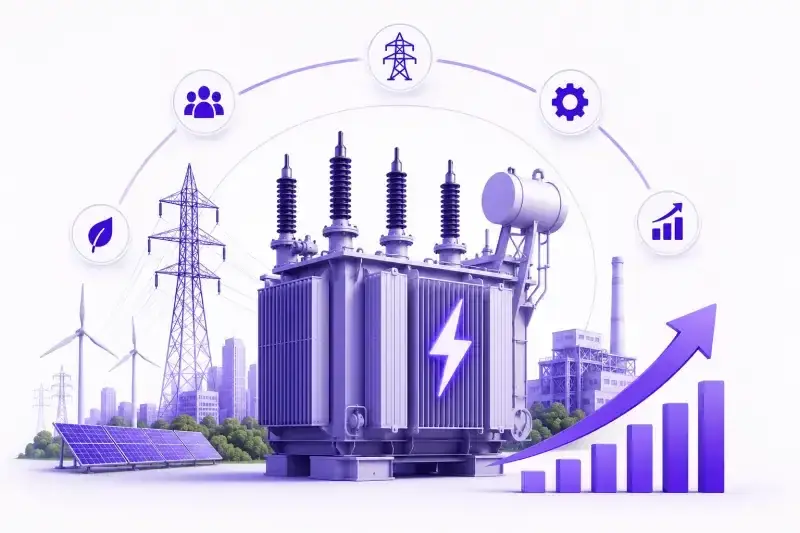
These machines quietly perform one of the most important roles in the entire power ecosystem. They safely increase voltage for long distance transmission and regulate the intensity before electricity reaches businesses and consumers. Without transformers, even the largest power generation projects would remain disconnected from the economy.
India is investing in transmission networks, integrating renewable energy into the national grid, electrifying railways, and building new manufacturing hubs. Transformer manufacturers are becoming increasingly important participants in the country's infrastructure journey.
One company that sits inside this story is Transformers and Rectifiers (India) Ltd. (TRIL).
Let's take an objective look.
“Infrastructure is much more than steel and concrete. It is the foundation upon which economies grow.” — Klaus Schwab
India's Power Revolution: Why Transformer Demand Could Stay Strong for Years
The electricity sector in India is at one of the most critical phases for change in its history. A major constraint for the nation for decades was the need to increase access to electricity for homes and businesses. That is still a critical objective, but now the objective is to develop a more robust, intelligent and resilient power network that will serve one of the world's largest growing major economies.
This transformation is being accelerated by a number of long-term trends.
The first is the speed of industrialization. Investments in the automotive, electronics, semiconductors, defense manufacturing, pharmaceuticals and chemicals sectors in India persist. Many of these industries rely on uninterrupted, high quality electricity to maintain their operations and an outage of even a few minutes can cost them money and cause a production line to come to a standstill, unlike the traditional industries.
The second one is the quick expansion of digital infrastructure. New technology trends, including artificial intelligence, cloud computing, fintech and digital services, are fueling unprecedented investment in hyperscale data centers. The consumption of great electricity power as well as the highly reliable substations and transformer systems needed for uninterrupted operation make these facilities a huge electricity power consumer.
Another key growth factor is renewable energy. India is aiming for high targets for solar and wind capacities, but the projects are frequently away from the main consumption centers. The generation of electricity in deserts or at coastal sites has to be transported over hundreds of kilometers before reaching industries and cities, and to achieve this strong transmission infrastructure is needed, including transformers, as a key component of the clean energy transition.
India's current power grid is being continuously modernized. As electricity demand increases, electricity transmission and distribution systems need to be upgraded to ensure reliability, minimize power losses and handle increasing power flows. Substation, switchgear and transformer investments are now vital to this process.
The railway electrification, metro expansion, industrial corridors, smart cities and the slow transition to electric vehicles are also pushing demand. While EVs are focused on the product, they need more substations and distribution equipment to support the charging stations, generating another demand for transformers.
All these trends indicate that India's power narrative is one that is moving beyond just generating more power. It's about the efficient transmission, distribution and management of that electricity over an expanding economy.
Top Power Sector Stocks in India for 2026
This is a positive industry outlook for transformer companies. But taking advantage of this opportunity is more than just expanding production capacity. The companies that are going to be long-term winners are going to be the ones that have engineering expertise, manufacturing quality, technological capability, execution excellence, and long-term customer relationships.
Why This Industry Has High Barriers to Entry
As it may seem at first glance, producing transformers could be much like producing other industrial equipment. In truth it is one of the more technically challenging areas of the electrical engineering sector.
Large power transformers are highly customized products and not mass products. Every transformer is designed to the customer's requirements and specifications, the voltage, capacity, climate and installation. The engineering and quality control processes for designing these systems are time consuming and require years of experience.
Another major hurdle is testing. Transformers need to be tested extensively before they can be delivered and put to use in the field when operating under demanding conditions without endangering electrical loads. Creating testing facilities for high voltage equipment takes a lot of investment, and it is hard for newcomers to be competitive on that scale.
The level of customer trust is also significant. Transformer failures are not cost-effective for utilities, transmission companies, or industrial customers as they can cause service interruptions to areas or industrial equipment and facilities. This means customers usually have a preference for well-known manufacturers who have past experience in delivering projects, have recognized certifications, and have a strong reputation.
These barriers are further reinforced by approval processes. Power Grid Corporation of India (PGC) and other big utilities and organizations have very stringent requirements for suppliers. These approvals are for years of sustained performance.
This means that the demand for transformers can rise, but there is no automatic increase in new competitors. Existing market leaders still have significant competitive advantages as a result of scale, engineering expertise, manufacturing facilities, test facilities and customer relationships.
It is in this background that Transformers and Rectifiers (India) Ltd. has slowly established its foothold in the last few years.
Understanding the Business
It is essential to know what the company does before analyzing company performance or even future growth potential. Many people are familiar with the term 'transformer', but few actually understand the important role these machines play in the electricity value chain.
Their significance can be understood in relation to a simple analogy.
Think electricity is like water through a massive system of pipes. If water is required to be pumped over hundreds of kilometers, then losses must be minimized by pumping the water at high pressure. Once it gets to the home or factory, however, it must undergo a pressure reduction before it can be safely used. The same applies to electricity. It has not been very efficient over long distances at low voltages due to significant losses in the system. Rather, it is a way of stepping up the voltage before transmission and stepping it down again before it reaches industries, commercial buildings and residential consumers.
If electricity grids didn't have this process, they simply would not work.
This is one reason why there are numerous transformers between a power plant and the end user. One volt of electricity produced at the thermal power station or solar park could go through multiple transformers until it reaches an appliance or machine in a household or industry.
Transformers and Rectifiers (India) Ltd. with its presence in this pivotal segment of the power infrastructure ecosystem, designs, manufactures and supplies various range of transformer solutions to the utilities, industrial customers, renewable energy projects, and infrastructure developers.
Power transformers, used for transporting electric power long distances in transmission networks, make up the largest product category of the company. These are usually located within major substations that are handled by the transmission companies and are crucial in transmitting electricity power over long distances on the national grid.
Another important segment is distribution transformers. They are much closer to the consumer than power transformers, and their energy consumption is much higher. They lower the voltage of electricity to a level which can be used by homes in residential neighborhoods, businesses, hospitals, schools, and industries. Distribution infrastructure must also be continuously invested into as the cities grow, and electricity consumption rises.
In addition to these traditional products the company produces a number of specialty transformer types for industrial use. The steel plants and metal industries require the extremely challenging operating conditions for which the furnace transformers are designed. Rectifier transformers are used in special applications in industries like electro chemicals, aluminium production, railways, etc., where the requirement is for a controlled direct current.
The company also produces customized transformer products that meet the customer's needs. Engineering-based manufacturers have the capability to create application specific equipment, whereas those who only make standardized products do not.
Capital-Intensive Businesses Explained: Risks, Economics, and Investor Insights
It has also a diversified customer base. Products are delivered to the central and state electricity companies, transmission companies, renewable energy generators, engineering procurement and construction (EPC) companies, industrial customers and to selected international markets. This diversification not only means that the company does not rely on a single industry, but that they can also benefit from various infrastructure themes.
The company has been expanding its production capacity and testing facilities at various plants in Gujarat. The facilities are able to produce large and technologically advanced transformers, which now satisfy the ever more demanding requirements of their customers. Reliability is more critical than price in an industry where it is often key, manufacturing quality and engineering are important competitive differentiators.
In addition to product lines, TRIL is slowly making its transition from being a transformer manufacturer to a comprehensive electrical equipment manufacturer. Automation, backward integration, testing equipment and facilities and manufacturing expansion projects are examples of investments made by management that are an attempt to improve the whole value chain and not just production volumes.
When we look at the evolution of the company over the last couple years, this bigger picture is better understood.
“Vision without execution is hallucination.” — Thomas Edison
How the Company Has Quietly Transformed Itself
Transformer production for many years was mainly a volume transaction business and companies bid fiercely for the orders to build their order books, sometimes at the cost of profit. This often led to more narrow margins, increased working capital needs, and increased execution risk..
But, over the last few years, Transformers and Rectifiers (India) Ltd. (TRIL) has moved away from the model. The management has shifted its emphasis from simply expanding production to making the operation more efficient, technologically more advanced and profitable in the long term.
One of the major factors in this change is capacity growth. With the demand for higher capacity transformers, the manufacturer extended its manufacturing base at Changodar and Moraiya. The Company expanded their manufacturing base at Changodar and Moraiya due to the requirement for higher capacity transformers. Such investments will not just enhance production, but also help to boost efficiency, streamline production processes, and facilitate the company's ability to handle more intricate and expansive initiatives.
In addition to manufacturing, TRIL has been bolstering its testing facilities. High voltage transformers are subjected to stringent tests prior to delivery, which can be provided by enhanced testing facilities to ensure high-quality products and to enable greater production volumes and the timely delivery of projects.
Another major strategic initiative has been backward integration. Specific parts and materials like CRGO steel, conductors, radiators, fabrication parts and insulation materials are used in the production of transformers. In order to eliminate the dependence of the supply chain and make the supply chain more cost effective, the company has invested in various stages of the manufacturing value chain such as CRGO processing, conductor manufacturing, fabrication plant, radiator manufacturing and so on. These efforts are supposed to help with quality control, reduce lead times and increase competitiveness in the long run.
This time management has taken a more disciplined stance with order acquisition. Instead of chasing down every contract opportunity, they have started to be more selective by focusing on contracts with more balance and better terms for payment and execution. This approach can help to reduce order inflows in the short term, but can help increase profitability and reduce execution risk in the long term.
Technology is becoming another key differentiator. In FY26, the company won an engineering project for repair of an HVDC transformer for Power Grid Corporation of India, a significant achievement in its engineering capability. The involvement in this part builds technical credibility for the company, and can benefit its future prospects for high-value transmission projects.
All these programs show that TRIL's changes go beyond capacity growth. The company is developing a more integrated, technologically competent and efficient business aimed at competing in the changing power delivery environment in India.
These strategic moves are best manifested in the company's financial performance during FY26, which we will explore next.
“The biggest investment risk is not the volatility of prices, but whether you will suffer a permanent loss of capital.” — Howard Marks
FY26 Performance
FY26 was another milestone year for Transformers and Rectifiers (India) Ltd., with the company reporting record revenue, profitability, and order execution. The improvement was not driven by a single factor but by a combination of higher production, stronger capacity utilization, improved execution, and the benefits of investments made over the past few years.
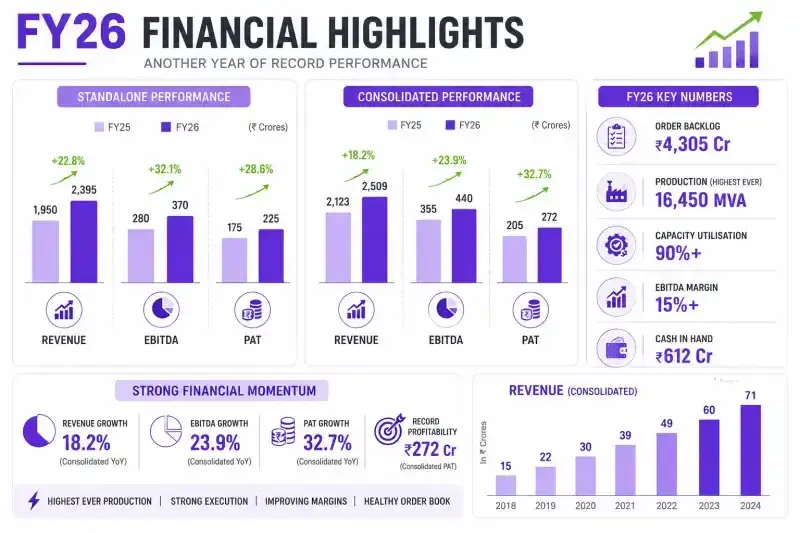
On a standalone basis, revenue increased to approximately ₹2,395 crore, compared with ₹1,950 crore in FY25, representing healthy year-on-year growth. EBITDA rose to around ₹370 crore, while the EBITDA margin remained above 15%, reflecting improved operational efficiency despite fluctuations in raw material prices. Profit after tax also reached a record level of approximately ₹225 crore, continuing the company's strong earnings momentum.
The performance was equally encouraging on a consolidated basis. Revenue grew to approximately ₹2,509 crore, EBITDA crossed ₹440 crore, and profit after tax increased to nearly ₹272 crore, marking another year of record profitability. These results indicate that the company's expansion initiatives are beginning to translate into stronger financial outcomes rather than simply higher production volumes.
Beyond the headline numbers, operational performance also improved significantly during the year. Management reported the highest transformer production and testing volumes in the company's history, supported by improved capacity utilization and smoother project execution. Rather than relying solely on fresh order inflows, the company successfully converted a larger portion of its existing order book into revenue, allowing manufacturing facilities to operate more efficiently.
Another notable feature of FY26 was the improvement in the quality of earnings. Management continued its strategy of selectively bidding for projects with healthier margins and better commercial terms instead of pursuing aggressive volume growth. Combined with ongoing investments in automation, testing infrastructure, and backward integration, this helped strengthen profitability while positioning the business for further margin improvement in the coming years.
Although FY26 reflects another year of strong financial progress, investors should remember that capital goods companies typically experience fluctuations in quarterly performance due to project execution schedules and milestone-based revenue recognition. For that reason, TRIL's progress is better assessed through its multi-year trend of improving revenue, profitability, production capacity, and execution rather than through any single reporting period.
Order Book: The Lifeline of Every Capital Goods Business
Order books are a key development metric for capital goods businesses. It is a measure of customer orders that have been accepted but not fulfilled and provides a view into the company's workload and production pipeline.
This is a very important asset for TRIL. Management had an unexecuted order book exceeding ₹5,000 crore at the end of FY26, which it expects would give it revenue visibility for the next 18 months. The order book covers a range of utilities, transmission projects, industrial customers, and demand for infrastructure, helping to diversify away from any single project or customer segment.
But the fact that there's a large order book doesn't mean it is a certain source of income. In the case of capital goods companies, it's not only about winning orders, it's also about execution. Revenue recognition may be affected by delays in customer approvals, raw material availability, site readiness or project schedules, which may impact working capital.
That's where TRIL's selective order strategy comes in. The management has said that it is not seeking all the deals it can find, but will be focusing on the contracts that offer better margins, healthier payment terms and realistic delivery times. This could help to dampen the flow of new orders in certain periods but, in the long run, may enhance the quality of the orders received and the subsequent profitability of execution.
The most important thing to consider for investors is not only if the order book expands, but how effectively the company is able to turn this order book into revenue, margins and cash flows.
“The future belongs to those who understand where the world is going, not where it has been.” — Ruchir Sharma
Segment-Wise Revenue Analysis: How to Find a Company's True Growth Engine
Growth Drivers: What Could Shape the Company's Next Phase of Growth?
All businesses come to a time when it's not about past achievements, but about future possibilities. Financial results from the past give indication of execution ability, however, the long-term shareholder returns are dependent upon the ability of the company to continue to grow profitably.
Considering the future year of Transformers and Rectifiers (India) Ltd., the industry tailwinds are expected to be strong and the company's strategic moves as well. Some of these are already observed today, others could develop over time as India's power infrastructure grows. The company's growth narrative is not driven by a single catalyst; rather, it seems to offer a variety of independent catalysts that support its long-term growth prospects.
Indian investment in transmission infrastructure will continue to be a major contributor to growth. The world of energy changing in the country is largely about the generation of renewable energy. But producing electricity is only part of the problem; getting the electricity to the country's consumers reliably is the other part. With more renewable energy generation, India needs thousands of kilometers of more transmission lines, substations and grid infrastructure to manage the fluctuating power flows. The transmission infrastructure is even more critical for renewables projects, which are typically situated in geographically distant areas, as opposed to traditional thermal power plants. A number of transformers at various voltage ratings are necessary for every new transmission corridor. This translates to advantages for both electricity generation and government investment in the national grid for transformer makers. High-voltage transformers are expected to have structural demand support as the transmission spending continues and the growth of renewable energy continues. This represents an opportunity for companies like TRIL that go beyond the scope of individual projects.
Why Power Sector Stocks are Booming – Data & Trend Analysis
Capacity Expansion Could Unlock Higher Revenue
Demand alone does not generate revenue.
Manufacturing companies can only convert orders into sales if they possess sufficient production capacity.
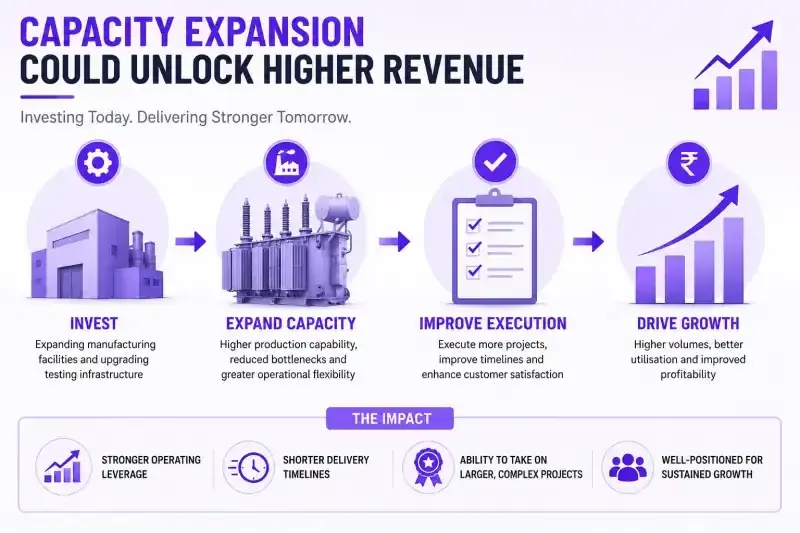
TRIL has invested significantly in expanding its manufacturing through facilities at Changodar and Moraiya while simultaneously upgrading testing infrastructure. These investments are expected to increase production capability over the coming years and reduce bottlenecks during execution.
Capacity expansion also improves operational flexibility. Larger facilities enable manufacturers to execute multiple large projects simultaneously, accommodate more complex transformer specifications, and shorten delivery timelines for customers.
Importantly, higher production volumes may also improve operating leverage. Many manufacturing costs remain relatively fixed regardless of production output. As factories operate closer to full utilization, fixed expenses are spread across a larger number of units, potentially supporting better profitability.
Expanding capacity only creates value if customer demand remains strong. The company's sizable order book provides reasonable visibility regarding near-term production requirements.
Backward Integration Could Strengthen Margins
One of management's most ambitious long-term initiatives involves backward integration.
Instead of depending entirely on external suppliers for critical components, the company has been building internal capabilities across several stages of transformer manufacturing. This includes CRGO processing, conductor manufacturing, fabrication facilities, radiator production, and other specialized components.
While this strategy requires high upfront investment, its long-term benefits can be significant.
Manufacturing key components is that it internally provides greater control over quality standards while reducing dependence on external suppliers whose pricing and delivery schedules may fluctuate.
Perhaps most importantly, successful backward integration can gradually improve operating margins. Management has indicated that these initiatives could contribute additional margin expansion as facilities become fully operational, although actual results will depend on utilization levels and execution efficiency..
Rather than viewing backward integration simply as a cost-saving exercise, it may be more appropriate to see it as an investment in long-term competitiveness.
Technological Advancement Opens New Opportunities
The power infrastructure is constantly changing as demand for electricity rises.
The transmission network needs to be equipped with increasingly complex equipment, with higher voltage, larger capacity, and more complex operating environment. Frequently upgrading their engineering skills will be beneficial for companies to get involved in these higher-value projects.
During FY26, management noted the company's involvement in the repair project for HVDC transformer for Power Grid Corporation of India as one of the milestones. Although the amount of money that this project brings in might not be a huge amount, the strategic value is in different aspects.
HVDC is one of the latest and most advanced segments in power transmission, specifically for long-distance power transmission with minimal losses. The ability to execute projects in this segment effectively builds engineering credibility and can boost customer confidence in the future for higher-value projects.
With the advancement of the transmission network, technology capability may be a decisive factor even more than before in the future.
Diversified End Markets Reduce Dependence on a Single Sector
Another strength of the business lies in the diversity of industries driving transformer demand.
Unlike companies dependent on a single customer category, TRIL participates across multiple infrastructure segments.
Electricity utilities continue expanding transmission and distribution networks.
Renewable energy developers require transformers for integrating solar and wind capacity into the national grid.\
Industrial customers invest in substations as manufacturing capacity expands.
Railway electrification requires specialized electrical infrastructure.
Data centers demand highly reliable power systems capable of supporting continuous operations.
Even export opportunities remain available as countries modernize their electricity infrastructure.
Because these demand drivers originate from different sectors, weakness in one area may be partially offset by strength elsewhere. This diversification does not eliminate business risk, but it can reduce dependence on any single investment cycle.
Where Does TRIL Stand Within India's Transformer Industry?
But there is much more to know about TRIL's competitive position than just numbers. Entry barriers in the transformer industry are relatively high as customers prefer engineering skills, testing facilities, manufacturing capability, approvals by the utilities and quality in execution. Large utilities and industrial customers often have specific requirements for suppliers that have demonstrated reliability, as transformer issues can cause power outages in important facilities.
In this sector, TRIL has reinforced its presence with the expansion of its capacities, developing its test capabilities, and making backward integrations and diversifying its customer base. It has a larger manufacturing share, enabling it to take part in more complex projects, and investments in testing facilities enable quality assurance and timely project completion. By implementing backward integration it may also increase the competitiveness of the cost and decrease the dependence with external suppliers over time.
Meanwhile, the industry is still execution orientated. Winning orders plays an important role, but so do timely order delivery, product quality, working capital and constant engineering investments. The selective order acceptance implies that TRIL is striving to create a better business model which is not solely one of revenue growth but rather one of profit generation through execution. This isn't a death sentence on industry risks, but it does show that there's a push to create value that's more than just size.
Risks Investors Should Not Ignore
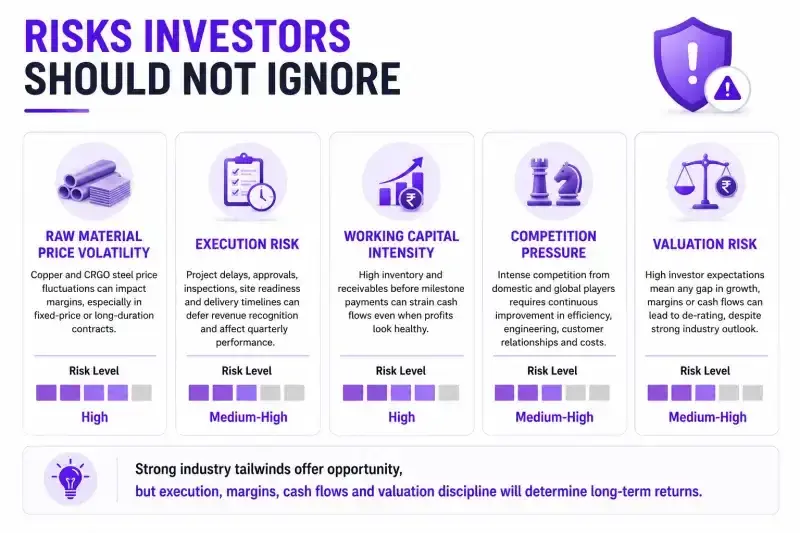
The long-term prospects for the transformer industry are good, but investors are not free from the risks. One of the biggest problems is the volatility of raw materials. The cost of copper and CRGO steel is an important component of the transformer manufacturing cost and can be a margin killer if prices change all too rapidly, particularly where contracts are fixed or have extended execution periods.
Execution risk is another important factor. For large-scale infrastructure projects, customer approvals, inspections, readiness for the site, and delivery timelines are the aspects that are involved. The revenue recognition can change in a delay, regardless of whether there is a strong demand, and it can impact the quarterly performance.
Close attention must be paid to working capital as well. Capital goods companies tend to carry a lot of inventory before they get milestone payments from customers. Even in the presence of accounting profits, cash flows may be strained because of increases in receivables.
Competition is another threat and since both domestic and international firms are gearing up to grab India's transmission opportunity, competition is intense. On-going improvements in manufacturing efficiency, engineering skills, customer relationship and cost competitiveness will be needed to sustain growth.
Last, but not least, valuation risk is important. Interest from investors can be let down by even the most promising businesses in the most promising industries. The performance of TRIL will not only be driven by the growth of the industry, but also by execution, margins, cash flows and investors willingness to pay for the growth.
“Know what you own, and know why you own it.” — Peter Lynch
What Is an Investment Philosophy? Why Every Serious Investor Needs One
Explore our Products
Research Framework

Emerging Titans
Combination of quantitative analysis, industry tailwinds, and management assessment - SPRINT investment philosophy

Tiny Titans
Heavy emphasis on scuttlebutt research, plant visits, and early on-ground signals
Conclusion
Electricity consumption is a major area of change in India's energy landscape. Long-term opportunities for businesses in the power equipment industry are being created by the integration of renewable energy, expansion of transmission networks, growth in manufacturing, railway electrification, the development of digital infrastructure, and an increase in electricity demand from industry.
Transformers and Rectifiers (India) Ltd. has been getting ready for this climate for the last few years. The company is expanding production, integrating backwards, optimizing operations, driving technological advancement, and narrowing its order book, all of which reinforce the company's operational position and contribute to a larger order book in the sector.
Opportunities exist in a favorable industry context, but one needs to stick to the game to create value for the shareholders. Ultimately, whether the company is able to deliver profitable revenues from its order book, to sustain attractive margins in the face of commodity price changes, generate better cash, meet greater manufacturing demand efficiently, and remain competitive will be critical to the company's long-term performance.
The TRIL is not just another beneficiary of development in India's infrastructure sector but can be thought of as a business that is at the nexus of multiple structural growth themes. If those opportunities can be converted into long-term investor returns that rely on much more than industry growth, it will require management to execute with discipline, to be financially prudent and sustain competitive advantages over time.
Looking beyond the headlines? Explore more objective, research-backed company analyses to make better-informed investment decisions. Comment investment
FAQs
Why is India's power transmission sector expected to grow?
+India's electricity demand is rising due to rapid industrialization, renewable energy expansion, data centers, railway electrification, electric vehicles, and urban development. As a result, the country needs significant investments in transmission lines, substations, and transformers to strengthen its power infrastructure, creating long-term opportunities for companies operating in this sector.
What does a transformer manufacturing company actually do?
+A transformer manufacturing company designs and produces electrical transformers that help transmit and distribute electricity safely and efficiently. These transformers are used by power utilities, renewable energy projects, industrial facilities, railways, and infrastructure developers to regulate voltage levels across the electricity grid.
What are the biggest risks in the transformer manufacturing business?
+Some of the key risks include fluctuations in copper and CRGO steel prices, project execution delays, working capital requirements, increasing competition, policy changes, and delays in infrastructure spending. These factors can affect profitability and overall business performance.
What is backward integration, and why does it matter?
+Backward integration refers to manufacturing critical components in-house instead of sourcing them entirely from third-party suppliers. This can improve quality control, reduce supply chain risks, shorten lead times, and potentially support better operating margins over the long term.
What should investors evaluate before investing in an infrastructure company?
+Beyond industry growth, investors should assess the company's competitive advantages, execution track record, financial health, order book quality, cash flow generation, capital allocation, and valuation. A favorable industry backdrop creates opportunities, but long-term returns ultimately depend on consistent execution and disciplined management.

High growth stock specialist, Value Educator
Shashank Mahajan is an equity research professional with over 12 years of experience in identifying high-potential SME and micro-cap stocks at an early stage. He follows a rigorous scuttlebutt research–driven approach, combining on-ground insights with deep financial analysis. Shashank specializes in uncovering under-researched and under-owned companies with strong management quality and long-term growth potential. Through disciplined research and early identification, he focuses on spotting tomorrow’s market leaders before they enter the mainstream investor radar.
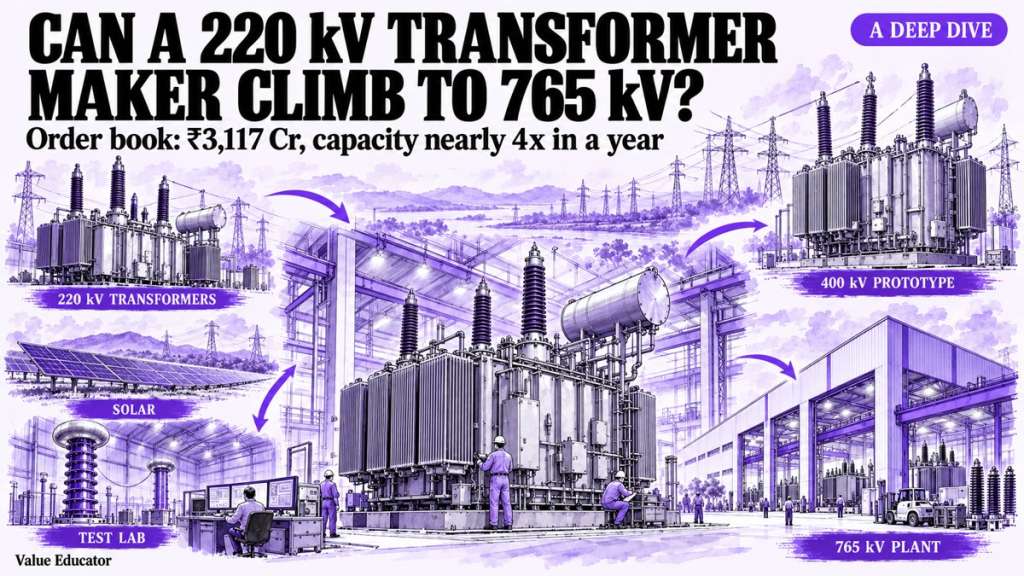
Atlanta Electricals: Capacity Nearly Quadrupled in a Year
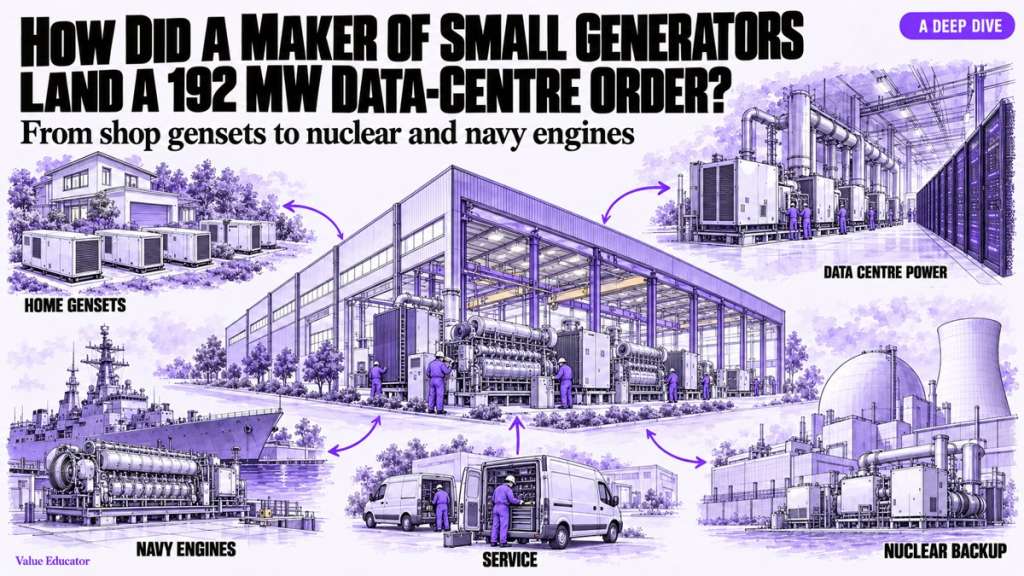
Kirloskar Oil Engines: Data Centres, Nuclear and the Navy
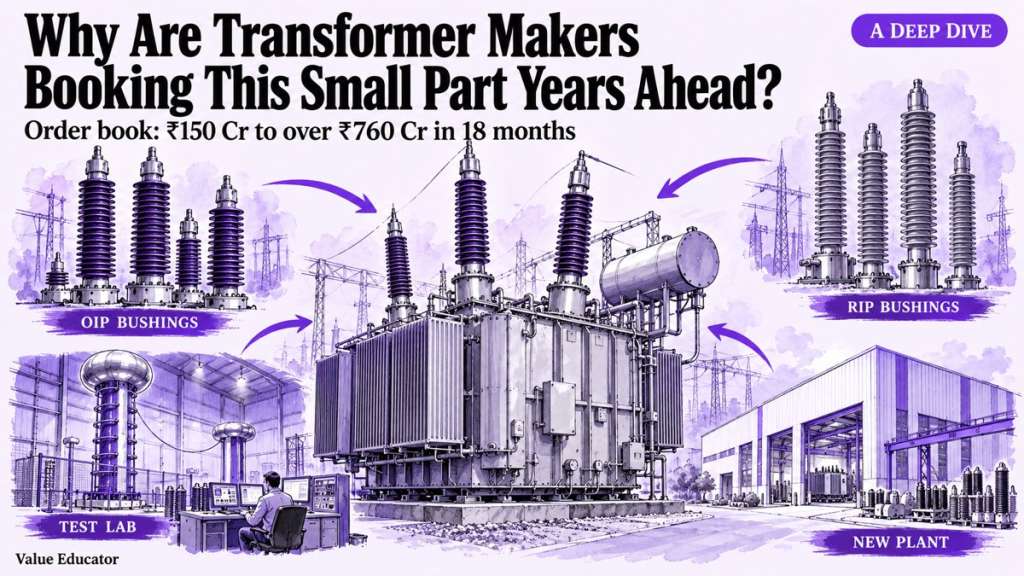
Yash Highvoltage: Bushing Maker With ₹760 Cr of Orders
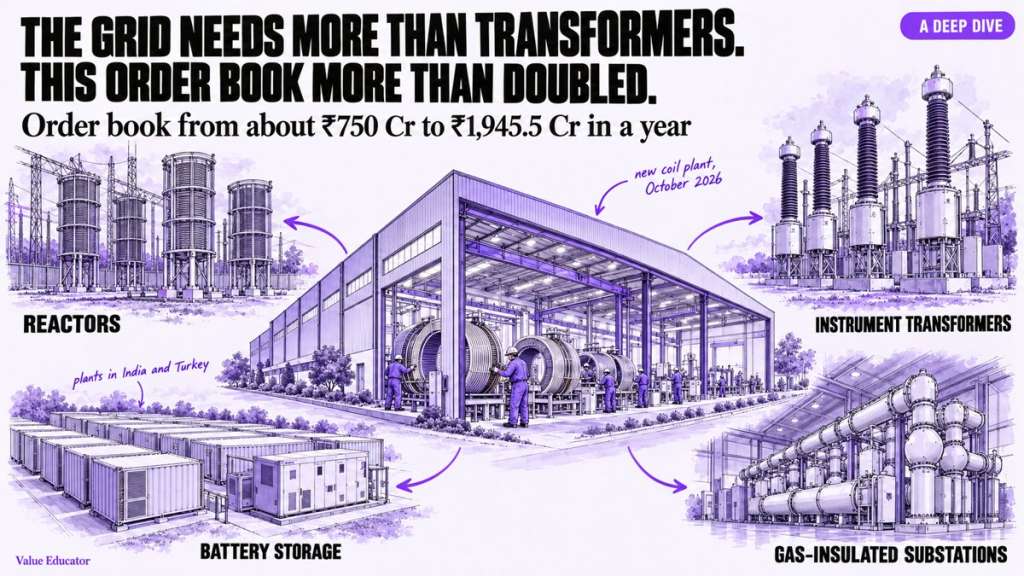
Quality Power: Reactor Maker With a ₹1,945.5 Cr Order Book
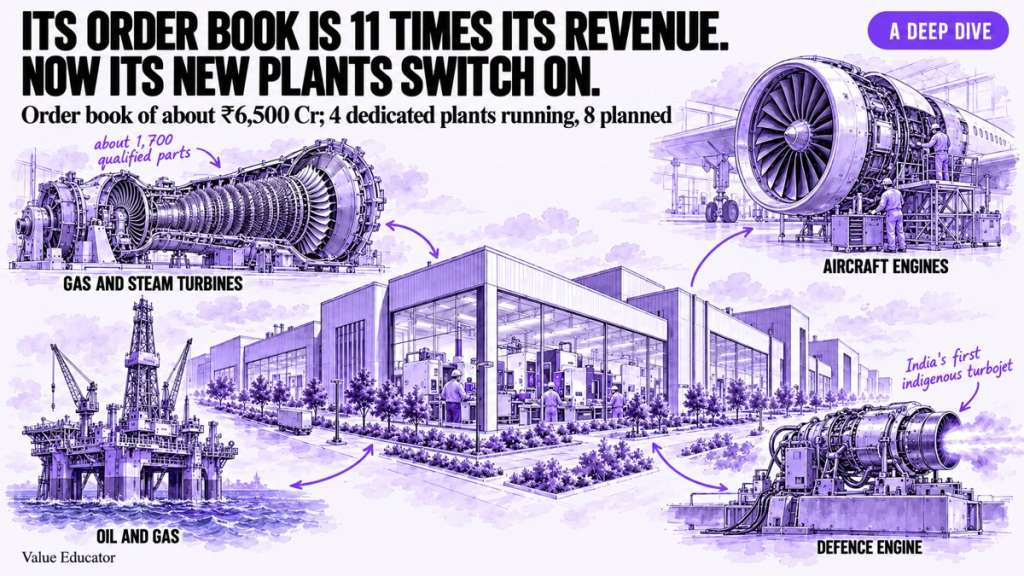
Azad Engineering: Turbine Blades, Jet Engines and Orders
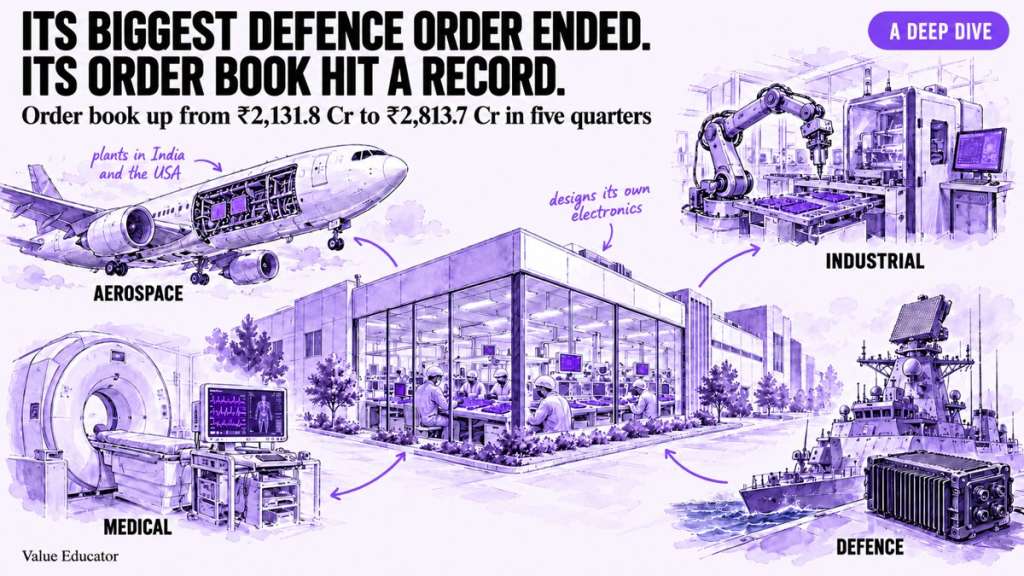
Cyient DLM: Aircraft Electronics and a Record Order Book
Explore our Products
Research Framework
Emerging Titans
Combination of quantitative analysis, industry tailwinds, and management assessment - SPRINT investment philosophy
Tiny Titans
Heavy emphasis on scuttlebutt research, plant visits, and early on-ground signals



Modern Warfare to Multibaggers
Key Trends. Strategic Shifts. Opportunities Ahead.
Don't Miss This Exclusive Webinar!
Join Value Educator to decode the key trends shaping India's defence sector and learn how to identify tomorrow's potential leaders in the space.
- In-depth research on India's defence sector
- Live Q&A session
- Actionable takeaways for long-term investors

 Orders
 Subscription
 Share with friends


Required Details
₹23999.00
(12 month subscription)
As per SEBI regulations, all users are mandated to complete the KYC that is validated for 1 year. Post payment, you will be redirected to the KYC screen


No comments yet. Be the first to comment!