
High Promoter Holding: What It Signals

Is a high promoter holding a good sign for investors?
When promoters own a large part of their company, it naturally raises an important question: what does this really reveal about the business?
Does it signal deep confidence in future growth, or simply the desire to maintain control? And how should small investors interpret this ownership structure?
High promoter ownership can indicate strong alignment between founders and shareholders. But it can also raise questions about liquidity, governance, and transparency.
The percentage alone does not tell the full story.
In this article, we take a closer look at some Indian companies where promoters hold significant stakes and explore what this signal really means for investors.
1) P N Gadgil Jewellers Ltd
PNG Jewellers is a well-known brand in India, having a legacy of nearly 193 years of history behind it. It has a wide retail presence in many cities, primarily dealing in gold and studded jewelry. The brand has managed to carve out a strong position in the organized segment by virtue of its rich heritage, transparency, and the trust it has earned over the years from customers.
This is a company that operates in a space that is a significant contributor to the economy in India. The jewelry industry contributes around 7% to the overall GDP and around 15.7% to the total exports from the country. The government is planning to take the exports in the jewelry space to $100 billion by the year 2027, and that is a clear indicator that this is a space that is going to be important in the future. There are around 10 million weddings that happen every year in India, so the demand for gold is always there in a sense.
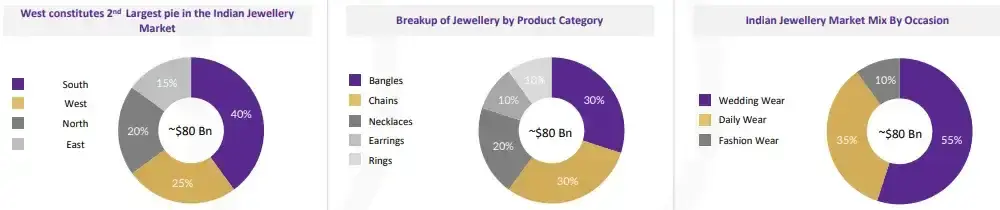
Gold jewellery continues to dominate the market, and this company benefits from that trend. Mandatory BIS hallmarking, which means certified purity of gold, gives an advantage to organised players. Currently, only around 30 percent of gold jewellery is hallmarked, which creates more opportunity for trusted brands. Being one of India’s oldest and most trusted jewellery brands, the company has built its name on heritage and transparency.
The company has a strong physical presence, with 66 stores in 33 cities. It operates over 2 lakh square feet of retail space and has more than 2,700 employees. The brand has been in existence for almost 193 years and has the sixth generation of the promoter family in charge, which helps to establish trust with the customers.
If we look at the latest numbers, in Q3 FY26, the company reported a revenue of ₹3,302 crore, up 35.6% from last year’s numbers. The company reported a net profit of ₹170.9 crore in the latest quarter, up 99% from the same period last year. Despite the sharp increase in gold prices, the company reported strong customer demand during the festive and wedding seasons. The company reported a high conversion rate of 94%, indicating that almost all the people who visited the store bought something.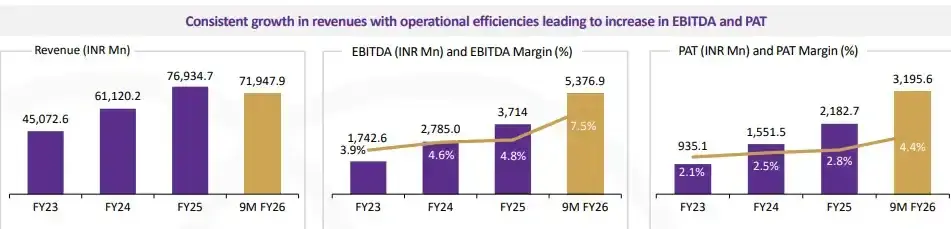
In the first nine months of FY26, revenue was ₹7,194.8 crore, and net profit was above ₹319.6 crore. EBITDA margin is around 7.5%, which means that for every 100 earned before interest and taxes, the company keeps 7.50. The management is confident that a margin of 7 to 7.25% can be sustained in the long run. They are also confident that profit margins will remain around 4%.
Retail is the key contributor to growth for the company, contributing almost 77% to overall sales. Online sales have grown by more than 125%. Online sales are profitable and do not affect margins. Many customers are browsing online but want to buy in stores.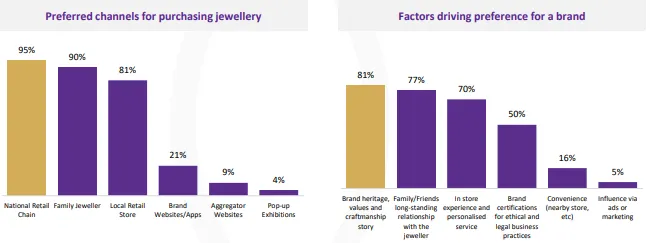
Store productivity remains healthy. The same store sales were up 33 percent, which means existing stores were selling much more than last year. The inventory was turned over 3.2 times, meaning it was sold and replaced over three times in one year. Management described this as a healthy level.
If you are interested to know about penny stocks and understand how they work then read our article: What are penny stocks? The complete beginners guide pros & cons
The company is expanding steadily. It plans to reach around 78 to 80 stores by March 2026 and around 105 stores by March 2027. About half of the new stores will be LiteStyle, a newer format focused on lighter and more fashion-oriented jewellery. LiteStyle stores require much lower investment compared to regular stores, which supports faster expansion.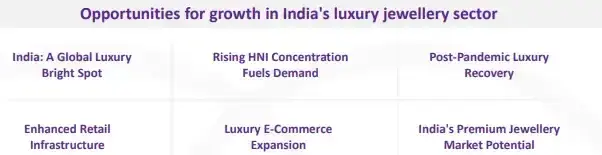
Management clearly stated that margin improvement is not due to gold price gains because they are fully hedged. Hedging simply means protecting the business from sudden price changes in gold. They earn mainly through making charges, which are the service charges added to jewellery. This helps protect margins even if gold prices fall.
In all aspects, the company has good support from the promoters, good growth, increasing profits, and good guidance on margins. In terms of demand, the wedding season, festivals, and cultural factors are positives. With the increase in organized retailing and the mandatory hallmarking of the industry, brands will do well. The focus is on good execution, sustaining the momentum of growth, and exploring new markets.
To become more accurate at trading and investing, read our article on: Common Mistakes Every Small-Cap Investor Makes (And How to Avoid Them).
2) Atlanta Electric
Atlanta Electricals Limited is an Indian company specializing in the manufacturing of power, auto, and inverter duty transformers. It is one of the few Indian companies that can design and manufacture transformers up to 220 kV and 200 MVA. By March 2025, it will have supplied over 4,400 transformers across 19 states and 3 union territories, including renewable and private sector clients.
This quarter marks a turning point for Atlanta Electric. After nearly 18 months of heavy investment, manufacturing capacity has increased from 16,000 MVA to 63,000 MVA, almost four times higher, and has 5 manufacturing facilities. MVA simply means the production capacity of transformers. Q3 was the first full quarter where this expanded capacity was clearly reflected in revenue.
The company has also moved towards higher voltage transformers, from 33 kV up to 765 kV. Higher voltage means bigger and more complex transformers used in large power transmission projects.
Management says these products usually earn better margins because fewer companies can manufacture them. This reduces competition and increases profit.
In Q3 FY26, revenue was ₹472 crore, an increase of 80 percent over last year. EBITDA was ₹91 crore, with a margin of 19.4 percent. EBITDA margin means the operating profit before interest and tax, shown as a percentage of revenue. Net profit for the quarter was ₹43 crore, up 95 percent year on year.
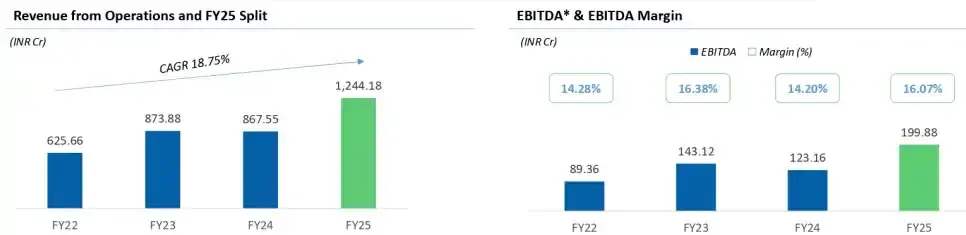
For the first nine months of FY26, revenue reached ₹1,104 crore with net profit of around ₹100 crore. EBITDA margin for this period was 17.7 percent. Management believes current margins are fair and sustainable. They also said that for large transformers, raw material price changes are passed on to customers, which protects margins.
Curious about what market cap actually means when it comes to stocks? Read our article on: What is Market Capitalization? Large, Mid, Small Cap Explained with Examples
The order book stood at ₹2,451 crore, the highest ever for the company. Order book means confirmed orders yet to be delivered. Q3 order intake alone was ₹796 crore, and the company sees a strong pipeline of nearly ₹10,000 crore. Management expects the current order book to be executed over the next one and a half years.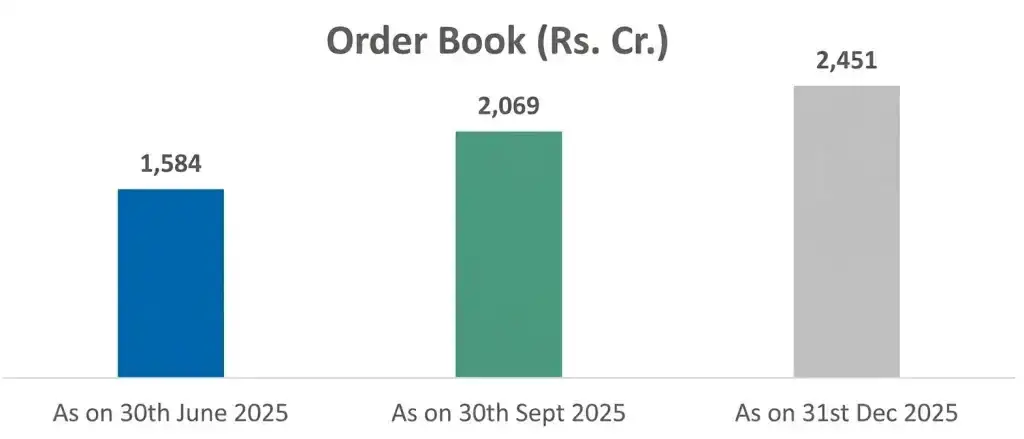
New facilities are also starting to contribute. The Vadodara plant contributed about one-third of Q3 revenue and is currently running at around 30 percent capacity. A new unit capable of 765 kV transformers has also begun operations. The focus now is not on expansion, but on increasing utilisation of existing capacity.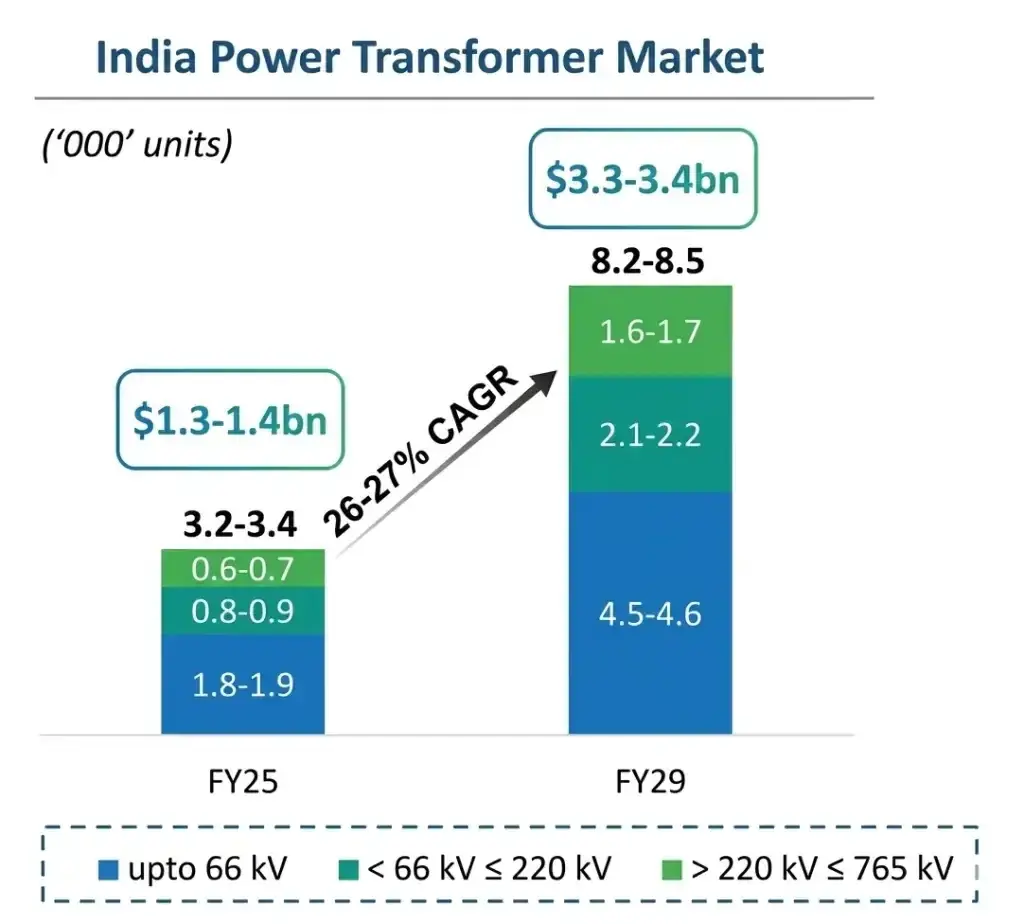
Debt currently stands at around ₹186 crore, but management plans to repay ₹65 crore of long-term debt within this year. Finance costs are expected to reduce from next quarter. Employee costs have increased due to new hiring for expanded facilities. However, management believes higher production will support better profitability going forward.
Curious to find what debt signifies for a company and how it can impact your long term returns? Read our article: What is Debt to Equity Ratio? Why it Matters for Small Cap Investing.
As can be seen, this quarter proves that the investments made previously are starting to pay off for the financials, as revenues are increasing, margins are improving, and the order book is robust. The focus remains on maintaining 40 percent revenue growth. The key focus is on the execution of plans, obtaining approvals, and completing the large high-voltage projects.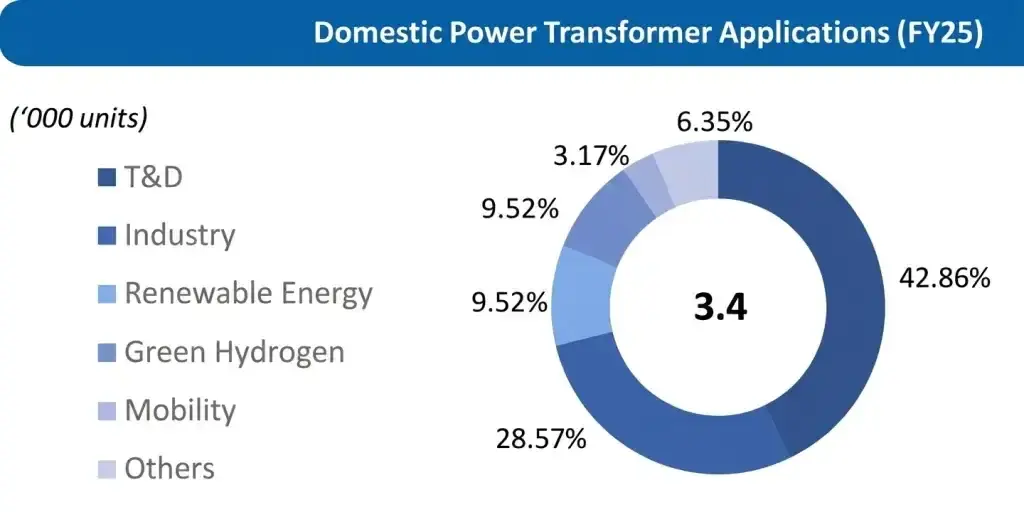
As far as the company and the transformer industry are concerned, they have a bright outlook for the future. India has plans to invest heavily in power transmission to support renewable energy and to address the issues in the grid. As more and more solar and wind power capacities come up, the need for high-voltage transformers will continue to rise. The company has a strong order book, and it has already entered the high voltage segment, so it has a bright outlook in the future.
3) Aether Industries Ltd
Aether Industries is a company that deals in special chemicals, and their products are used in pharma, agrochemicals, oil and gas, and material science. The company’s products include 4-(2-Methoxyethyl) Phenol, 3-Methoxy-2-Methylbenzoyl chloride, Thiophene-2-Ethanol, Ortho Tolyl Benzonitrile, N-Octyl-D-Glucamine, Delta-Valerolactone, and Bifenthrin Alcohol. The company deals in niche products, and they are in high demand. The company is the only one in India manufacturing these products.
The company is on the verge of a new journey, and they have a big capacity expansion project ready to commence soon. Site 3++ and the first two blocks of Site 5 are complete, and commercial production will commence soon.
This implies that the company has completed its high investment phase, and now it will concentrate on utilizing its capacities. Management expects healthy utilisation levels in the first full year itself, which supports revenue growth visibility.
The revenue mix is gradually becoming stronger and more diversified. Earlier, pharma and agro were dominant, but oil and gas and material science are now meaningful contributors. This reduces dependence on one or two industries. The company is also clearly moving towards CRAMS and CEM, which are long-term contract manufacturing businesses where customers rely on Aether as a strategic partner.
The company has also demonstrated strong financial growth. The revenue in Q3 FY26 was at ₹3,171 million, growing by 44% over the previous year's corresponding quarter. EBITDA rose by 75%, reaching ₹1,083 million, with EBITDA margins also rising to 34%. EBITDA margin is the operating profit as a percentage of revenue. The net profit was at ₹645 million, growing by 49% over the previous year, with a profit margin of 20%.
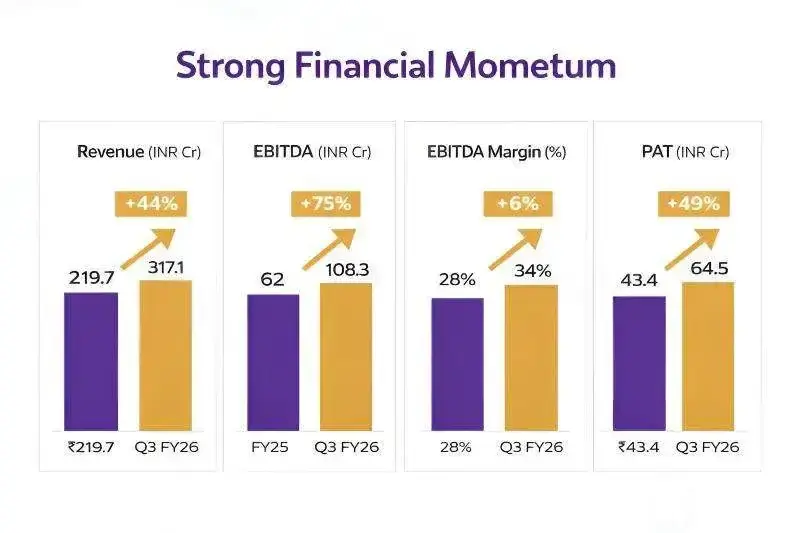
In the first nine months of FY26, revenue grew by 43 percent to reach ₹8,534 million, while EBITDA grew by 75 percent to reach ₹2,716 million, and net profits grew by 53 percent to reach ₹1,655 million. PAT margins remain robust at 19 percent.
The Large Scale Manufacturing segment continues to grow with increasing volumes and stable prices. The strategic partnerships with global companies such as Baker Hughes on multiple products are increasing. Being the sole supplier, customers exclusively depend on Aether for those particular products.
Passionate about defence sector and planning to invest ? Read Our article on: How to Invest in Defence Stocks to upgrade your understanding.
One of the major opportunities is the large-scale manufacturing of outsourced products for the world.
Management commentary: The management has stated that chemical manufacturers in Europe are facing shutdowns, so they are looking for partners in India, which can be a significant opportunity for the company over the next couple of years, as more international companies outsource their manufacturing.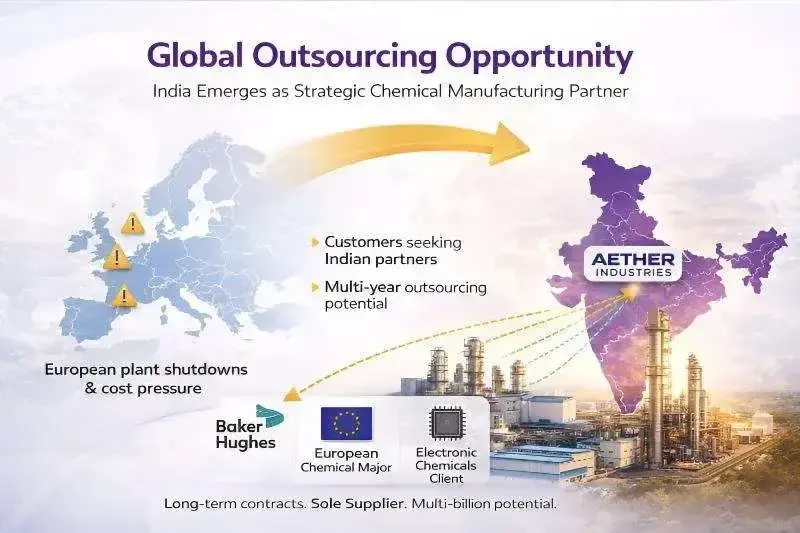
The company is expanding into new spaces like electronic chemicals for semiconductors and high-performance materials. It is an advanced use of technology in various fields, such as data centers and electronic devices. It is still in an early stage, but it is opening doors to even more lucrative businesses.
The EBITDA margins are high for now but are expected to normalize to a range of 29 to 30 percent. Working capital is high because of inventory build-up and businesses providing competitive credit terms. However, the move to CRAMS and CEM is a good sign for working capital in the long run.
In terms of growth, Aether Industries is in a good space for long-term growth. New capacities, stronger global partnerships, and increased outsourcing demands are all good signs for long-term growth. With increased utilization rates in the coming years, the company is in a good space for long-term growth. However, execution is key for long-term growth.
Explore our Products
Research Framework

Emerging Titans
Combination of quantitative analysis, industry tailwinds, and management assessment - SPRINT investment philosophy

Tiny Titans
Heavy emphasis on scuttlebutt research, plant visits, and early on-ground signals
Conclusion & CTA
High promoter holding feels reassuring. It tells us the promoters believe in their own business and are willing to stay invested for the long term. But let’s be clear. High promoter holding by itself does not guarantee multibagger returns.What really creates wealth is conviction backed by research. When strong promoter commitment is combined with solid financial growth, improving margins, sector opportunities, and a clear future roadmap like we analysed, the chances of long term value creation become stronger.
Ultimately, you should invest in what you feel comfortable with in terms of risk and what you feel comfortable with in terms of financial goals. If you feel comfortable investing in these companies, then you should go ahead and buy stocks in these companies. If you need help in figuring out what really fits your portfolio, you can always contact us.
If this analysis helped you understand high promoter holding stocks in a better way, comment “PROMOTER” below.
If it shifted your perspective even slightly, share this with someone who is learning equity research. And tell us which company you personally have the strongest conviction in.
FAQs
What is EBITDA?
+EBITDA simply refers to the earnings a company generates from its business before accounting for interest on loans, taxes, and non-cash charges like depreciation and amortization. It gives investors a clearer idea of how the company’s core operations are performing.
What is operating profit, and why is it important?
+Operating profit is the profit a company earns from its main business after covering its regular day-to-day expenses. It is important because it shows how efficiently the business itself is being run
What does EBITDA margin indicate?
+EBITDA margin shows how much operating income a company can generate from its total revenue. In simple terms, it tells investors how profitable the company’s core business is relative to its sales.
Why should investors know about the industry before investing?
+A company’s future depends on the industry it operates in. Some industries may be doing very well due to the increasing demand for their products, while some may be doing less than expected.
Is a high promoter holding sufficient reason for investing?
+High promoter holding is always a good sign for investors, as it indicates that the promoter believes in their company, but it is not a sufficient reason for investing.

High growth stock specialist, Value Educator
Shashank Mahajan is an equity research professional with over 12 years of experience in identifying high-potential SME and micro-cap stocks at an early stage. He follows a rigorous scuttlebutt research–driven approach, combining on-ground insights with deep financial analysis. Shashank specializes in uncovering under-researched and under-owned companies with strong management quality and long-term growth potential. Through disciplined research and early identification, he focuses on spotting tomorrow’s market leaders before they enter the mainstream investor radar.
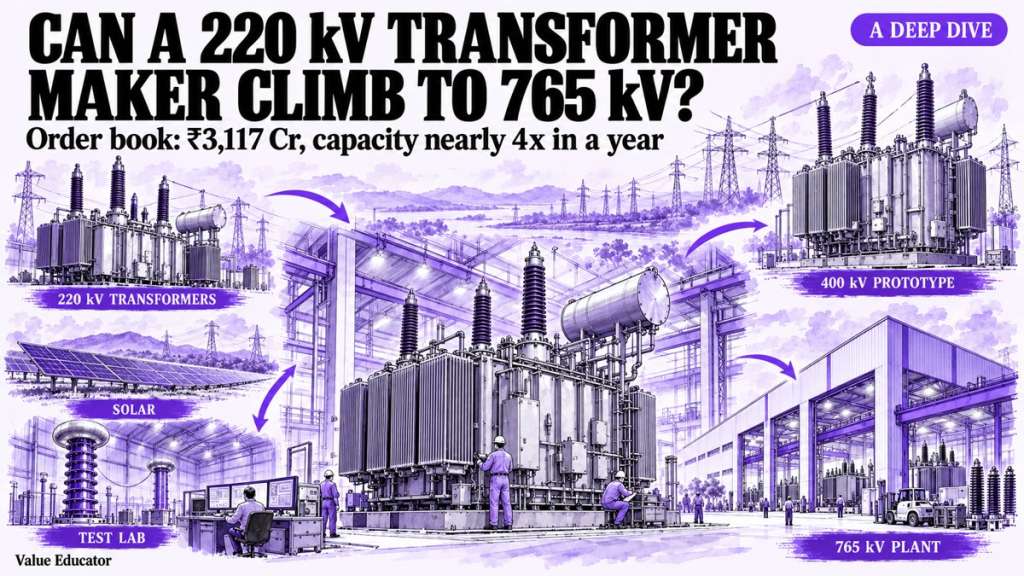
Atlanta Electricals: Capacity Nearly Quadrupled in a Year
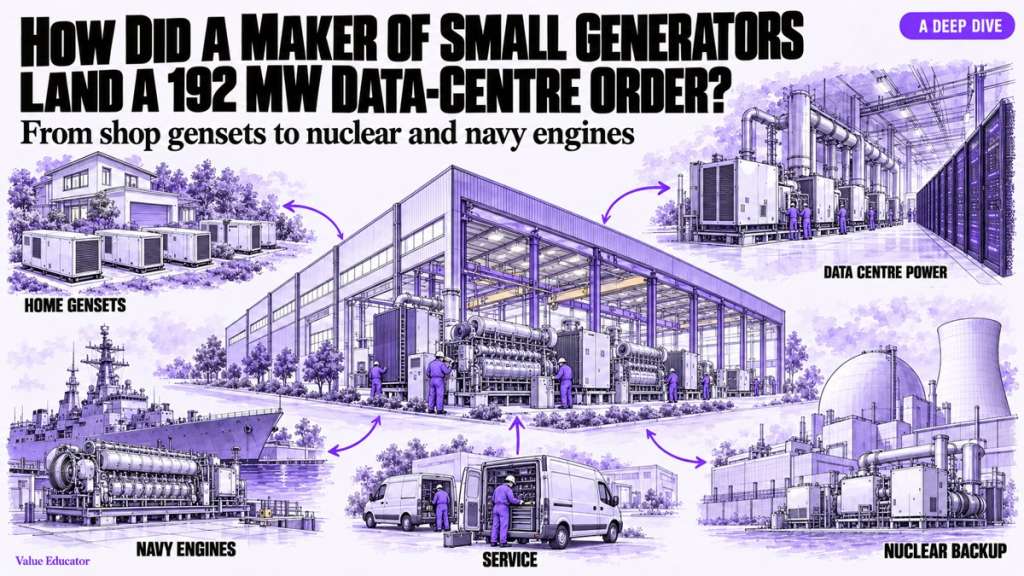
Kirloskar Oil Engines: Data Centres, Nuclear and the Navy
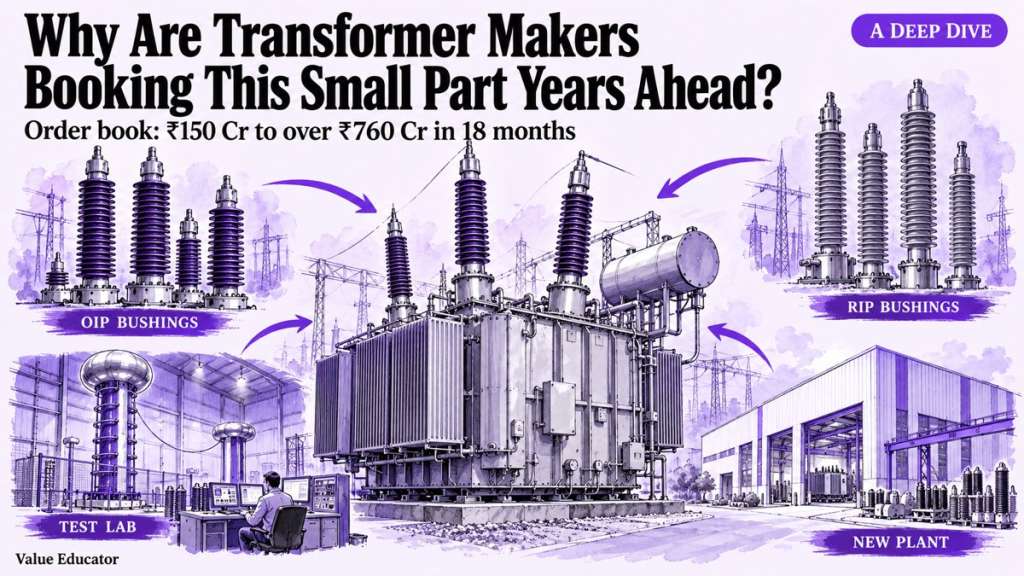
Yash Highvoltage: Bushing Maker With ₹760 Cr of Orders
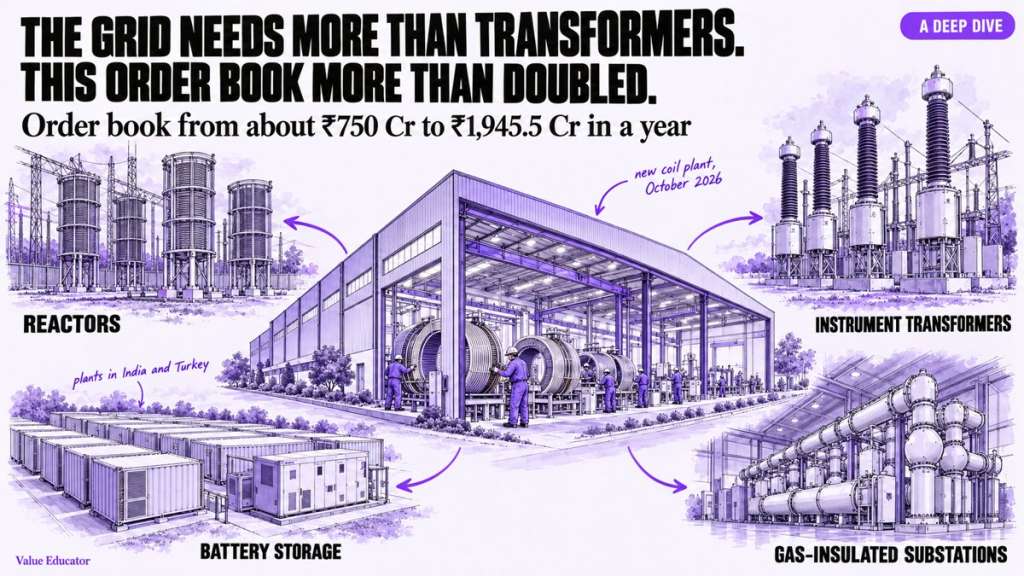
Quality Power: Reactor Maker With a ₹1,945.5 Cr Order Book
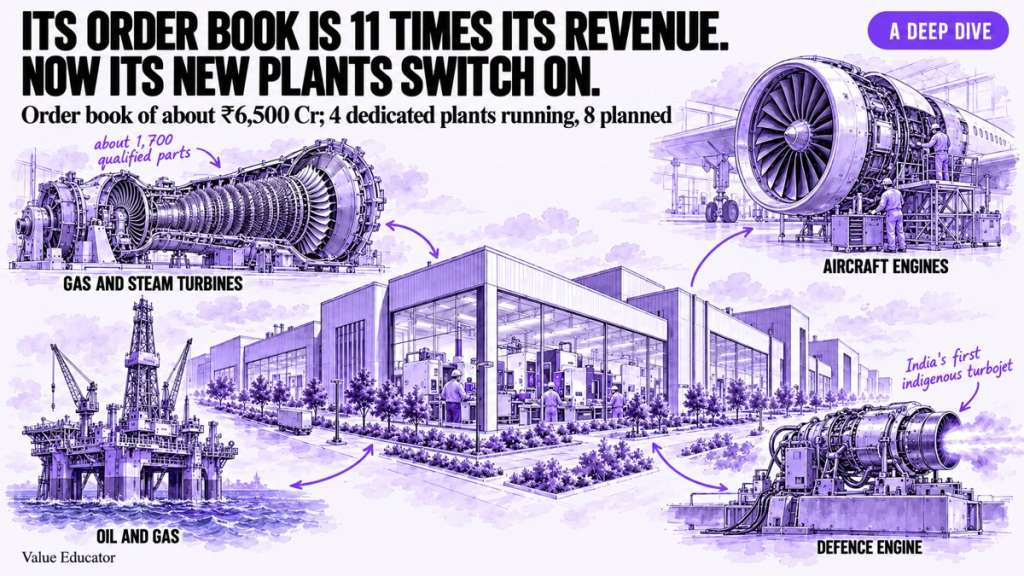
Azad Engineering: Turbine Blades, Jet Engines and Orders
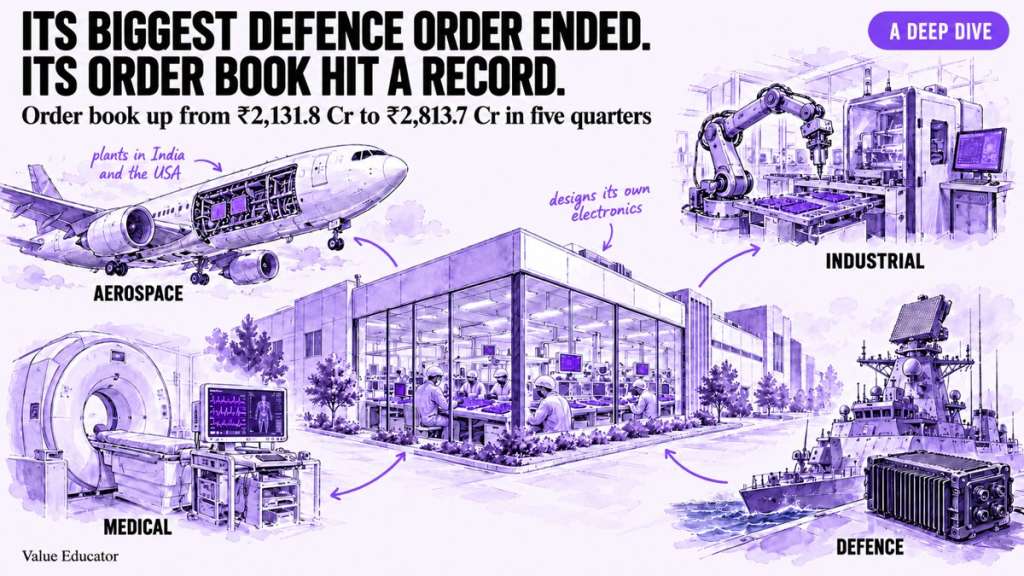
Cyient DLM: Aircraft Electronics and a Record Order Book
Explore our Products
Research Framework
Emerging Titans
Combination of quantitative analysis, industry tailwinds, and management assessment - SPRINT investment philosophy
Tiny Titans
Heavy emphasis on scuttlebutt research, plant visits, and early on-ground signals



Modern Warfare to Multibaggers
Key Trends. Strategic Shifts. Opportunities Ahead.
Don't Miss This Exclusive Webinar!
Join Value Educator to decode the key trends shaping India's defence sector and learn how to identify tomorrow's potential leaders in the space.
- In-depth research on India's defence sector
- Live Q&A session
- Actionable takeaways for long-term investors

 Orders
 Subscription
 Share with friends


Required Details
₹23999.00
(12 month subscription)
As per SEBI regulations, all users are mandated to complete the KYC that is validated for 1 year. Post payment, you will be redirected to the KYC screen


No comments yet. Be the first to comment!