
Ethos: Riding India's Luxury Watch Boom
You probably know someone who suddenly got obsessed with watches. One day, they’re just checking the time on their phone. Next, they’re talking your ear off about Swiss movements, limited editions, and how some watches have a five-year waiting list.
You’ve probably scrolled past a celebrity flashing a watch on Instagram, one that costs more than most houses. At first, it feels wild. Who actually pays that much just to know the time? But hang around watch collectors for a bit, and something clicks. For them, luxury watches aren’t just about showing off. These pieces carry status, sure, but they’re also prized collectibles. Sometimes, they even turn out to be smart investments.

Some models go up in value. Limited editions trade hands like rare artwork. And a few watches sell for way more than their original price on the resale market.
“Price is what you pay. Value is what you get.” - Warren Buffett
Now, with more wealthy people in India, this whole world of watch collecting is quietly growing here too. Walk into a fancy mall, and you’ll spot boutique watch stores displaying pieces worth several lakhs or even crores. And the people inside? They’re not just window shopping. They’re serious.
Most folks outside the watch community don’t realize it, but there’s one company behind a lot of these boutiques: Ethos Limited.
Over the past twenty years, Ethos has quietly built India’s biggest network of luxury watch boutiques. They’ve partnered with some of the world’s top watch brands and put themselves right at the heart of a luxury market in India that’s just starting to take off.
The Industry: India’s Luxury Watch Market
If you really want to get a feel for the company, you’ve got to start with the big picture: the industry itself.
India’s watch market isn’t what it used to be. A decade ago, watches were all about utility. Now? They’re a statement piece, something that says as much about your style and lifestyle as your punctuality. With people earning more, cities growing fast, and tastes shifting, watches have turned into a real fashion category.
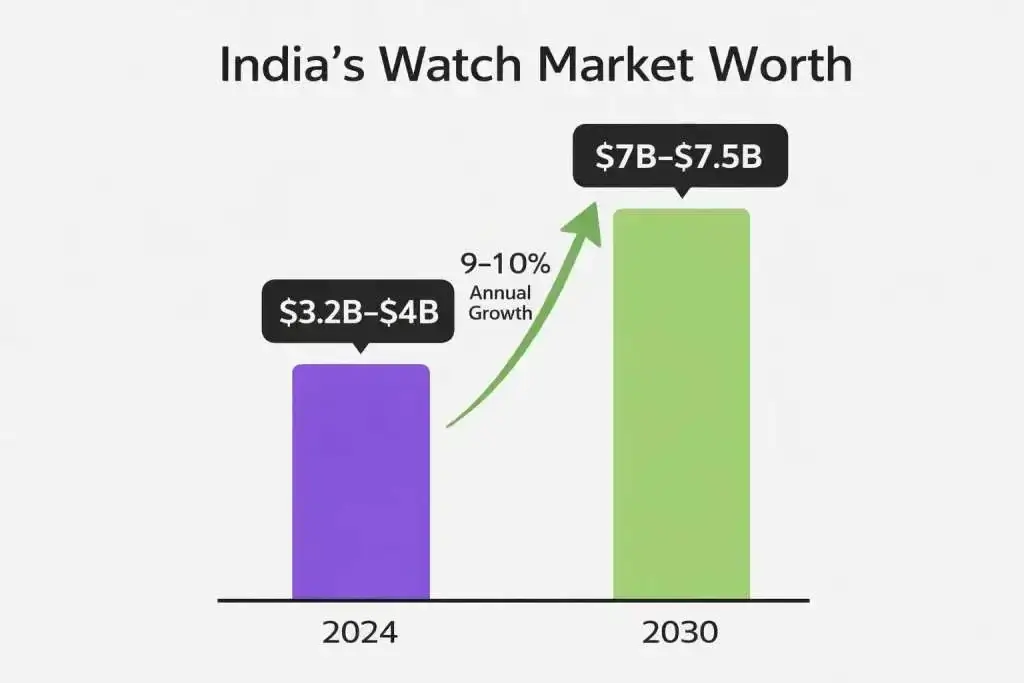
Numbers tell the story. In 2024, India’s watch market was worth somewhere between $3.2 and $4 billion. It’s not slowing down either; by 2030, people expect it to hit $7–7.5 billion. That’s about 9–10% growth every single year.
Now, zoom in on the luxury slice of that market. It’s smaller, sure, but it’s hot. In 2024, luxury watches made up about $1.6–2 billion, and there’s a good chance that figure will double, maybe even more, in the next ten years. More people want premium timepieces, plain and simple.
So, what’s driving all this? There’s a mix of things. First off, more people in India have money these days. Tech is booming, startups are popping up everywhere, and the financial markets are stronger than ever. When people have extra cash, they spend it, and a lot of them want something special.
Lately, you’ll notice something interesting. A lot of young professionals are buying their first luxury watch pretty early in their careers. It’s rarely about showing off. Most of the time, it’s simply their way of marking a moment, maybe a first big bonus, a promotion, or just something they worked really hard for.
Honestly, the meaning of luxury has shifted. It’s not just about piling up pricey stuff. These days, it’s more about showing what you stand for, what you care about, and making your style obvious to the world. People want something with real craftsmanship, a sense of identity, and a story they connect with. That’s what draws them in.
“Luxury goods are the only area in which it is possible to make luxury margins.” - Bernard Arnault
Luxury watches really hit that sweet spot. Unlike a lot of other luxury stuff that lose value the moment you take it home, watches from well-known brands usually hold their value and sometimes, they’re worth even more down the road. Limited editions or rare pieces? Those can actually sell for more secondhand than they did new.
So in the end, a luxury watch is more than just an accessory. For many people, it’s part craftsmanship, part status symbol, and sometimes even a store of value. And that’s probably why, even in a world where everyone checks the time on their phone, the appeal of watches hasn’t really faded.
The Global Watch Ecosystem
If you really want to get a feel for India’s luxury watch market, it makes sense to start with the bigger picture. Globally, the luxury watch scene is worth over $50 billion. People everywhere buy these watches: collectors, folks chasing status, even investors. Europe, the US, the Middle East, and now Asia are all in on the action.
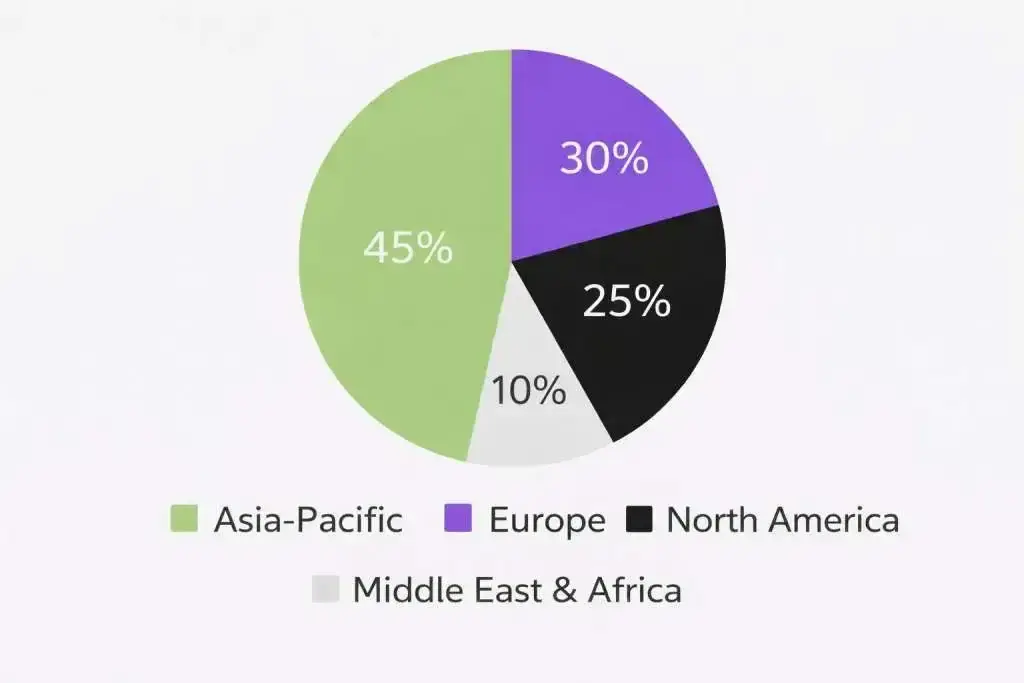
Let’s be real: luxury watches aren’t just expensive accessories. They carry a ton of tradition, wild craftsmanship, and stories that you can’t just fake. And honestly, Switzerland is the center of it all. The Swiss have spent centuries perfecting watchmaking; at this point, it’s basically an art. When people think of the best, they look to Switzerland every time. Rolex, Patek Philippe, Audemars Piguet, Omega, these names aren’t just brands, they’re icons. They mix technical genius with classic design and rich history, which is why people get obsessed. That’s what makes these watches so valuable, both for collectors and in the culture.
Not every brand in this world plays by the same rules. Some chase exclusivity, some obsess over technical perfection, and others lean on deep-rooted history. You can spot it in their price tags and the way people talk about them; it’s obvious.
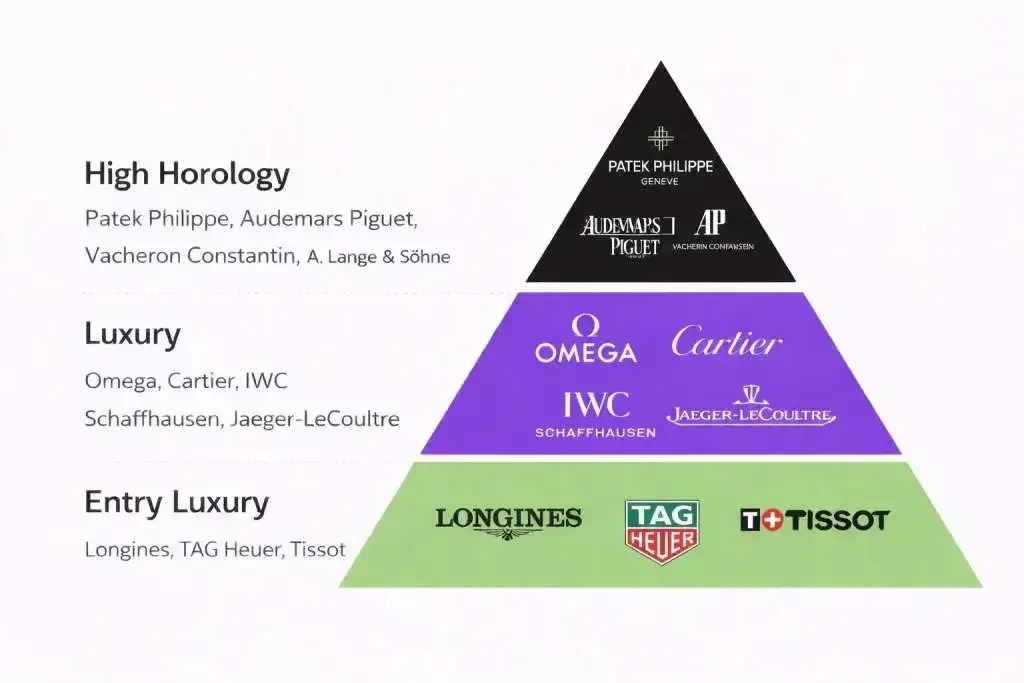
Entry Luxury
This is where a lot of people first dip their toes into the world of luxury watches. Think Longines, TAG Heuer, and Tissot brands you’ve probably heard of. They won’t drain your savings, but you still end up with something solid and respected on your wrist. No wonder so many beginners start here.
Luxury
Step up, and suddenly you’re surrounded by the big names Omega, Cartier, IWC Schaffhausen, and Jaeger-LeCoultre. At this level, watches aren’t just about telling time anymore. There’s real history behind them, iconic designs, and honestly, a certain prestige that comes with slipping one on your wrist. Prices rise, yeah, but so does that thrill of owning something remarkable. Plus, these watches usually keep their value, so collectors and fans never really stop chasing them.
High Horology
At the top, you reach high horology haute horlogerie. Here, watchmaking becomes art. Think Patek Philippe, Audemars Piguet, Vacheron Constantin, A. Lange & Söhne. They craft intricate, limited-edition pieces that go way beyond telling time. These watches are collectibles, and some even show up at auctions, where they fetch wild, record-breaking prices.
Knowing how this whole system works matters, especially for retailers like Ethos Limited. They play across all these levels, bringing top international watch brands into India. That way, they help connect Indian collectors and luxury buyers with the best the global watch world has to offer.
What This Means for Ethos
Ethos sits right in the middle of the global watch world. The company connects top international watch brands with Indian buyers, building a retail platform that rides two big waves: more people in India want luxury goods, and there’s a worldwide craze for collectable watches. As India’s wealthy population grows, the market for luxury watches and for the stores selling them is just getting started.
Company Background: From Watch Components to Luxury Retail
If you want to understand how Ethos Limited staked its claim in the world of luxury watches, you have to go back to the start. Ethos wasn’t always a retail chain. It actually comes out of KDDL Limited, a company that specializes in crafting high-precision watch parts, dials, hands, and the works for some of the biggest names in the business.
KDDL had clients like Rolex, Omega, Tissot, Rado, and Longines. Being plugged into the global supply chain gave them a close-up look at how the Swiss watch world really works. They built real relationships with established brands. Later, those connections made all the difference when they leaped into luxury watch retail.
In the early 2000s, the group saw something most people missed: luxury watch retail in India was wide open. If you wanted a fancy watch back then, you’d probably end up at a small independent shop or tucked away in a jewelry store. Actual watch boutiques? Pretty much didn’t exist. So, in 2003, Ethos leaped and opened its first boutique, a whole store just for premium watches. That was new for India.
From there, Ethos just kept going. More boutiques popped up, and the company built strong relationships with big international brands. It took patience, but it worked. Now, Ethos stands as India’s top luxury watch retailer, with shops in all the major cities and the best retail spots around.
2022 changed everything for Ethos. They went public, the first luxury watch retailer in India to hit the stock exchanges. Suddenly, they had more money to work with, so they opened more stores, teamed up with new brands, and doubled down on digital.
Today, Ethos is right at the crossroads of luxury retail, watch collecting, and premium lifestyle. They’ve turned into this bridge, linking top watchmakers from around the world with India’s rising class of luxury buyers.
How the Business Actually Works
At first, Ethos Limited looks like any other store. You walk in, pick out a watch, pay, and that’s it. But there’s a lot more going on behind the scenes.
Ethos doesn’t actually make watches. Its role is different. The company works with global luxury watch brands and brings them to Indian customers.
While Ethos occasionally sells jewellery and luxury accessories, the business is fundamentally built around luxury watch retail and brand partnerships with global watchmakers.
That means collectors, enthusiasts, and even first-time buyers can walk into an Ethos store and explore some of the world’s most recognised watch brands in one place.
In that sense, Ethos isn’t just a retailer; it’s more like the gateway to the luxury watch market in India.
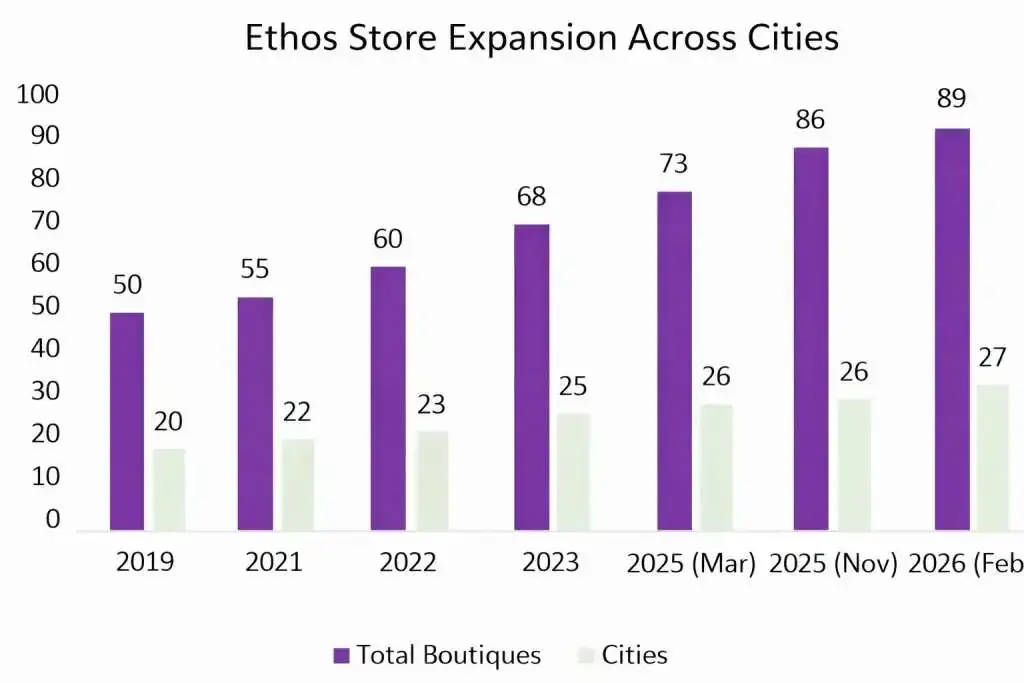
At the moment, the company runs over 60 high-end boutiques across more than 25 cities and partners with 70+ international brands. This gives it the largest luxury watch retail network in the country.
1. Multi-Brand Luxury Boutiques
The first thing that jumps out about this business? It's lineup of luxury watch boutiques. These shops show up in high-end malls and those upscale shopping streets, the kind of places where you just expect to see top-tier watches. Walk in, and you’re not stuck with one brand. You see all the heavy hitters under one roof: Omega, Tag Heuer, Longines, Rado, and a bunch more.
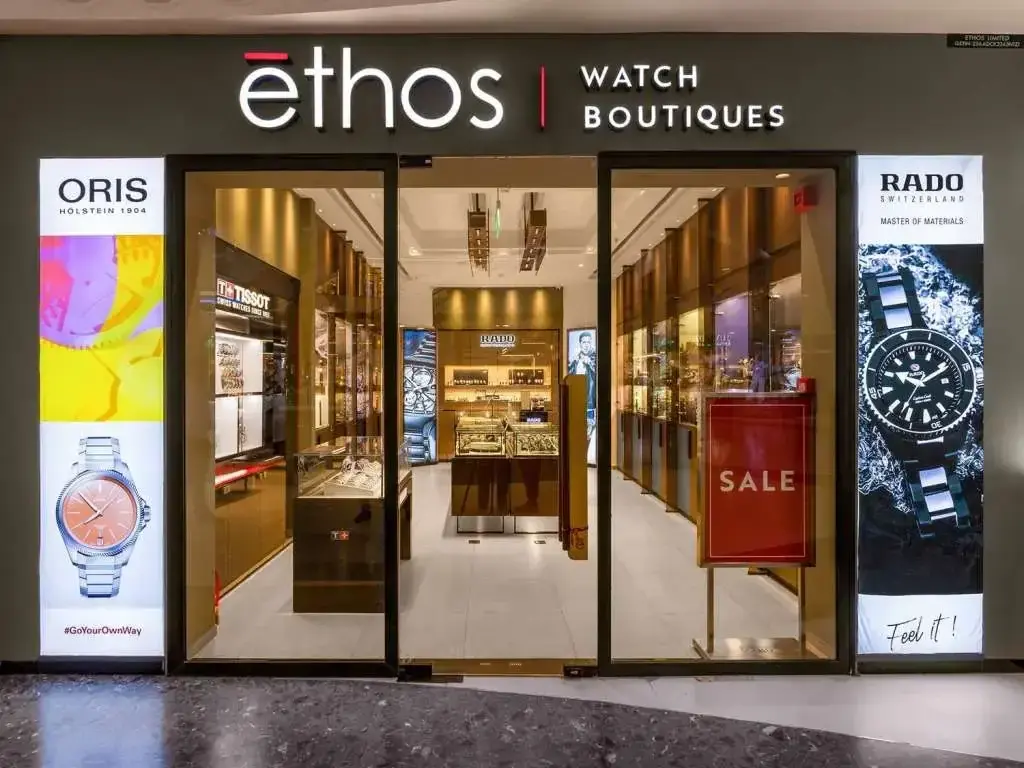
Ethos doesn’t hold back on selection, either. The displays are packed with thousands of models, from around ₹50,000 all the way up into the crores. People drift from one display to another, checking out designs, comparing movements and prices, weighing their options. And the staff? They actually know their stuff. There’s always someone nearby who can walk you through the details or dive deep into the mechanics if you want.
Picking out a luxury watch isn’t something people just rush through, especially if they’re collectors. It’s a whole process. They dive into the details of how the movement works, the story behind the brand, and how rare the watch is. And yeah, they’ll probably ask about its future value too. Honestly, for a lot of people, the real magic happens in the store. Holding the watch, talking with someone who actually understands the passion, that’s just as important as walking out with the watch itself.
2. Exclusive Brand Boutiques
Besides its multi-brand stores, the company also runs boutiques that focus on just one watchmaker. These shops feel like stepping right into the world of that brand; every detail, from the décor to the way the watches are displayed, tells the brand’s story and shows off its personality.
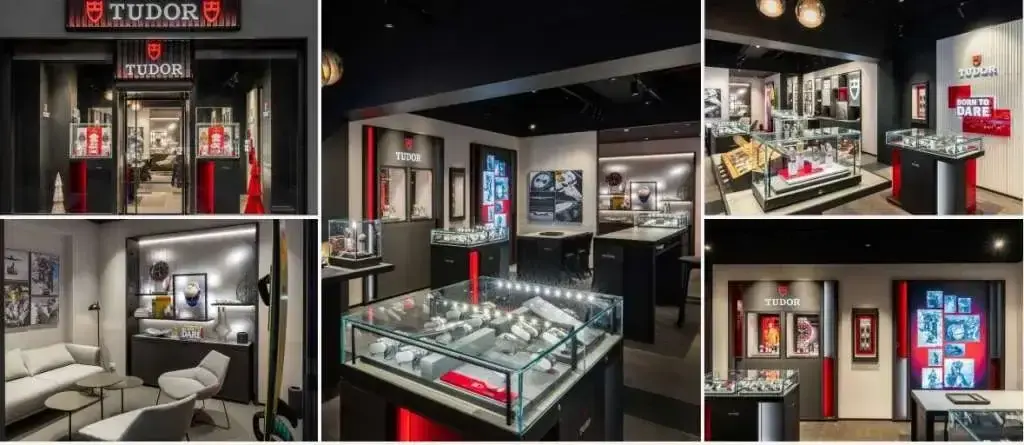
Tudor: 8th Boutique in City of Time, Gurugram
Ethos manages these exclusive boutiques for several big international names. This setup lets the watchmakers call the shots on how their brand looks, how customers experience it, and even how new products are launched.
For the brands, these boutiques work like flagships, the go-to spot in India to experience their watches up close. For Ethos, running these stores means stronger ties with global watchmakers and a bigger role as a top retail partner in the country.
3. Digital Discovery Platform
The search for a luxury watch usually starts online these days. Ethos knows this, so they’ve built a digital platform where people can browse watches, learn about the craft, and check out different models all before they even walk into a store. Their website isn’t just a product catalog; it’s a spot for watch lovers to dig into the details and for collectors to discover something new.
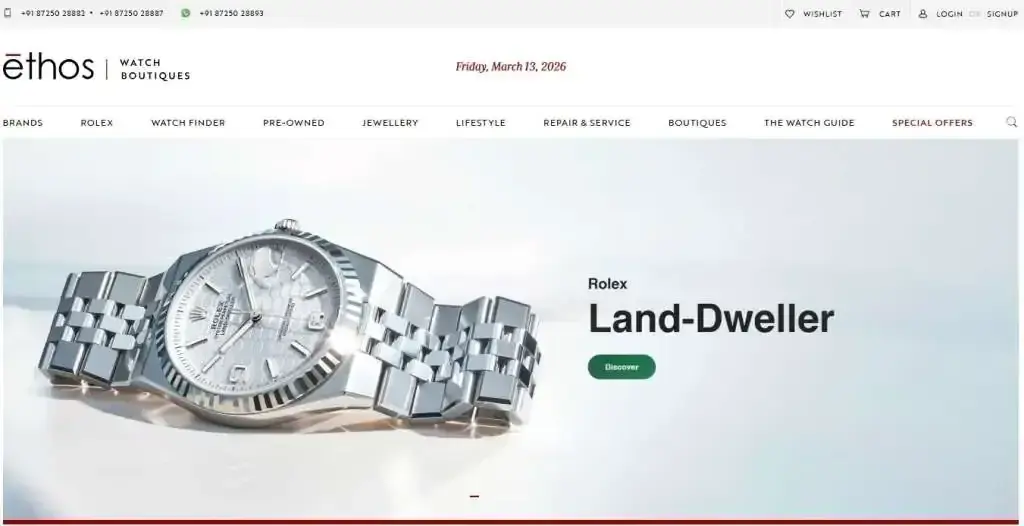
Most folks kick things off by doing some research online. They look up different models, dig into the brands, and once they have a pretty good idea of what catches their eye, they’ll head over to the boutique to check the watch out in person. Ethos has a long roster of wealthy clients, too. When a new release drops or a rare model shows up, they reach out fast; sometimes, they even invite people to those exclusive collector events. It’s a smart move. Keeps their clients excited and in the loop, so nobody misses out.
4. The Pre-Owned Watch Marketplace
Luxury watches are one of those rare products that don’t really lose their relevance with time. If anything, a well-maintained watch can keep running for decades. Because of that, many collectors don’t treat watches as one-time purchases. They upgrade, trade, and sometimes sell a piece to fund the next one.
This is where the company’s Second Movement platform fits in.
Collectors don’t really have to deal with the hassle of finding a buyer on their own. They can hand the watch over to the platform instead. The team then checks the piece, confirms it’s authentic, looks at its condition, and gets it serviced if required before putting it up for sale.
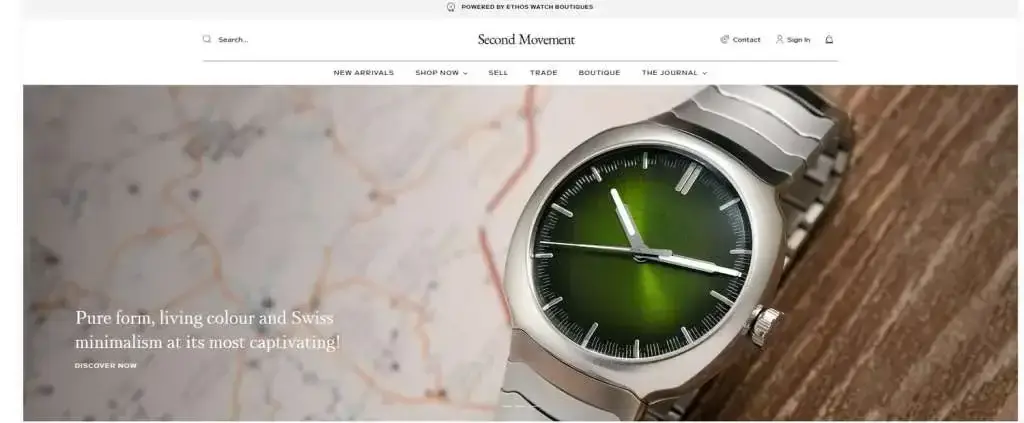
https://www.secondmovement.com/
In practice, this creates a sort of circular marketplace. One collector exits a watch, another collector picks it up, and the piece continues its journey with a new owner.
Globally, the pre-owned luxury watch market has already grown into a $20+ billion industry. In countries like the US and Switzerland, buying a certified pre-owned watch is quite normal.
India, however, is still at a much earlier stage. The market is only beginning to develop as awareness and trust in authenticated resale platforms improve
For a retailer like Ethos, participating in both new watch retail and the pre-owned segment allows it to engage with customers across the entire lifecycle of watch collecting, from a first purchase to future upgrades.
5. After-Sales Services
Most luxury products don’t need much looking after, but mechanical watches are different. They need regular servicing, cleaning, oiling, and tuning up the movement. Ethos steps in here, offering after-sales support through its authorized service channels. It’s not just about fixing watches; it’s about building trust and keeping customers coming back, especially since people often hold onto luxury watches for decades.
The Core Idea
It all comes back to one thing: Ethos isn’t out there trying to beat watch brands at their own game. It’s the bridge, the connector that brings global watchmakers and Indian buyers together. Think of Ethos less as a typical retailer and more like a high-end distribution network. As more people in India start collecting watches and the number of wealthy customers grows, Ethos’s role in that network just keeps getting more important. That’s when you really start to see how the business makes money.
The Real Moat: Brand Partnerships
In the world of luxury watch retail, the real edge doesn’t come from fancy stores or slick marketing. It comes down to the brands a retailer gets to carry.
Luxury watchmakers don’t mess around when it comes to who sells their products. They handpick just a few authorized retailers in each market and keep a tight grip on their distribution. It’s exclusive by design.
That’s exactly where Ethos Limited stands out. Over time, they’ve built relationships with more than 70 international watch brands, one of the biggest luxury watch portfolios in the country. These aren’t deals that just happened overnight. Ethos earned them, bit by bit, through years of building trust, delivering on retail experience, and proving themselves in the global watch scene.
For these watch brands, choosing the right retail partner is a big deal. They care about how their watches look in the store, how customers are treated, whether their brand’s prestige is protected, and if the retailer can be trusted with high-value pieces.
Because of all that, once a retailer like Ethos becomes an authorised partner, it’s almost impossible for rivals to break in. If a brand picks Ethos as its distributor in a market, other retailers can’t just jump in and start selling those watches. Everything has to go through official channels.
So, this creates a tough barrier. Competitors might open luxury stores, but if they can’t get access to the same brands, they can’t really compete on the same level.
“The big money is not in the buying and selling, but in the waiting.” - Charlie Munger
In investing, advantages like these are often referred to as an Economic Moat Explained: Why Some Companies Stay Dominant for Decades.
You see this pattern in other places, too. Take Watches of Switzerland Group, they’ve carved out a big presence in Europe and the U.S. by locking in partnerships with top brands.
Now, Ethos is shaping up to play a similar role in India, connecting the world’s best watchmakers with a new generation of collectors and luxury buyers.
Omnichannel Strategy
Luxury retail isn’t just about fancy storefronts anymore. These days, people start their buying journey long before they ever set foot in a boutique. Ethos Limited saw this coming early on and built a business that blends classic brick-and-mortar stores with a strong online presence.
Here’s how they do it. First, their physical boutiques are still the heart of what they offer. You can walk in, try on watches, chat with advisors, and really get a feel for the craftsmanship. That kind of hands-on experience matters, especially when you’re looking at something as valuable as a luxury watch.
But they don’t stop there. Ethos also runs a big digital platform where customers can browse collections, compare different models, and learn about watchmaking. For a lot of people, the website is where it all starts. They do their homework online before heading into a store.
Then there’s the third layer: concierge-style services. Think personalized help, tailored recommendations, and even delivery right to your home or office for select purchases.
The digital side brings some big advantages. Their website pulls in watch lovers who want to research brands and models. Social media is huge too; it’s where Ethos shows off new releases, tells stories about watchmaking, and connects with collectors.
Another thing working in their favor: years of retail experience and loyalty programs have helped Ethos build a solid database of high-net-worth customers. This lets them stay in touch, share news about new launches, and invite people to exclusive events.
In the end, the mix of in-store experiences, digital discovery, and personal engagement lets Ethos reach both traditional luxury buyers and younger shoppers who start their search online before ever visiting a boutique.
Club ECHO: Building a Community of Collectors
In luxury retail, your best customers aren’t the ones who just stop by once. The real value comes from people who keep coming back, those watch lovers who slowly turn into collectors as their tastes and budgets grow.
Ethos Limited spotted this early on and launched Club ECHO, a loyalty program with a different spin. Forget the usual points or basic discounts. Club ECHO is all about building a real community around watch collecting.
Members get a lot more than just perks. They’re invited to private watch launches, get first dibs on new models before anyone else, and have chances to meet other collectors and enthusiasts. On top of that, they enjoy special experiences designed for people who truly appreciate luxury watches.
Luxury watch brands love these kinds of communities because they help collectors feel a stronger bond with their watches. Over time, this turns a simple purchase into a lasting relationship. Someone might buy their first luxury watch now, then come back years later for the next piece in their collection.
That’s why, in the world of luxury watches, keeping your customers matters more than just attracting new ones. By staying connected through programs like Club ECHO, Ethos doesn’t just keep collectors engaged; they also make it much more likely those collectors will return again and again.
The Pre-Owned Watch Opportunity
There’s a pretty fascinating angle in the luxury watch world that most people miss: the pre-owned market. See, luxury watches aren’t like your regular gadgets. If you take care of a mechanical watch, it’ll stick around for decades, maybe even outlast you. These watches pass from one collector to another, and that keeps the secondary market buzzing with activity.
Ethos Limited saw where things were headed and jumped in with their certified pre-owned platform, Second Movement. The idea? Turn what was once a kind of wild-west resale scene into something reliable and organized.
Here’s how it works: You want to sell a watch, so you list it on their platform. The team checks it out, makes sure it’s authentic, and gives it a good look-over. If the watch needs a tune-up or a little polish, they handle that too. Once it’s ready, it goes back up for sale, this time with their stamp of approval.
This whole setup brings much-needed transparency and trust to the process, which really matters with luxury watches. In this world, authenticity and condition aren’t just important; they’re everything.
Globally, buying pre-owned luxury watches has taken off, thanks to big platforms like Chrono24 and Watchfinder. Sometimes, the hunt for a specific discontinued or limited-edition model gets hotter on the secondary market than at retail.
Things in India are just getting started, though. But as more people get into watch collecting, the resale market’s bound to pick up steam. For retailers like Ethos, this isn’t just about making extra money; it’s also a way to keep their customers coming back and staying plugged in to the watch community.
Investors often overlook the pre-owned segment, but honestly, it’s got the potential to become a major player in the luxury watch scene over time.
Financial Performance
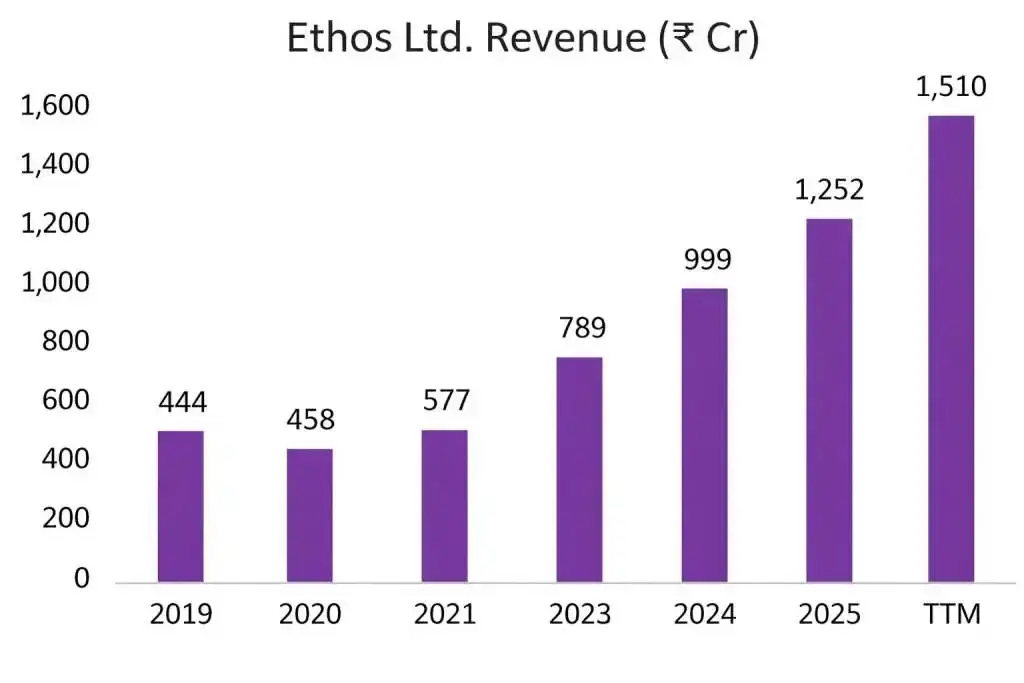
If you really want to understand Ethos Limited’s rise, just take a look at how their numbers have shaped up over the past few years. As more people in India have started spending on luxury, Ethos has built up its revenue, and they haven’t stopped expanding their retail footprint either.
Revenue Growth
Let’s talk revenue. Ethos has posted some impressive growth lately. What’s behind it? They keep opening new boutiques, forging fresh partnerships with international brands, and riding the wave of growing interest in luxury watches. There’s a bigger pool of well-off buyers now, and more of them are picking up premium watches sometimes just for the thrill of collecting. Loyal customers coming back for more only add to the momentum.
Store Expansion as a Growth Engine
But none of this happens without more stores. Every time Ethos opens a new boutique, they don’t just add a new address; they tap into a new set of customers. In luxury retail, brands often cluster stores in cities where they’re picking up steam. It’s a smart move: more stores mean deeper market reach and stronger brand recognition. So, store expansion isn’t just a side note here; it’s a big part of how Ethos keeps growing.
Margin Trends
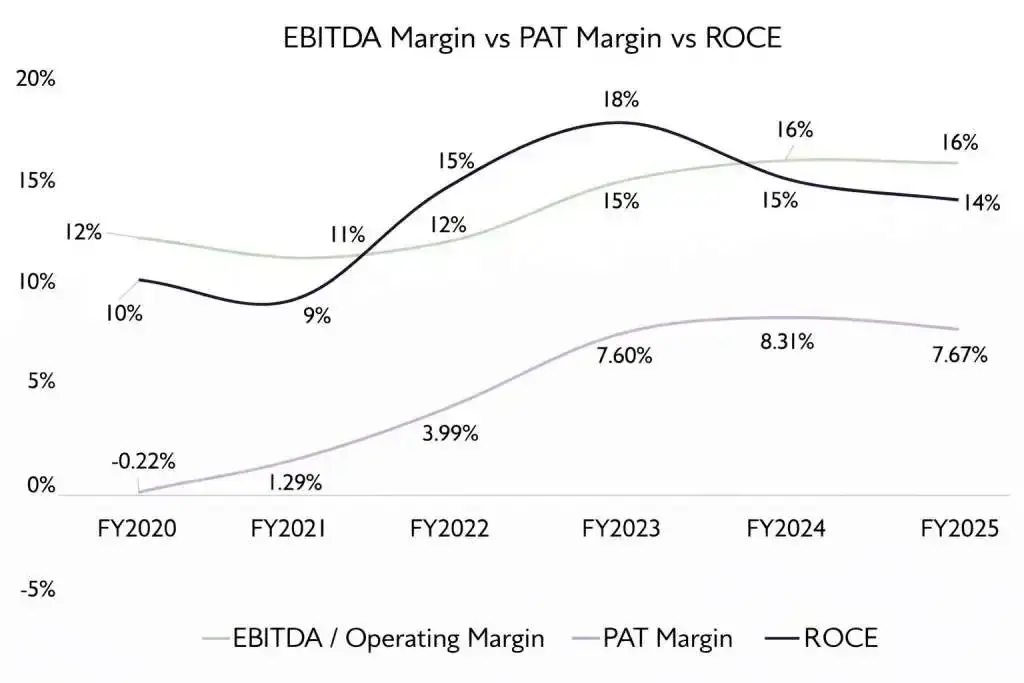
Selling luxury watches comes with its own set of rules. Margins here are pretty stable compared to most retail businesses, thanks to those high price tags and strict distribution controls from global watchmakers. But it’s not always smooth sailing. Margins shift depending on what it costs to open new shops, how much inventory the company needs to keep on hand, and which brands are selling more. Still, as Ethos scales up, it gets more efficient, which helps boost profits over time.
Investors often evaluate profitability using metrics like Return on Equity (ROE) Explained: A Step-by-Step Guide for Investors
Inventory and Working Capital
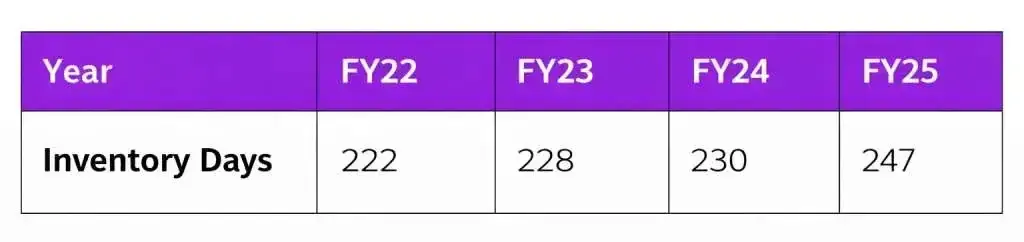
Inventory is a whole different ball game in luxury watch retail. These are expensive products, so Ethos needs to keep a lot of pricey inventory across various brands and models. That means plenty of working capital gets tied up, but there’s no real way around it if you want to offer customers a proper selection. The good news? Steady demand and solid turnover make it easier to keep cash flowing.
Understanding inventory and working capital becomes much easier once you know how to read a Balance Sheet like a Professional Investor
High-Ticket, Low-Volume Economics
One last thing, luxury watch retail doesn’t work like your typical big-box store. Instead of pushing out tons of cheap products, each sale here is worth a lot, sometimes several lakhs, even crores. In fact, the average selling price (ASP) of watches sold is around ₹2.08 lakh per watch, compared with about ₹2.18 lakh earlier, highlighting how high-value each transaction can be. So, while Ethos sells fewer pieces, every transaction packs a punch. That’s the heart of the business: high-value, low-volume sales. And it’s what sets companies like Ethos apart.
Hidden Risks Investors Should Understand
Sure, luxury watch retail looks exciting on the surface, but let’s be honest, there’s a lot more beneath the glitzy displays. The risks don’t always get much airtime in all those glowing company presentations, but they’re real, and you need to know them if you want the full picture.
Brand Dependency
First up: the whole business hangs on relationships with big luxury watch brands. Ethos Limited doesn’t make watches. They rely on partnerships with the brands themselves, and those brands call the shots. They decide who sells their products, how much inventory goes to each retailer, or if they want to open their own fancy store down the street. If those brands pull back, shift their strategy, or cut allocations, Ethos feels it. In short, a retailer like this lives or dies by its brand relationships.
Cyclicality of Luxury Demand
Luxury isn’t immune to the economy. When times are good, people splurge. But when there’s a downturn or markets get rocky, expensive watches suddenly slide down the shopping list. Demand bounces around with the economic cycle, and since nobody actually needs a luxury watch, sales can drop fast if the mood changes.
Inventory Risk
There’s also the matter of inventory. To keep customers happy, stores need to carry a big selection of different brands, styles, and price points. The catch? These watches are pricey, so a lot of cash gets locked up in stock. If something doesn’t sell, that money just sits there, and it can drag down the business’s efficiency in a big way.
Grey Market Competition
Then there’s the grey market. Some dealers sell real watches outside the official channels, usually at lower prices. Maybe they source them from overseas or markets with different prices. Authorized retailers offer warranties and support, but plenty of buyers just want a deal and don’t care about the extras. That puts pressure on official sellers, especially in segments where people are watching their wallets.
So, yes, luxury watch retail in India is on the rise, but it’s not all smooth sailing. The business depends on smart management, keeping brands happy, handling inventory wisely, and staying sharp against grey market competition. If any of those pieces slip, the whole thing can wobble.
Explore our Products
Research Framework

Emerging Titans
Combination of quantitative analysis, industry tailwinds, and management assessment - SPRINT investment philosophy

Tiny Titans
Heavy emphasis on scuttlebutt research, plant visits, and early on-ground signals
Structural Growth Drivers
India’s luxury watch market isn’t huge yet, at least not compared to the rest of the world. But things are changing fast, and you can see some big shifts taking shape. These changes matter especially for retailers like Ethos Limited, who are trying to read the room and see where the market’s going.
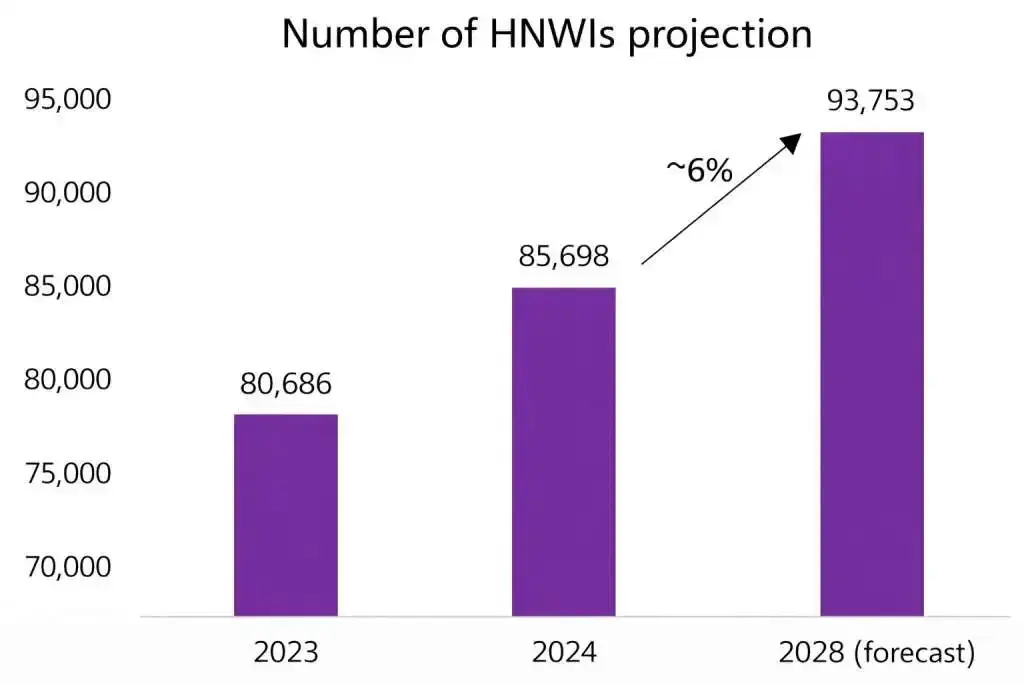
First, let’s talk about the high-net-worth crowd. India’s got more wealthy folks now than ever before, thanks to startups, booming family businesses, the financial scene, and a new wave of entrepreneurs. As these people earn more, they’re spending more, especially on luxury stuff like watches.
“Spending money to show people how much money you have is the fastest way to have less money.” - Morgan Housel
But it’s not just the ultra-rich buying anymore. There’s a bigger wave of professionals and new entrepreneurs who see luxury items as a way to mark special moments, getting a promotion, nailing a big deal, or just celebrating a personal win. For them, buying a luxury watch is more about identity and achievement than just telling the time.
Retail spaces are changing, too. High-end malls and luxury districts are popping up not just in the big cities, but in smaller ones as well. These spaces offer the kind of shopping experience luxury brands want, and every new mall or shopping district creates another chance for watch retailers to open up shop and reach new customers.
Then there’s the digital side of things. Young buyers, especially, start their search online, reading up on brands, checking out watchmaking details, and comparing models. By the time they walk into a store, they already know what they want. If a retailer nails both the online and in-store experience, they’re set to win over this new audience.
And here’s something interesting: more people are starting to see certain watches as investments, not just accessories. Limited editions or discontinued models, especially from well-known brands, can be pretty valuable on the resale market. It’s pushed some buyers to think of collecting watches as a serious hobby or even a way to store wealth.
Put all this together, and it’s pretty clear India’s luxury watch market is just getting started. The foundations are in place, and the future looks promising for the brands and retailers who are ready to grow with it.
The Big Question for Investors
Luxury consumption in India is still pretty new compared to places like Europe or the US, but things are changing fast. More people are building real wealth. Malls and high-end stores are popping up all over the place. And now, a younger crowd is starting to buy luxury products, something you didn’t see much ten years ago.
Luxury watches fit right into this moment. They’re not just about telling time. There’s the craftsmanship, the story behind each brand, the whole collector’s vibe. With more people getting into watch collecting and global brands setting up shop here, the stores that actually connect buyers and brands are starting to matter a lot more.
That’s where Ethos Limited comes in. They’re making deals with top watchmakers around the world, opening more boutiques, and trying to turn watch collecting into more of a community here. Basically, they want to be the go-to place if you’re into luxury watches in India.
So here’s the big question for investors: As more Indians get wealthy and spend on luxury, does Ethos have what it takes to become the country’s main player for high-end watches?
If you want to evaluate companies like Ethos more systematically, using A Fundamental Checklist: How to Research a Stock in 1 Hour can be a great starting point.
Conclusion: The Bigger Picture
Luxury watches aren’t just about telling time anymore. Now, they’re a mix of craftsmanship, heritage, status, plus, let’s be honest, a pretty solid investment for some folks. There are models people treat like rare art, and a few hold their value shockingly well. Watch collecting has turned into a real passion for a growing group of enthusiasts. For some, it’s even a way to diversify their assets.For investors building long-term portfolios, diversification across asset classes becomes important, which is why understanding Asset Allocation 101: How to Reduce Risk and Stabilize Investment Returns can help.
As India gets wealthier and people get more interested in luxury, this whole watch culture is starting to take off here too. What used to be a tiny circle of hardcore collectors is opening up. More people are getting involved, young buyers, first-timers, and there’s now a buzzing secondhand market as well.
In the middle of all this, companies that bridge the gap between big global brands and local buyers are starting to matter more. Ethos Limited, for example, is building strong ties with international watchmakers, opening more boutiques, and creating spaces for collectors to connect. They’re putting themselves right at the heart of India’s growing luxury watch world.
“Play long-term games with long-term people.” - Naval Ravikant
If this love for watch collecting keeps pace with India’s upward trajectory, these distribution platforms, the ones linking brands and buyers, are only going to get more important.
Here’s the twist: the future of luxury watches in India might not just belong to the Swiss or Japanese brands making them. It could belong just as much to the companies shaping how those watches find their way onto people’s wrists.
Curious about more stories like this? Drop a “watches” in the comments, and I’ll keep digging deeper.
FAQs
What is the “Big 4” of luxury watches, and why do they matter?
+The “Big 4” in luxury watches usually refers to brands like Rolex, Patek Philippe, Audemars Piguet, and Richard Mille. These brands dominate the luxury watch industry because they have strong heritage, limited supply, and very high demand.
From an investor’s perspective, these brands matter because they control pricing power and customer aspiration. If a retailer like Ethos has access to these brands, it automatically attracts high-value customers and builds credibility. Without them, it becomes very difficult to compete in the true luxury segment.
Which watches do billionaires and HNIs prefer?
+Billionaires and high-net-worth individuals typically prefer brands like Patek Philippe, Audemars Piguet, Vacheron Constantin, and Rolex. These watches are not just expensive but also rare, collectible, and often hold or increase in value.
This matters because it shows how demand evolves as people get richer. In India, as more HNIs are created, demand will shift towards higher-priced watches. For Ethos, this means higher average selling price (ASP), better margins, and stronger long-term growth potential.
What is considered the “entry-level luxury” or “poor man’s Rolex”?
+The term “poor man’s Rolex” is commonly used for brands like Tudor. These watches offer similar design and quality perception as Rolex but at a much lower price point, making them accessible to first-time luxury buyers.
From a business point of view, this is extremely important because it represents the starting point of the customer journey. A buyer may begin with an entry-level luxury watch and gradually upgrade over time. Ethos benefits from this entire lifecycle, increasing customer lifetime value and repeat purchases.
Does Ethos have strong access to top-tier brand allocations?
+In the luxury watch industry, brands strictly control who can sell their products and how much inventory each retailer receives. Ethos’s ability to maintain strong relationships with global brands and secure consistent allocations is one of its biggest strengths.
This is critical because if brands reduce supply or shift strategy, the retailer’s business can be directly impacted. So, the real moat is not just having stores, but having long-term trust and partnerships with top watchmakers.
How efficiently does Ethos manage inventory and working capital?
+Luxury watch retail is a high-ticket business where a lot of money is tied up in inventory. Ethos has relatively high inventory days, which means watches stay in stores for a longer period before being sold.
This is important because slow inventory turnover can block cash and reduce efficiency. However, if demand remains strong and inventory is well managed, the company can still generate healthy cash flows. For investors, tracking inventory trends is crucial to understanding whether growth is sustainable or risky.

High growth stock specialist, Value Educator
Shashank Mahajan is an equity research professional with over 12 years of experience in identifying high-potential SME and micro-cap stocks at an early stage. He follows a rigorous scuttlebutt research–driven approach, combining on-ground insights with deep financial analysis. Shashank specializes in uncovering under-researched and under-owned companies with strong management quality and long-term growth potential. Through disciplined research and early identification, he focuses on spotting tomorrow’s market leaders before they enter the mainstream investor radar.

Glenmark: The USD 700 Mn Cancer Deal and Its Brands

Pharma Stocks in India 2026: Generics, APIs and CDMOs
Granules India: From Paracetamol to a 65% Gross Margin

Natco Pharma: After Revlimid, 29 Patent Challenges

Shilpa Medicare: Cancer APIs, Films and Biosimilars

Alembic Pharma: US Plants Pay Back, Margin Hits 22.2%
Explore our Products
Research Framework
Emerging Titans
Combination of quantitative analysis, industry tailwinds, and management assessment - SPRINT investment philosophy
Tiny Titans
Heavy emphasis on scuttlebutt research, plant visits, and early on-ground signals



Modern Warfare to Multibaggers
Key Trends. Strategic Shifts. Opportunities Ahead.
Don't Miss This Exclusive Webinar!
Join Value Educator to decode the key trends shaping India's defence sector and learn how to identify tomorrow's potential leaders in the space.
- In-depth research on India's defence sector
- Live Q&A session
- Actionable takeaways for long-term investors

 Orders
 Subscription
 Share with friends


Required Details
₹23999.00
(12 month subscription)
As per SEBI regulations, all users are mandated to complete the KYC that is validated for 1 year. Post payment, you will be redirected to the KYC screen


No comments yet. Be the first to comment!