
Pharma Stocks in India 2026: Generics, APIs and CDMOs
In the July to September quarter of 2026, Indian drug makers reported very different results. Alembic's US revenue rose 77% to ₹1,003 Cr. Piramal Pharma's contract manufacturing grew 36%. Glenmark's revenue fell 29.8%, only because a year earlier it had booked a USD 700 million upfront payment from AbbVie for a cancer medicine. On a like-for-like basis, Glenmark grew about 20%.
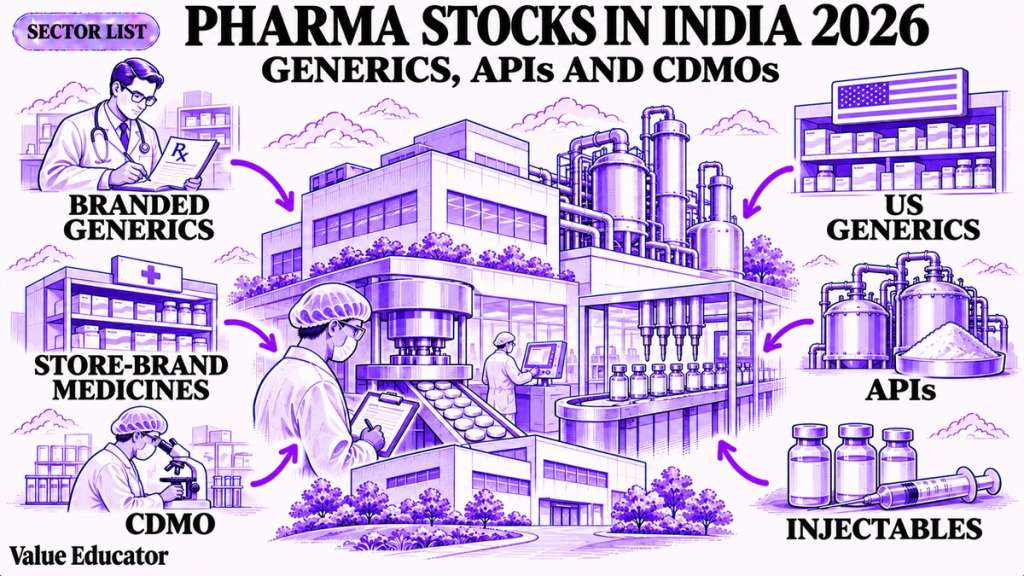
Those gaps exist because "pharma" is not one business. A company that sells branded medicines to Indian doctors, one that sells cheap copies in the US, one that makes drug ingredients by the tonne and one that manufactures for global drug companies all earn in different ways. This page lists the listed pharma companies we have studied in depth, grouped by what they actually sell, with each one's latest quarterly revenue. Each row links to our full research on that company.
Figures as of 13 November 2026. This page is research, not a recommendation to buy or sell any stock.
Pharma Stocks in India at a Glance
| Company | Segment | What it makes and sells | Q2 FY27 revenue (growth) | One key figure (date) |
|---|---|---|---|---|
| Glenmark Pharmaceuticals | Branded generics, US generics, specialty | Medicines for India, Europe, emerging markets and the US, and a cancer drug licensed to AbbVie | ₹4,247.3 Cr (down 29.8%; about 20% up like-for-like) | USD 700 million upfront from AbbVie (Sep 2025) |
| Piramal Pharma | CDMO, hospital generics | Makes medicines for global drug companies, plus anaesthesia gases, hospital injectables and consumer brands such as Little's | ₹2,617 Cr (up 28%) | CDMO revenue ₹1,424 Cr, up 36% (Q2 FY27) |
| Alembic Pharmaceuticals | US generics, branded generics, API | US generics, branded medicines in India and drug ingredients | ₹2,603 Cr (up 36%) | US revenue ₹1,003 Cr, up 77% (Q2 FY27) |
| Ajanta Pharma | Branded generics, US generics | Branded medicines in India, Asia and Africa, and plain generics in the US | ₹1,794 Cr (up 33%) | Branded generics 66% of sales (Q2 FY27) |
| Granules India | API to finished tablets, CDMO | Paracetamol, metformin and other medicines as drug ingredient, granules and tablets, plus peptide contract work in Switzerland | ₹1,560.0 Cr (up 20%) | Gross margin 65.0% (FY26), from 48.9% in FY23 |
| Natco Pharma | Specialty US generics, India oncology | Hard-to-make generics, mostly for cancer, launched in the US through patent challenges; cancer medicines in India | ₹1,019.4 Cr total revenue (down 30.3%) | 29 Paragraph IV filings (Sep 2026); 49% of Adcock Ingram |
| Marksans Pharma | OTC store brands | Pain, cough and stomach medicines sold under pharmacy chains' own labels in the US, UK, Europe and Australia | ₹940.2 Cr (up 30.5%) | OTC medicines 80% of revenue (FY26) |
| Caplin Point Laboratories | Emerging-market generics, US injectables | Generics stocked in its own warehouses in Latin America, and sterile injectables for US hospitals | ₹629.8 Cr (up 17.9%) | Free cash reserves ₹1,534 Cr (Sep 2026) |
| Shilpa Medicare | API, specialty, biologics, CDMO | Cancer drug ingredients, dissolving films and patches, biosimilars and contract work | ₹538 Cr total income (up 45%) | H1 FY27 total income ₹1,007 Cr, up 44% |
| Indoco Remedies | Branded generics, exports | Branded medicines in India such as Cyclopam, and generics for Europe and the US | ₹506.9 Cr (up 7.4%) | Goa sterile plant re-inspected by the US FDA, 7 observations (Sep 2026) |
| Concord Biotech | API (fermentation), formulations | Drug ingredients grown by microbes, such as transplant medicines tacrolimus and mycophenolate | ₹309.1 Cr (up 25%) | About 1,250 cubic metres of fermentation capacity |
| Supriya Lifescience | API, CDMO | Drug ingredients such as anaesthetics and antihistamines, sold in more than 120 countries | ₹206.3 Cr (up 3.2%) | 80% of revenue from exports (Q2 FY27) |
Growth is against the same quarter a year earlier. Natco and Glenmark both fell because a year ago they had one very large product or payment that has not repeated.
The Segments of Indian Pharma
A medicine passes through two stages. First, a chemical maker produces the active pharmaceutical ingredient, or API, which is the part of a tablet that does the medical work. Then a formulation maker turns it into the finished tablet, syrup or injection that a patient takes. Indian companies work at both stages, and sell in very different ways.
Branded generics in India and emerging markets. A generic is a copy of a medicine whose patent has expired. In India, Asia, Africa and Latin America, companies sell generics under their own brand names, and medical representatives visit doctors to explain why the brand is worth prescribing. When doctors trust a brand, they keep writing it for years, so margins are usually higher. Ajanta, Glenmark, Indoco and Alembic all run large branded businesses. Caplin Point does something similar in Latin America, where it keeps stock in its own warehouses close to pharmacies and hospitals.
US generics. In the US, generics are sold mostly on price, through large wholesalers and pharmacy chains. To sell one, a company files an ANDA, an abbreviated new drug application, and the plant that makes it must pass a US FDA inspection. Prices fall fast once several makers sell the same medicine, so companies earn most on products few others can make, or on products they launch first. Alembic, Ajanta, Granules and Glenmark all sell generics in the US. Natco goes one step further and challenges patents to launch early.
OTC store brands. Next to the famous brands on a US or UK pharmacy shelf sit the same medicines in the shop's own packaging, at a lower price. Marksans makes these over-the-counter medicines, which shoppers buy without a prescription, for the retailers who own the label.
APIs. API makers sell drug ingredients in kilograms or tonnes to other drug companies. A buyer cannot switch suppliers overnight, because every API in a medicine sold in Europe or the US is named in that medicine's approval file. Supriya and Concord are mainly API makers, APIs are Shilpa's largest business, and Granules began as a paracetamol API plant. Concord's APIs are grown by microbes in large steel tanks, a process called fermentation.
CDMO. A contract development and manufacturing organisation makes medicines for other drug companies. It does not own the medicine; it earns a fee for developing the process and running the plant. Piramal Pharma is the largest CDMO among the companies above. Granules, Shilpa and Supriya are building smaller CDMO arms.
Specialty and biologics. Some companies go beyond plain copies. Shilpa makes biosimilars, which are close copies of medicines made by living cells, along with dissolving films and skin patches. Glenmark discovers new medicines and licenses them to larger companies in return for upfront payments, milestones and royalties.
Why the Sector Matters
Indian pharma is largely an export business, and the companies above sell to some of the strictest drug regulators in the world.
- Supriya sells in more than 120 countries, and about 80% of its Q2 FY27 revenue came from exports.
- Marksans sells more than 350 products in over 60 countries. The US was 52% of its FY26 revenue.
- North America made up 72% of Granules India's revenue in Q2 FY27.
- Piramal Pharma has a commercial presence in more than 100 countries, and in H1 FY27 it completed 12 regulatory inspections and 110 customer audits.
- Glenmark has a presence in more than 80 countries, and Caplin Point holds 5,000+ product registrations.
At the same time, the home market keeps growing. Glenmark's India secondary sales, the sales from chemists to patients, grew 16.7% in Q2 FY27, against 13.8% for the Indian pharma market, and Alembic's India branded business grew 14%.
Other Listed Pharma Companies in India
These companies also play a large part in Indian pharma but are not yet covered in our in-depth research. The lines below describe their main businesses only.
| Company | Segment | What it does |
|---|---|---|
| Sun Pharmaceutical Industries | Branded generics, US generics, specialty | Branded medicines in India and emerging markets, US generics, and patented specialty medicines abroad |
| Cipla | Branded generics, respiratory | Respiratory medicines and inhalers, branded generics in India and Africa, and US generics |
| Dr Reddy's Laboratories | US generics, branded generics, API | Generics for the US and Europe, branded medicines in India and emerging markets, and APIs |
| Lupin | US generics, branded generics | US generics including inhalers, and branded medicines in India |
| Zydus Lifesciences | Branded generics, US generics, consumer | Branded medicines in India, US generics, consumer wellness brands and vaccines |
| Torrent Pharmaceuticals | Branded generics | Branded medicines in India for long-term illnesses, plus businesses in Brazil and Germany |
| Mankind Pharma | Branded generics, consumer | Branded medicines sold widely across India, and consumer health brands |
| Alkem Laboratories | Branded generics, US generics | Branded medicines in India, especially anti-infectives, and US generics |
| Divi's Laboratories | API, custom manufacturing | Drug ingredients and custom synthesis for global drug companies |
| Laurus Labs | API, formulations, CDMO | Drug ingredients, finished medicines and contract work for global drug companies |
| Neuland Laboratories | API, custom manufacturing | Drug ingredients and custom manufacturing for drug companies |
| Sai Life Sciences | CDMO | Research, development and manufacturing for global drug companies |
| Gland Pharma | Injectables | Sterile injectables made for partner drug companies, mainly for regulated markets |
| Biocon | Biologics, generics | Biosimilars such as insulins and antibodies, and generic medicines |
How to Read a Pharma Company's Numbers
- Check for US price erosion. In US generics, prices of the same product keep falling as more makers enter. Ajanta pointed to continuous US price erosion in FY23, and Marksans said price erosion in its prescription range stayed in single digits in Q2 FY27. A company must keep launching new products just to stand still.
- Check the FDA status of key plants. A warning letter is the FDA's formal notice that a plant does not meet its rules; until it is lifted, new approvals from that site are held back. Indoco's Goa sterile plant has been under one since a surprise audit in June 2024, and Granules received one in February 2025. Glenmark's Goa plant has since been cleared with a VAI status, meaning only minor fixes are needed.
- Separate one-off products from the base. A single US product with little competition can earn more in a year than the rest of the company. Natco's total revenue rose from ₹2,043.8 Cr in FY22 to ₹4,784.0 Cr in FY25 while it sold a generic copy of Revlimid in the US, then fell when that window closed. Alembic's bosutinib has 180 days of exclusivity only till the end of November 2026.
- Expect CDMO revenue to be lumpy. A CDMO depends on a few customers' orders. Piramal Pharma's revenue from making patented medicines grew from $52 million in FY23 to $179 million in FY25, then fell to $96 million in FY26 when one customer used up its stock.
- Compare API and formulation margins. An API sold by the tonne competes mainly on price. A finished tablet needs a product approval from a specific plant, so fewer companies can sell it and margins are higher. As Granules moved from APIs to finished tablets, its gross margin rose from 48.9% in FY23 to 65.0% in FY26.
- Look for like-for-like growth. Large one-time payments, acquisitions and sold businesses can swing reported growth. Glenmark's reported revenue fell 29.8% in Q2 FY27, while its like-for-like revenue grew about 20%.
Key Risks for Pharma Stocks
- Regulatory action: a single FDA warning letter can block new approvals from a plant for years. Indoco went from a profit of ₹154.8 Cr in FY22 to a loss of ₹98.7 Cr in FY26 after one at its Goa plant.
- Price erosion: US generic prices keep falling once competitors enter, so old products earn less each year.
- The end of a big product: exclusivity windows close, and revenue can fall sharply. By the December 2025 quarter, Natco said it had sold no Revlimid at all.
- Customer concentration in CDMO: one large customer cutting its stock can pull down a whole year. Piramal Pharma's revenue fell 3% in FY26, and after a one-time write-down the year ended in a loss of ₹326 Cr.
- New plants that cost before they earn: Concord's new injectable plant ran at about 5% of its capacity in Q2 FY27, and Supriya's EBITDA margin fell to 22.0% while it pays for its new Ambernath plant.
- Rule changes in export markets: in Q2 FY27, several Latin American countries reclassified some of Supriya's products as controlled substances, which slowed its sales there.
Explore our Products
Research Framework

Emerging Titans
Combination of quantitative analysis, industry tailwinds, and management assessment - SPRINT investment philosophy

Tiny Titans
Heavy emphasis on scuttlebutt research, plant visits, and early on-ground signals
Conclusion
Indian pharma covers very different businesses: branded medicines sold through doctors, cheap US generics, store-brand medicines, drug ingredients and contract manufacturing. Each one earns, grows and fails in its own way, so revenue growth alone says little. Check which segment a company is in, the FDA status of its main plants and whether one product or one customer is carrying the numbers. Then read our research on each company for its products, plants and risks.
FAQs
Which are the pharma stocks in India?
+Listed Indian pharma companies include Glenmark, Piramal Pharma, Alembic, Ajanta, Granules, Natco, Marksans, Caplin Point, Shilpa Medicare, Indoco, Concord Biotech and Supriya Lifescience, along with larger groups such as Sun Pharma, Cipla, Dr Reddy's and Lupin. The tables on this page show what each one sells.
What is the difference between branded generics and US generics?
+Both are copies of medicines whose patents have expired. Branded generics are sold under the company's own brand name to doctors in India and emerging markets, and usually earn higher margins. US generics are sold mostly on price through wholesalers and pharmacy chains.
What is an API in pharma?
+An active pharmaceutical ingredient, or API, is the chemical in a medicine that does the medical work. API makers such as Supriya Lifescience and Concord Biotech sell it in bulk to companies that turn it into tablets, syrups and injections.
What is a CDMO?
+A contract development and manufacturing organisation develops and makes medicines for other drug companies, which own the medicines. Piramal Pharma's CDMO revenue was ₹1,424 Cr in Q2 FY27, up 36%.
What is a US FDA warning letter?
+It is the US FDA's formal notice that a plant does not meet its manufacturing rules. Until it is lifted, new product approvals from that plant are held back, and products made there can be blocked from the US.
What are the risks in pharma stocks?
+The main risks are FDA action against key plants, falling US generic prices, the end of large one-off products, dependence on a few customers in contract manufacturing, and new plants that add cost before they add revenue.

High growth stock specialist, Value Educator
Shashank Mahajan is an equity research professional with over 12 years of experience in identifying high-potential SME and micro-cap stocks at an early stage. He follows a rigorous scuttlebutt research–driven approach, combining on-ground insights with deep financial analysis. Shashank specializes in uncovering under-researched and under-owned companies with strong management quality and long-term growth potential. Through disciplined research and early identification, he focuses on spotting tomorrow’s market leaders before they enter the mainstream investor radar.
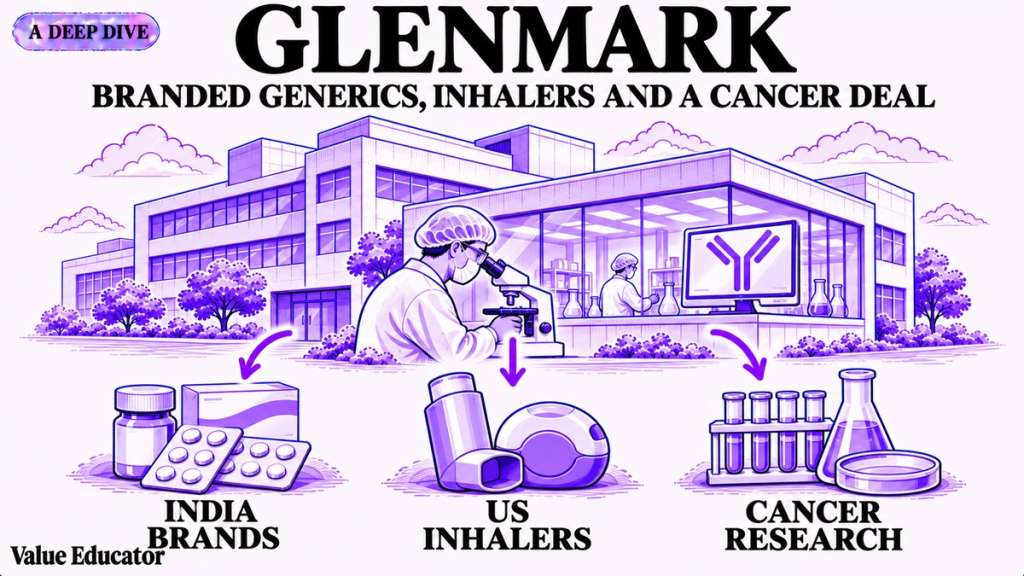
Glenmark: The USD 700 Mn Cancer Deal and Its Brands
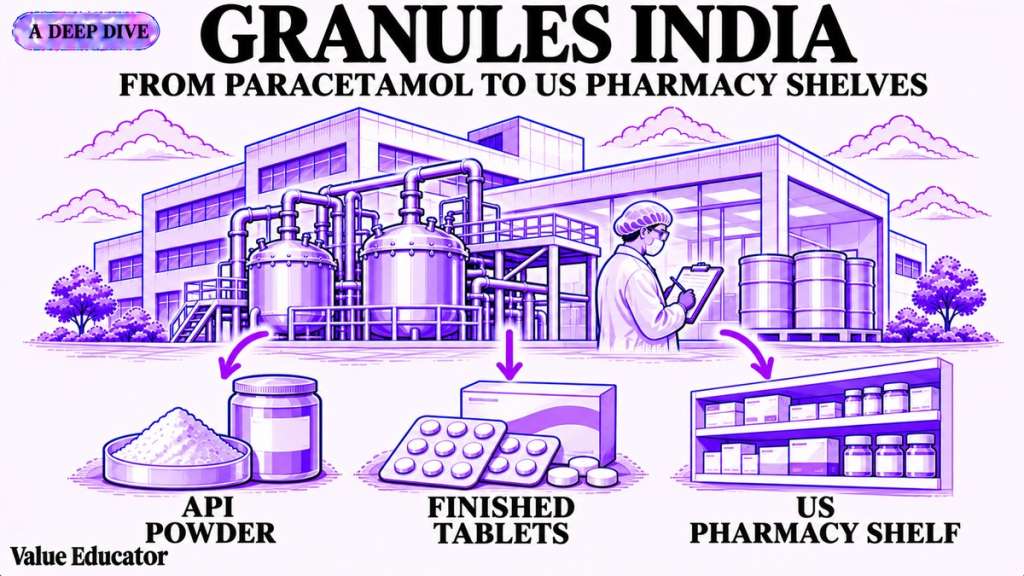
Granules India: From Paracetamol to a 65% Gross Margin
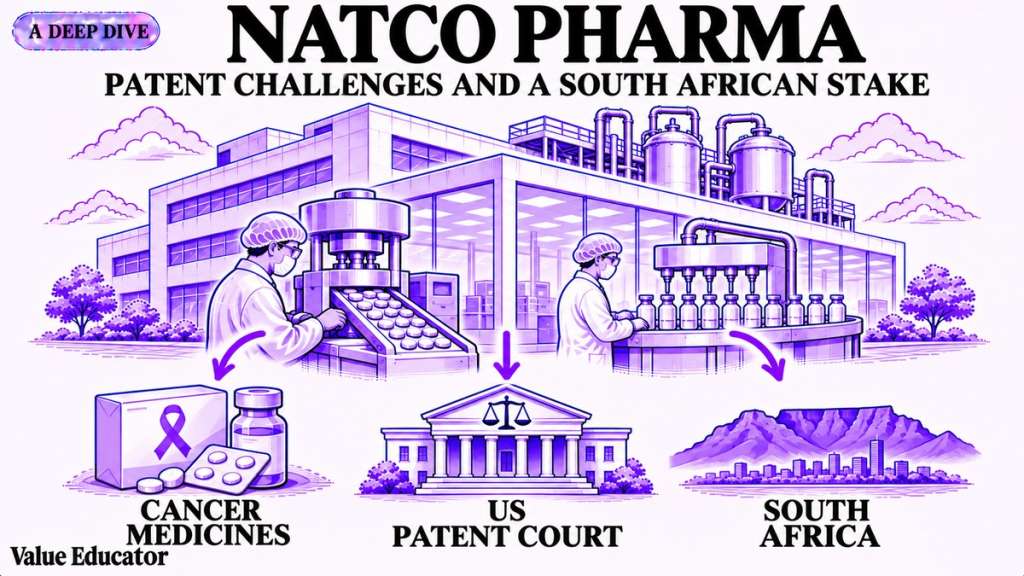
Natco Pharma: After Revlimid, 29 Patent Challenges
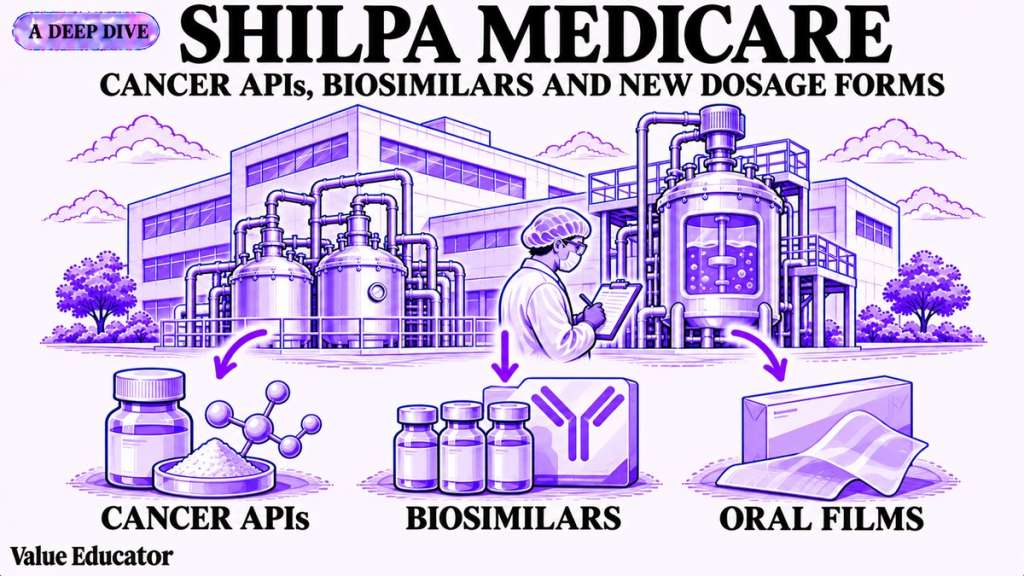
Shilpa Medicare: Cancer APIs, Films and Biosimilars
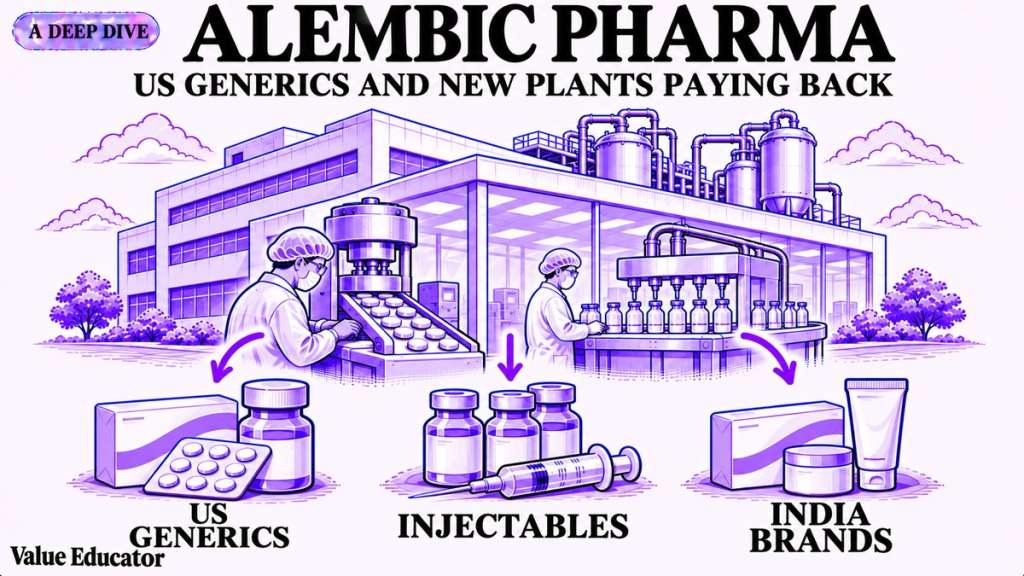
Alembic Pharma: US Plants Pay Back, Margin Hits 22.2%
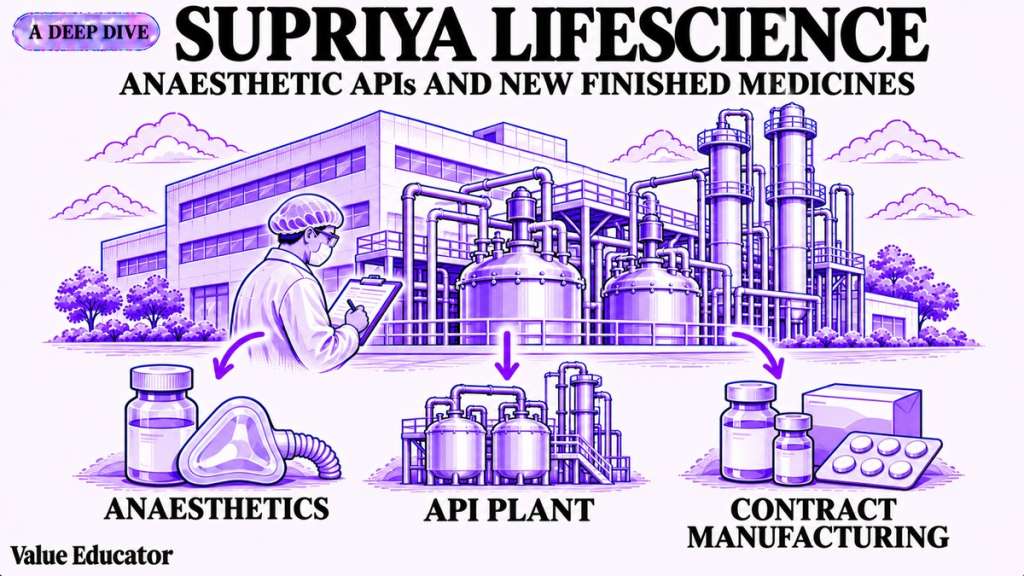
Supriya Lifescience: APIs, Ambernath and a 22% Margin
Explore our Products
Research Framework
Emerging Titans
Combination of quantitative analysis, industry tailwinds, and management assessment - SPRINT investment philosophy
Tiny Titans
Heavy emphasis on scuttlebutt research, plant visits, and early on-ground signals



Modern Warfare to Multibaggers
Key Trends. Strategic Shifts. Opportunities Ahead.
Don't Miss This Exclusive Webinar!
Join Value Educator to decode the key trends shaping India's defence sector and learn how to identify tomorrow's potential leaders in the space.
- In-depth research on India's defence sector
- Live Q&A session
- Actionable takeaways for long-term investors

 Orders
 Subscription
 Share with friends


Required Details
₹23999.00
(12 month subscription)
As per SEBI regulations, all users are mandated to complete the KYC that is validated for 1 year. Post payment, you will be redirected to the KYC screen


No comments yet. Be the first to comment!