
BESS Stocks in India 2026: Battery Storage Value Chain
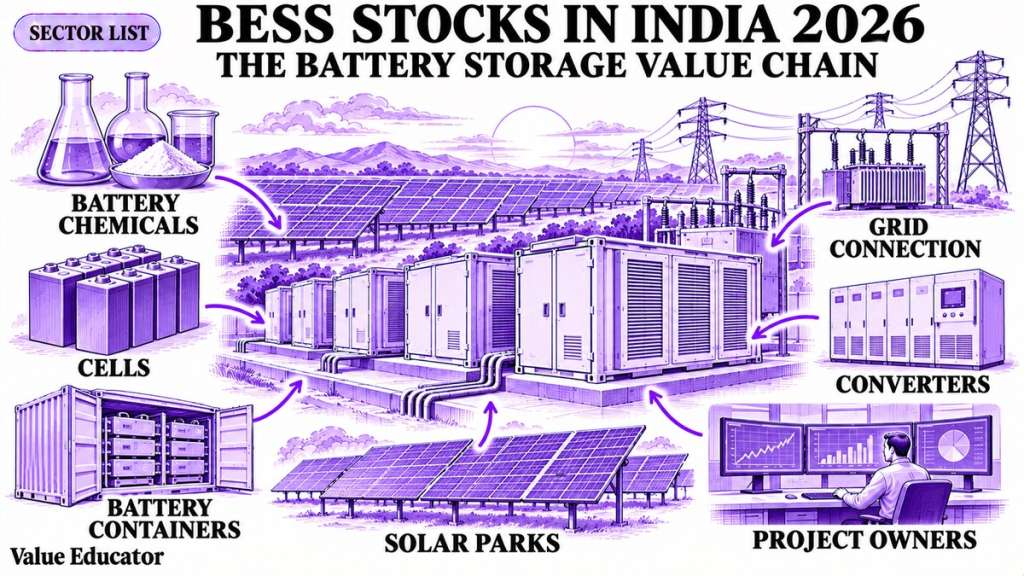
On 21 May 2026, India met an all-time peak power demand of 270.82 GW at 3:45 in the afternoon, while the sun was still up. A few months later, about 1,462 million units of solar power were cut back in July and August because the grid could not use them at noon. Both problems have the same answer: store the power when it is cheap and plentiful, and release it when it is needed.
That is the job of a battery energy storage system, or BESS. India had about 10.2 GWh of grid batteries in operation at the end of September 2026, and India's Central Electricity Authority expects the country to need about 236 GWh by 2031-32. This page lists the listed companies along the battery-storage chain, from battery chemicals to the companies that own the projects, with what each one is building. Where we have studied a company in depth, the row links to our full research.
Figures as of 13 November 2026. This page is research, not a recommendation to buy or sell any stock.
BESS Stocks in India at a Glance
These are the companies with a battery-storage business that we have researched in depth.
| Company | Where it sits | Its battery-storage business | Latest milestone |
|---|---|---|---|
| SPML Infra | Builds projects | Battery projects with Energy Vault as technology partner | ₹1,128 Cr NTPC order for a 250 MW / 1,000 MWh battery at Barauni, Bihar (May 2026) |
| Waaree Energies | Battery systems | Battery containers through Waaree Energy Storage Solutions | 5.15 GWh container plant at Rola, Gujarat, in production (Jul 2026); first step of a 20 GWh plan |
| Godawari Power and Ispat (GPIL) | Battery systems | BESS plant through Godawari New Energy | 20 GWh first phase in Maharashtra, with a second phase to 40 GWh planned |
| Quality Power | Power conversion | Battery-storage converters through its 51%-owned Endoks | Converter is about 12% of a storage project's cost, on the company's numbers |
| Atlanta Electricals | Grid equipment | Inverter-duty transformers for solar, storage and EV charging | New plant of about 5,000 MVA, aimed to start before the end of 2026 |
| JSW Energy | Owns projects | Battery projects that sell storage to utilities | 3.2 GWh battery-storage portfolio |
The BESS Value Chain
A battery storage project passes through six sets of hands. Each one earns money in a different way.
- Chemicals: the materials inside a cell, such as cathode and anode powders and electrolyte.
- Cells: the basic battery units. China made over 80% of the world's battery cells in 2025.
- Battery systems: cells packed into containers with cooling, safety and control systems.
- Power conversion and grid equipment: converters, transformers and switchgear that connect the battery to the grid.
- Builders: the companies that design, install and commission the project.
- Owners and users: the companies that own the project and sell its storage, and the utilities that use it.
Other Listed Companies in Battery Storage
These companies are building a battery-storage business but are not yet covered in our in-depth research. The figures come from their own filings and calls.
| Company | Where it sits | What it is doing |
|---|---|---|
| Himadri Speciality Chemical | Chemicals | First anode-material plant (200 tonnes a year) started in April 2026; building a 40,000-tonne LFP cathode plant |
| Exide Industries | Cells | Started the first 6 GWh phase of its Bengaluru cell plant in September 2026 |
| Amara Raja Energy & Mobility | Cells, battery systems | Expects its 10 GWh BESS facility to start operations in Q3 FY27 |
| Ola Electric | Cells | Says it has installed 2.5 GWh of cell capacity |
| Pace Digitek | Battery systems | Raised its BESS line to 5 GWh in August 2026 |
| Reliance Industries | Cells, battery systems | Jamnagar battery factory starting with BESS assembly, cells later |
| Adani Green Energy | Owns projects | 6.63 GWh of batteries at Khavda by September 2026 |
| ACME Solar | Owns projects | About 4.3 GWh of batteries after September 2026 |
| Oriana Power | Owns projects | Two MSEDCL awards in September 2026 for 900 MW / 1,800 MWh |
Why BESS Stocks Are in Focus
Storage has become far cheaper. The Ministry of Power told Parliament in December 2025 that the cost of battery storage discovered in tenders fell from about ₹10.18 per unit in 2022-23 to about ₹2.1 per unit. Globally, battery packs for stationary storage averaged about USD 70 per kWh in 2025, the cheapest segment for the first time.
Solar power is being wasted at noon. About 1,462 million units of solar power were cut back in July and August 2026. Batteries charged at noon can deliver that power later in the day instead.
The government is paying part of the cost. In June 2025, the Ministry of Power set aside ₹5,400 Cr of viability-gap funding for 30 GWh of standalone battery storage, about ₹18 lakh per MWh.
Tenders are moving to longer batteries. In April to September 2026, India tendered 12.2 GW of storage and awarded 7.8 GW. Four-hour batteries made up 40% of the tenders, ahead of two-hour batteries at 37%, which means more MWh for every MW.
How to Read a BESS Company's Numbers
- MW or MWh? MW is how much power a battery can deliver at once; MWh is how much energy it stores. A 250 MW / 1,000 MWh battery can deliver 250 MW for four hours.
- Announced or operating? Many plants and projects are plans. India had about 10.2 GWh in operation at the end of September 2026, a small share of what has been awarded.
- Who makes the cells? Most Indian battery systems still use imported cells. A company that makes its own cells, or has a secure supply, carries less supply risk.
- What tariff did it win at? Projects are usually paid a fixed amount per MW per month. A very low bid can leave little margin.
- Who pays? State utilities can pay late. Central buyers such as NTPC and SECI usually pay faster.
Key Risks for BESS Stocks
- Dependence on China: most cells and battery materials come from China, and export rules can change.
- Aggressive bids: 57% of the storage capacity tendered in September 2026 was tendered again, with authorities citing bids far from their benchmarks.
- Execution: NTPC's 200 MW / 400 MWh battery contract at Mouda was ended in September 2026 and tendered again.
- Slow cell plants: under the government's cell incentive scheme, only one 1.4 GWh plant was running by May 2026, against 40 GWh awarded.
- Safety: battery fires are rare but serious. A fire in January 2025 at the Moss Landing battery site in California led to the evacuation of about 1,200 residents.
Explore our Products
Research Framework

Emerging Titans
Combination of quantitative analysis, industry tailwinds, and management assessment - SPRINT investment philosophy

Tiny Titans
Heavy emphasis on scuttlebutt research, plant visits, and early on-ground signals
Conclusion
Battery storage is moving from pilot projects to a large part of India's power plan, helped by a steep fall in costs and government support. But most of the capacity is still on paper, and the chain still depends on imported cells. Use the tables above to see where each company sits, then read our research on each one for its plans, orders and risks.
FAQs
What are BESS stocks?
+BESS stocks are listed companies that earn money from battery energy storage: making battery materials, cells or containers, supplying converters and transformers, building projects, or owning them. The tables on this page list the ones we track.
Which companies make battery storage systems in India?
+Waaree Energies, Godawari Power and Ispat, Amara Raja, Pace Digitek and Reliance are among the listed companies building battery-storage system capacity. Exide, Amara Raja and Ola Electric are building cell plants.
How much battery storage does India have?
+India had about 10.2 GWh of grid battery storage in operation at the end of September 2026. India's Central Electricity Authority expects the country to need about 236 GWh by 2031-32.
Why is battery storage needed for solar power?
+Solar power is produced only in daylight, and on some days the grid cannot use all of it at noon. Batteries store that surplus and release it later in the day, so less solar power is wasted.
What is the difference between MW and MWh in a BESS project?
+MW is the power a battery can deliver at once, and MWh is the energy it holds. A 250 MW / 1,000 MWh battery can deliver 250 MW for four hours.
What are the main risks for battery storage companies?
+Dependence on Chinese cells, very low winning bids, project delays, slow progress in Indian cell plants, and fire safety are the main risks.

High growth stock specialist, Value Educator
Shashank Mahajan is an equity research professional with over 12 years of experience in identifying high-potential SME and micro-cap stocks at an early stage. He follows a rigorous scuttlebutt research–driven approach, combining on-ground insights with deep financial analysis. Shashank specializes in uncovering under-researched and under-owned companies with strong management quality and long-term growth potential. Through disciplined research and early identification, he focuses on spotting tomorrow’s market leaders before they enter the mainstream investor radar.
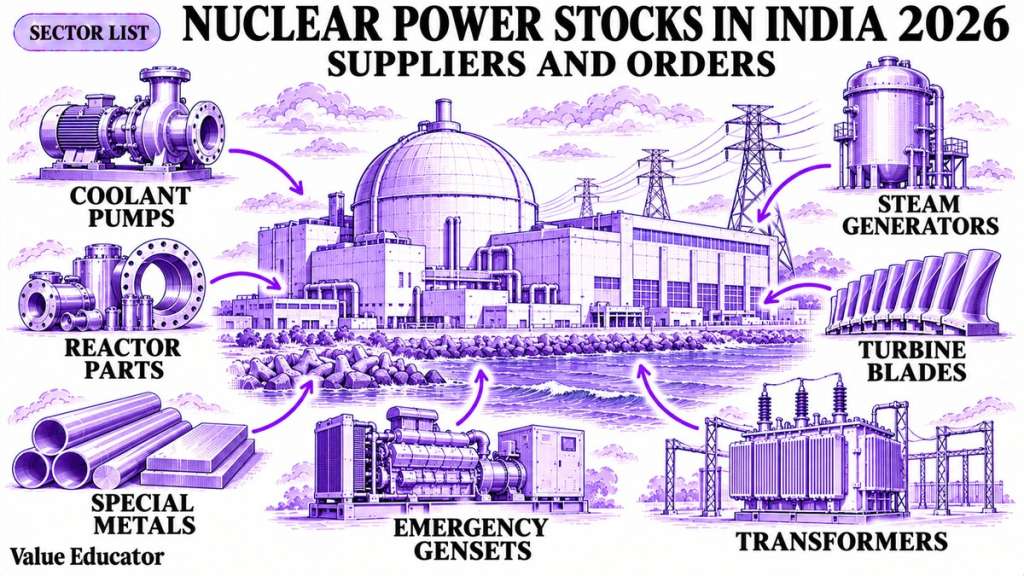
Nuclear Power Stocks in India 2026: Suppliers and Orders
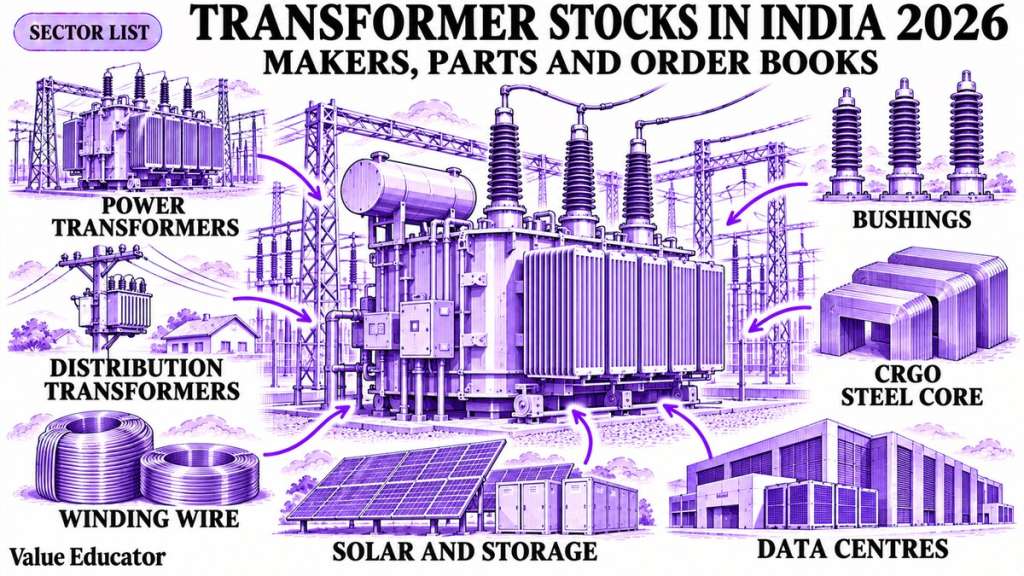
Transformer Stocks in India 2026: Makers and Order Books

RACL Geartech: Gears for KTM, BMW and Royal Enfield

Transrail Lighting: A Line Builder With Its Own Tower Plants

Skipper Limited: A Tower Maker With ₹10,066 Cr of Orders
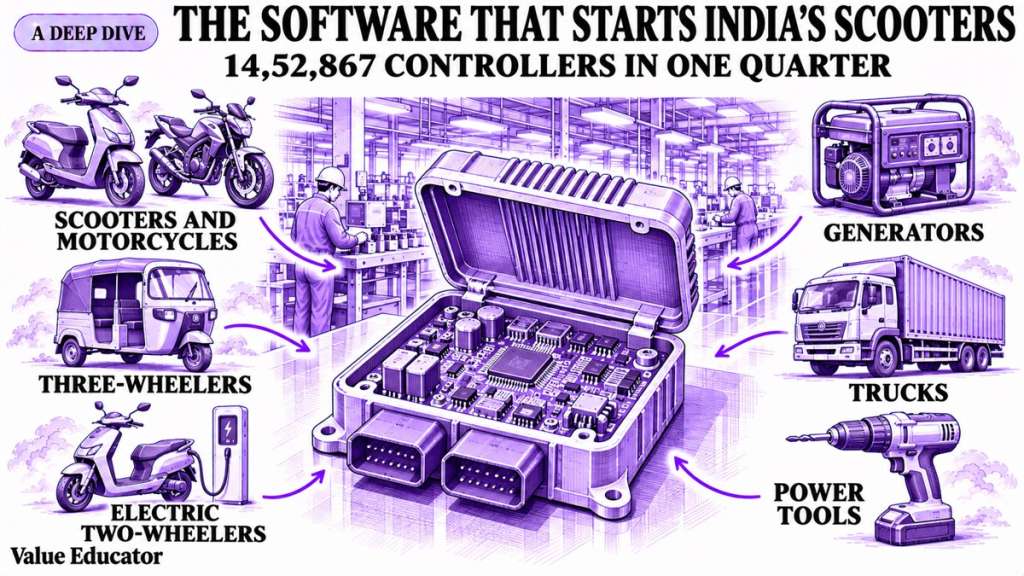
Sedemac Mechatronics: 1.45 Million Controllers a Quarter
Explore our Products
Research Framework
Emerging Titans
Combination of quantitative analysis, industry tailwinds, and management assessment - SPRINT investment philosophy
Tiny Titans
Heavy emphasis on scuttlebutt research, plant visits, and early on-ground signals



Modern Warfare to Multibaggers
Key Trends. Strategic Shifts. Opportunities Ahead.
Don't Miss This Exclusive Webinar!
Join Value Educator to decode the key trends shaping India's defence sector and learn how to identify tomorrow's potential leaders in the space.
- In-depth research on India's defence sector
- Live Q&A session
- Actionable takeaways for long-term investors

 Orders
 Subscription
 Share with friends


Required Details
₹23999.00
(12 month subscription)
As per SEBI regulations, all users are mandated to complete the KYC that is validated for 1 year. Post payment, you will be redirected to the KYC screen


No comments yet. Be the first to comment!