
Top Multibaggers of the Last 10 Years

Every investor dreams of finding that one stock that quietly compounds into a multibagger — a company that looks ordinary in the beginning, but steadily strengthens its business, scales operations, and creates disproportionate long-term wealth.
India Has Seen Many Such Stories
Multibaggers are not rare miracles. They don’t appear overnight — they evolve quietly in the background, often long before the market pays attention. India has seen several such stories, where patient investors benefited not from excitement, but from discipline, business quality, and endurance.
The term “multibagger” was coined by Peter Lynch in One Up On Wall Street, inspired by baseball scoring — where every additional base is a “bagger.” A stock that doubles is a two-bagger; one that grows ten-fold becomes a ten-bagger — the kind of wealth-creating journey most investors aspire to identify early.
And Today’s Article Looks at One Such Quiet Multibagger:
For decades, it operated inside a large conglomerate, largely unnoticed by the market. There was no spotlight, no excitement, just steady execution and capability-building in the background.
It began as a small workshop supplying basic components to textile and chemical mills, and spent years inside the Arvind Group quietly mastering pressure vessels, heat exchangers and heavy engineering.
Once it became independent, the trajectory changed. The business moved beyond routine fabrication into high-end engineered equipment used in refineries, petrochemicals, fertilizers, LNG and hydrogen projects.
What started as simple carbon-steel work evolved into handling tougher metals and building large, complex equipment that only a handful of manufacturers globally are trusted to make.
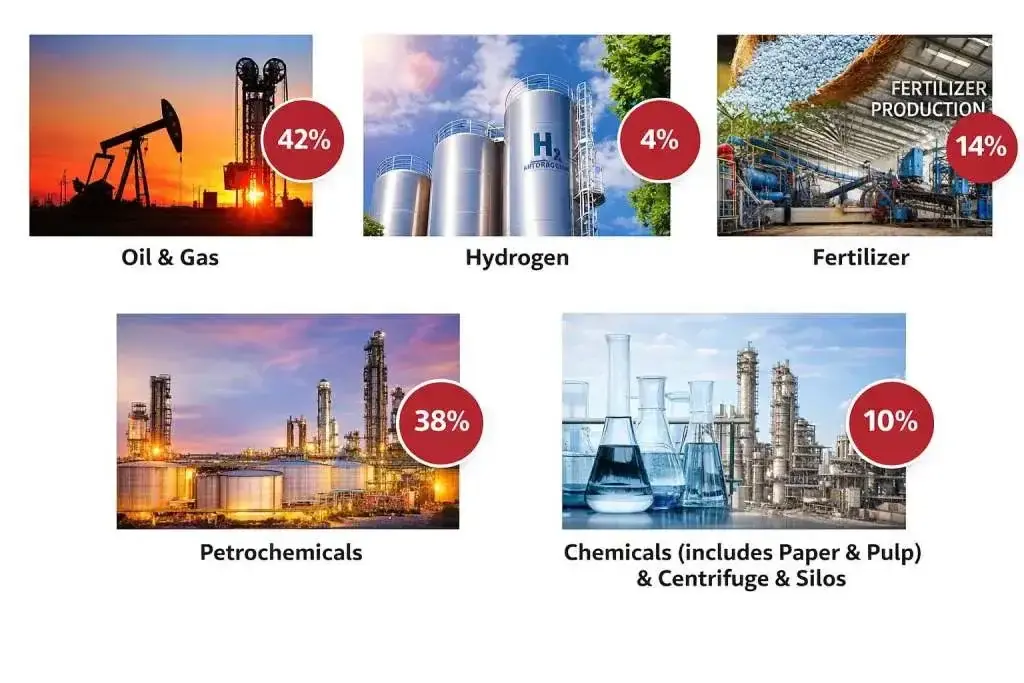
That shift reshaped its customer base. Today, Anup Engineering supplies to oil & gas, petrochemicals, hydrogen, power and leading global EPCs across the US, Middle East, Europe and Asia.
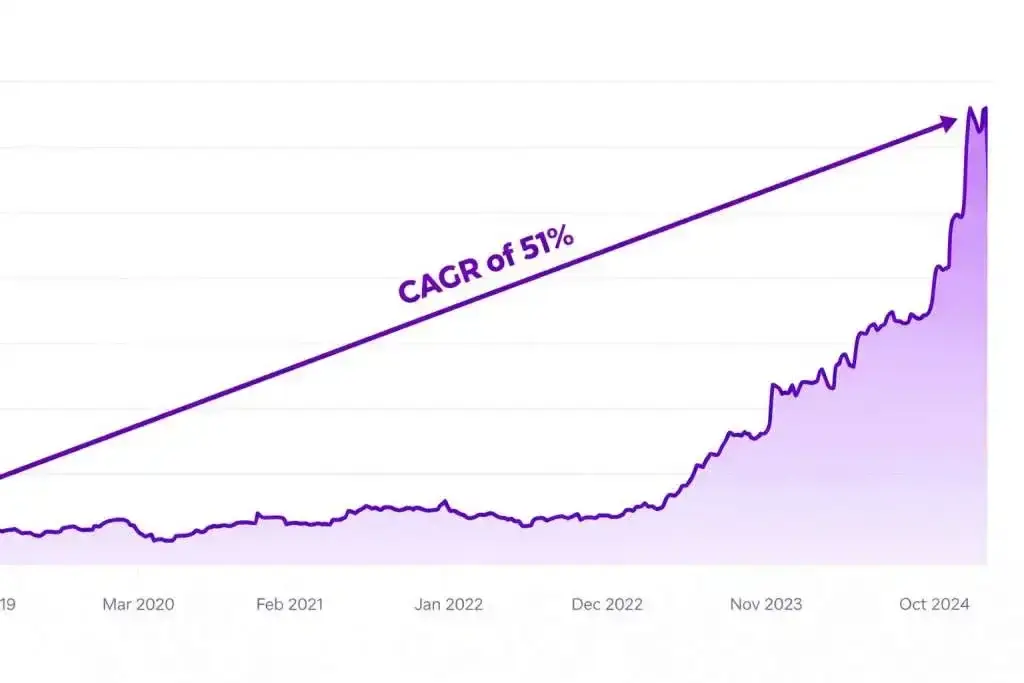
The stock has compounded at roughly 51% a year for six straight years, turning into a more than 13x wealth creator over this period.
That kind of consistency is rare.
And that kind of discipline behind it is even rarer.
“The big money is not in the buying or the selling, but in the waiting.”-Charlie Munger
Today, we break down how Anup went from what it was…
to what it has become a focused, capability-driven multibagger built brick by brick.
Despite operating in the engineering segment since 1962, the company struggled to meaningfully scale for many decades. The real transformation began around 2010, when leadership focus, execution discipline, and long-term strategy started to change.
From that point, the business gradually shifted toward higher-quality projects, stronger capital allocation, and tighter financial control. Over the years, this translated into better margins, healthier cash flows, and a much stronger balance sheet. Today, the company operates as a net-cash business, generating consistent operating cash flows and funding growth largely through internal accruals rather than debt.
Key financials of the company:
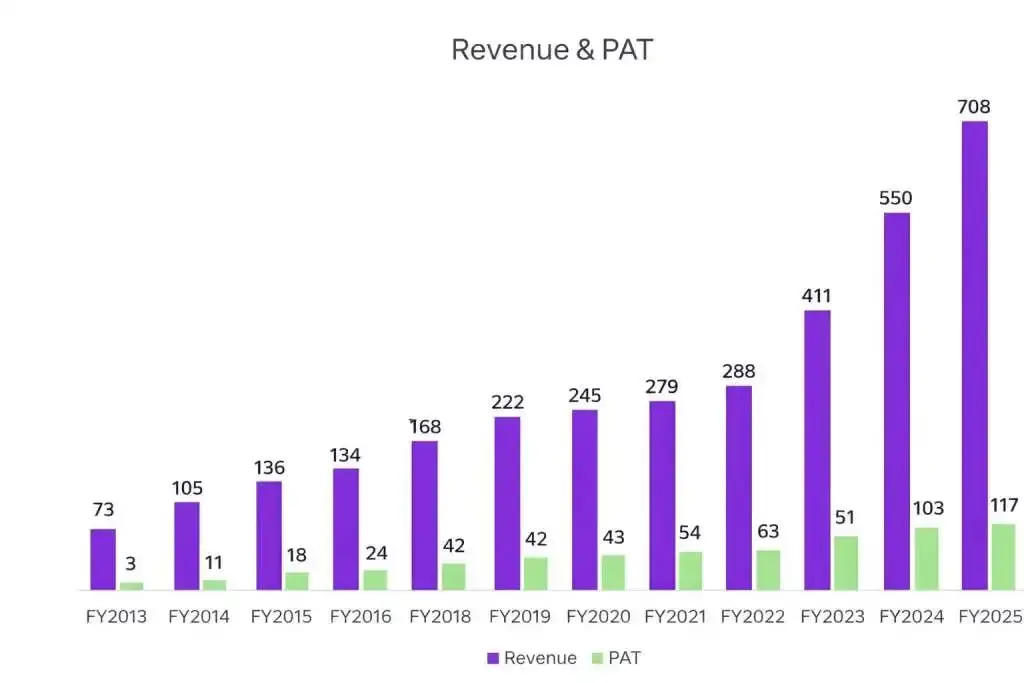
Anup’s revenue graph tells the story of a company steadily climbing the value chain. From ₹73 crore in FY13 to ₹708 crore in FY25, the growth has been consistent, with the real acceleration beginning once the demerger unlocked focused strategy and capex.
PAT followed the same upward trend, showing that profitability scaled along with size.
What stands out is that management had publicly set a long-term target of ₹1,000 crore by FY25. The company reached ₹708 crore, which is short of the headline goal, but the trajectory shows why: the mix shifted toward heavier, more engineered, longer-cycle equipment, which delays revenue recognition but builds a stronger business. The underlying trend still reflects a company moving toward that ₹1,000 crore mark with a structurally better margin and capability base.
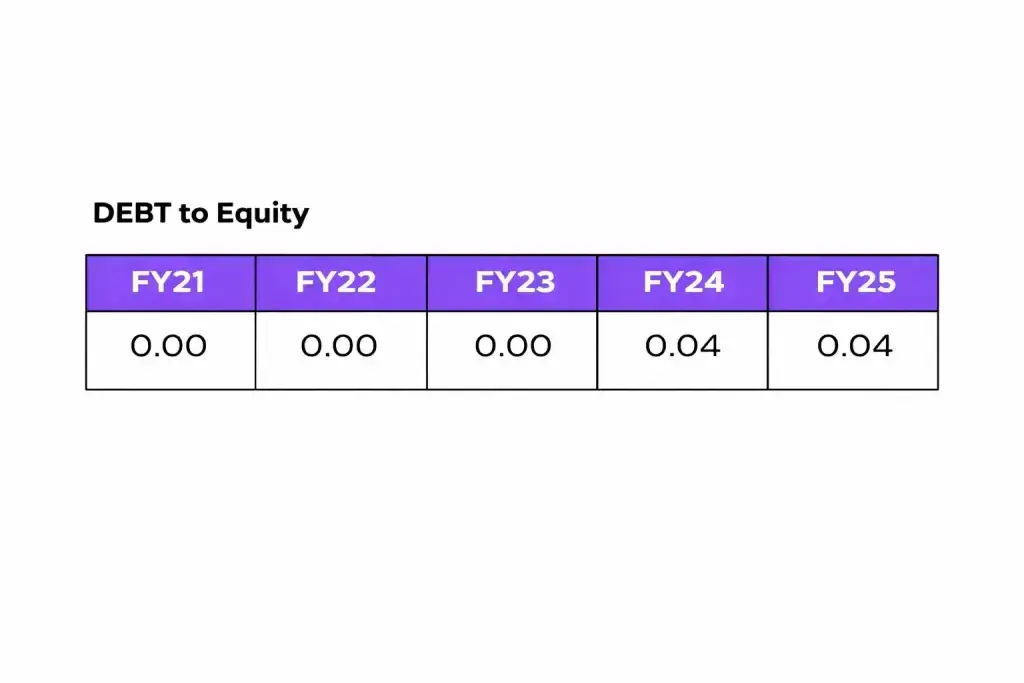
Anup’s debt-to-equity staying near zero for five straight years tells you everything about how the company thinks.
A clean balance sheet is not just a comfort — it is a competitive advantage in small and mid-caps. We cover why this matters in “What is Debt to Equity Ratio? Why it Matters for Small Cap Investing.”
Even while commissioning Kheda, expanding capacity 2.5x and entering hydrogen and high-complexity equipment, the business chose to grow almost entirely through internal accruals.
This discipline kept risk low, protected margins and gave management freedom to focus on capability-building instead of repayments. A near-debt-free balance sheet is one of the strongest foundations behind Anup’s long-term multibagger story.
Now, let’s go beyond the numbers and understand what really powered Anup’s rise.
Phase 1- The Quiet Rise of Anup Engineering
The Anup Engineering story goes back to 1962, when it began as a small Ahmedabad workshop supplying fabricated components to textile and chemical mills. Over the decades, the company kept moving steadily up the engineering value chain — from basic fabrication to centrifuges, pressure vessels, heat exchangers and tall columns used in refineries, petrochemicals and fertilizer plants. Instead of chasing aggressive growth, Anup compounded capability, improving precision, metallurgy handling and delivery reliability year after year.
Much of this evolution took place within the Arvind Group, where Anup built a reputation as a dependable process-equipment fabricator for domestic and global EPC customers. As the businesses within the group matured, the engineering vertical was eventually carved out and, in 2019, listed independently as The Anup Engineering Limited. The demerger did not create a new business — it unlocked an existing one, now backed by focused strategy, sharper capital allocation and a long-term vision to scale as a specialised engineered-equipment manufacturer with a global customer base.
Phase 2- The Capability Leap
When Anup became an independent entity, it did not need to rediscover its identity — the engineering capability was already deeply rooted. What changed was the discipline of operating as a focused, standalone business.
Process-equipment manufacturing doesn’t follow typical factory economics. Revenue is recognised only after inspection, approval and dispatch, which makes quarterly numbers volatile and execution quality visible only at the full-year level.
Despite this, the first standalone year showed clear momentum — operating revenue grew to ₹221 crore and margins improved from 26% to 29%, helped partly by incentives but more importantly by a rising share of export-led, high-complexity work.
Operating revenue grew about 10 percent to ₹221 crore, and margins improved from 26 percent in FY18 to 29 percent in FY19.
Around this time, the company initiated a ₹150-crore capacity and capability expansion plan, funded almost entirely through internal accruals. The objective was not to add volume, but to shift Anup from a dependable fabricator to a specialised engineered-equipment manufacturer.
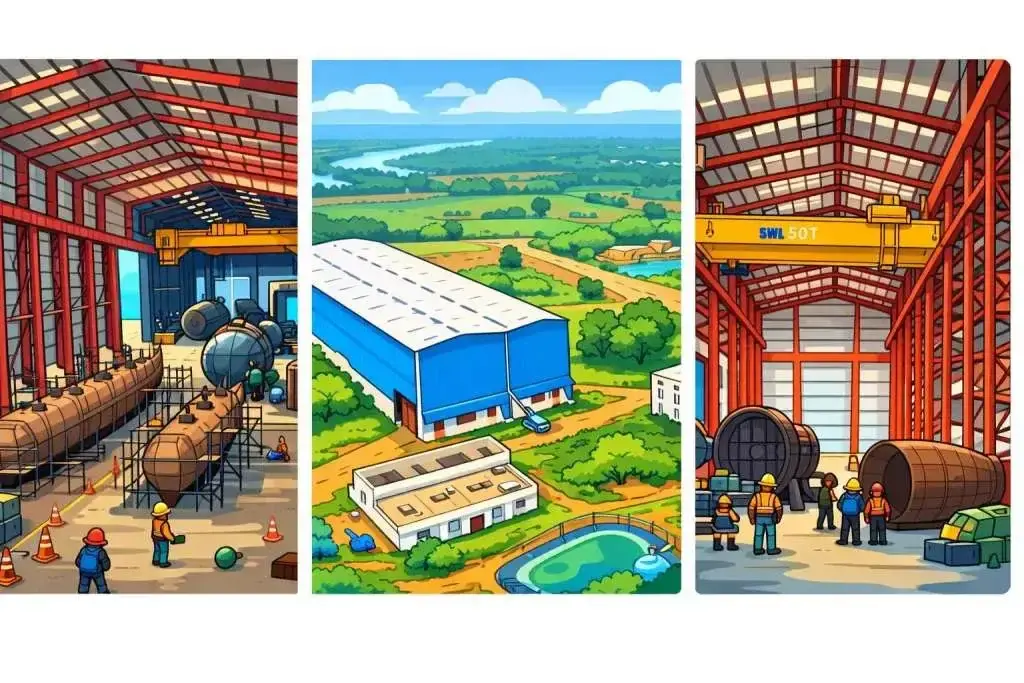
While the Odhav facility was strengthened, the real step-change came from the Kheda plant — built specifically for large, complex, high-metallurgy equipment typically handled by only a handful of global players.
A clean-room facility at Odhav further enhanced precision work in duplex steels, titanium and Inconel — metals used in severe-service environments where weld quality and process discipline are critical. Together, Kheda added scale while the clean room added precision — marking Anup’s transition into the high-end engineering league and positioning it closer to cryogenic and hydrogen-ready capability.
Management also articulated a medium-term ambition of reaching ₹1,000 crore in revenues — not as an aggressive projection, but aligned to industry tailwinds such as refinery upgrades, fertiliser expansion, LNG infrastructure and emerging hydrogen investments.
The company entered FY20 with an order book of ₹300 crore, almost double the prior year, dominated by shell-and-tube heat exchangers and high-specification engineered equipment supplied to leading global EPC players like Petrofac and Technip.
This shift was the result of years of capability building — advanced metallurgy handling, thicker-wall fabrication, and projects executed under global licensor standards. As a consequence, average equipment value rose from ~₹1 crore to ~₹2.7 crore, reflecting higher engineering intensity and stronger customer trust.
The pandemic temporarily disrupted inspections and dispatch schedules, but demand remained intact — no orders were cancelled or renegotiated. The challenge was execution timing rather than business viability. The company’s confidence was evident in its decision to maintain dividend payouts, signalling a strong balance sheet, cash-flow visibility and long-term conviction.
Key Breakthrough Orders During the Pandemic: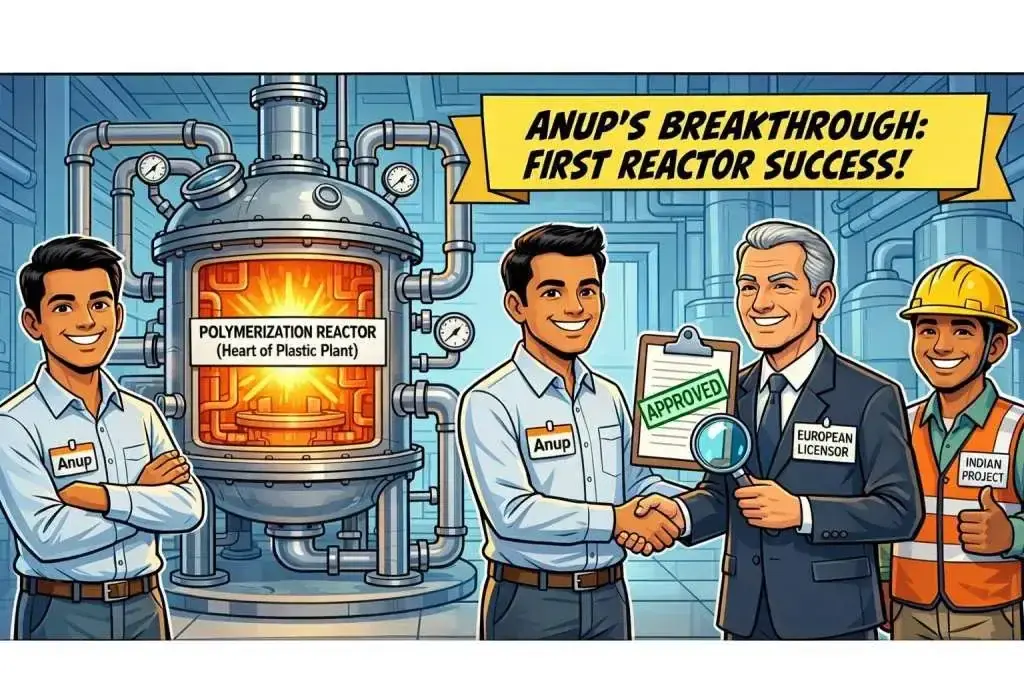
During this period, Anup achieved one of its most important capability milestones — securing approvals to work with Chrome-Moly and Super Duplex steels. These materials are used in high-pressure, high-temperature and corrosive environments such as refinery reactors, petrochemical units, hydrogen systems and fertilizer plants, where only a limited number of qualified global vendors operate.
These approvals were not routine certifications; they effectively moved the company into a higher engineering league. They enabled Anup to participate in larger, more complex, higher-value projects — resulting in fewer competing vendors, stronger customer trust and structurally better margin potential.
Alongside this, the company expanded its presence across South America, Europe and the Middle East — not through opportunistic orders, but through vendor-qualification wins earned via process discipline, documentation strength and delivery consistency.
By the time Anup entered FY22, it was operating meaningfully higher in the engineering value chain than when it was first listed — with deeper capability, stronger export relevance and a much clearer role in complex, high-specification equipment.
Phase 3- The Shift From Fabricator to Engineering Powerhouse
By FY23, Anup had clearly moved beyond the profile of a mid-sized fabricator. A record ₹537 crore order book and a ₹103 crore PSU-refinery project marked its entry into the top tier of engineered-equipment suppliers.
This phase was defined by a sharp capability upgrade. The company began executing complex jobs involving duplex steels, Inconel, titanium and other severe-service metallurgies — the kind used in units operating under extreme temperature and pressure. Only a small pool of global vendors qualify for this category, and Anup’s Odhav clean-room facility played a key role in meeting these precision and quality thresholds.
These capabilities also unlocked high-value applications in LNG and hydrogen, where equipment must withstand cryogenic temperatures and pressure shocks without failure. In parallel, the company strengthened its thick-wall fabrication capability — routinely working in the 50–80 mm range and scaling up to ~180–185 mm with cladding — a space where very few manufacturers globally can compete. This moved Anup into projects with higher technical entry barriers, fewer competing vendors and structurally superior margin potential.
1. Anup’s First Polymerisation Reactor: A True Capability Test.
The company delivered its first polymerisation reactor for an Indian project through a European process licensor — a category where vendor approvals are extremely stringent because even minor welding or metallurgical errors can fail the unit.
Clearing this audit reinforced Anup’s credibility in high-specification, mission-critical equipment.
2.A 200-Tonne Test of Strength
Around the same period, Anup manufactured a single-piece ~200-tonne unit using Chrome-Moly-Vanadium steel — the largest equipment in its history.
Handling such thickness, weight and metallurgical complexity placed the company in a small global peer set and signalled readiness for heavier, high-pressure projects.
3.The Global Validation Phase
Export momentum accelerated — not just in volume, but in the quality of customers. Names such as:
- Graham Corporation (US)
- Indorama
- ITT
- Air Products
entered the order book — organisations known for rigorous vendor audits and documentation standards.
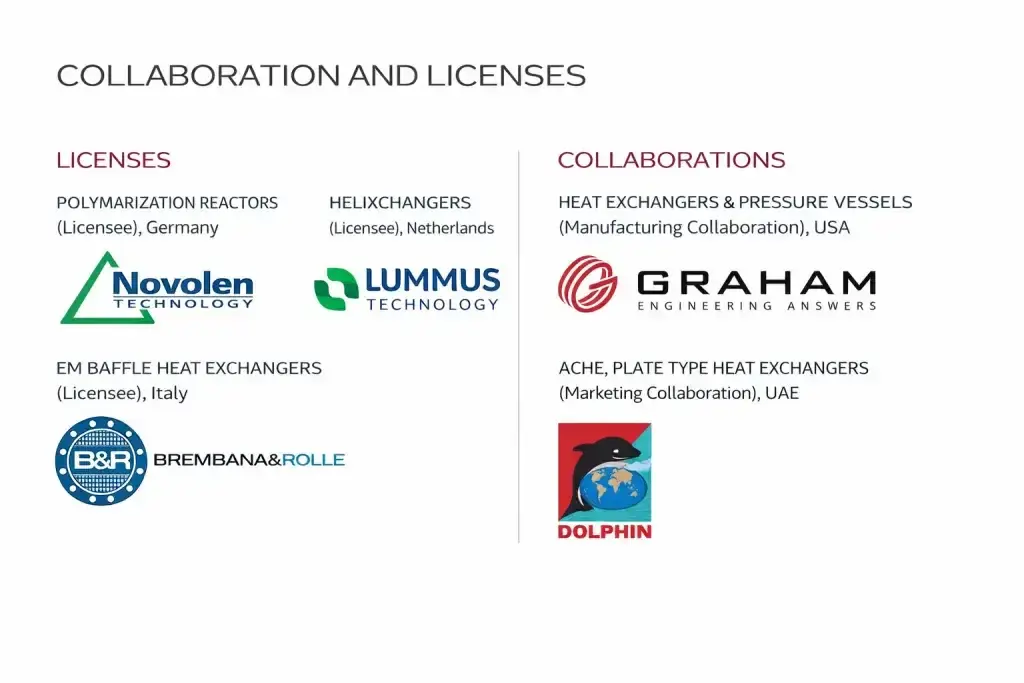
The inflexion point came when Graham elevated Anup to an exclusive manufacturing partner, offering first-right-of-refusal on select projects — a rare upgrade that reflects trust in metallurgy, weld quality, testing traceability, and delivery discipline.
4. Hydrogen quietly became one of Anup’s biggest breakthroughs.
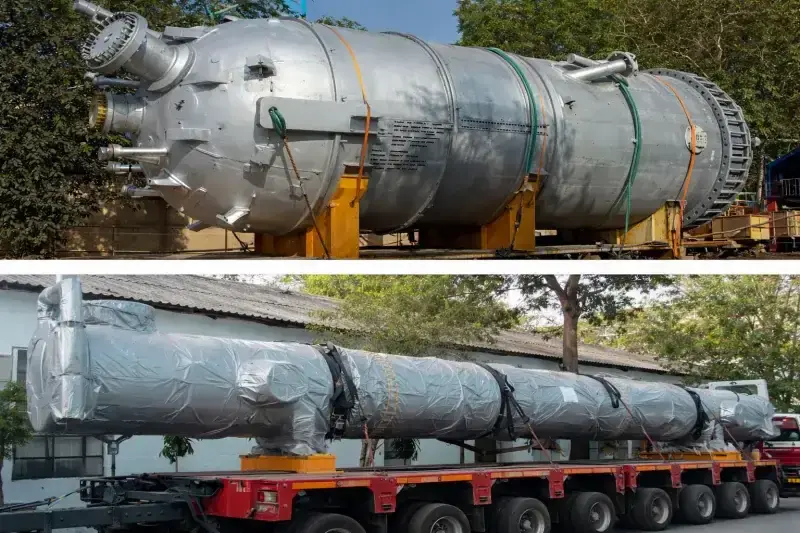
The world is now in the middle of a major energy shift, and hydrogen has moved from “Instead of chasing electrolyser manufacturing, Anup positioned itself where hydrogen projects require the highest engineering reliability, thick-wall vessels, high-pressure exchangers, and severe-service reactors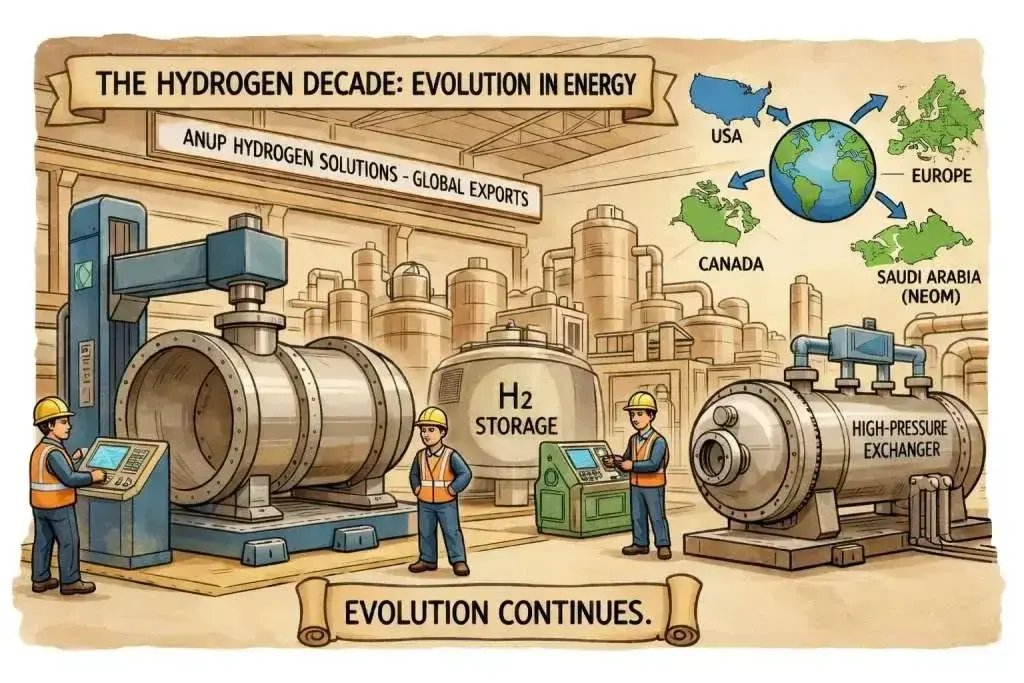 In hydrogen, failure risk sits inside the equipment, which is why only a limited number of global fabricators qualify.
As hydrogen capex accelerated across:
- the US & Canada
- Europe
- Middle East
Anup naturally integrated into project supply chains. The strongest validation came through participation in the NEOM green hydrogen project (with Air Products) — one of the world’s most demanding engineering benchmarks.
This alignment did three things:
Hydrogen is not a short-term narrative — it is a multi-cycle capex theme — and Anup entered it with the exact metallurgical and fabrication capability the industry is willing to pay a premium for.
HYDROGEN SERVICE EQUIPMENT
5. Acquired Mabel Engineers Pvt. Ltd. (Tamil Nadu)
They also acquired Mabel Engineers Pvt. Ltd. in Tamil Nadu, a move that added more depth to their fabrication capability and expanded the range of products they could offer. It wasn’t a scale-driven acquisition, but a strategic one meant to strengthen their technical bench and widen the kind of equipment Anup can now build.
Manufacturing Plant :
6. The Oil & Gas Capex Wave: What’s Driving It
Globally, oil & gas has entered its strongest capex cycle in years. Energy security, rising demand in developing markets, and the push for cleaner fuels are forcing companies to expand and upgrade infrastructure. That’s why the big money today is flowing into deepwater developments, LNG terminals, refinery upgrades, and large brownfield expansion programs. National oil giants like Saudi Aramco and ADNOC are leading this wave, announcing multi-billion-dollar plans to boost capacity and modernise their facilities.
For companies like Anup, this matters because every one of these projects needs heat exchangers, reactors, pressure vessels, cryogenic systems, and hydrogen-ready equipment. As the world rebuilds and upgrades its energy backbone, high-end fabricators aren’t just benefiting, they're becoming essential to this new capex cycle.
By this point, Anup wasn’t just fighting for market share in India. It was standing on a global stage, competing with fabricators from China, Mexico and Europe. Europe remained structurally expensive, China competitive but inconsistent on quality, and India still held a clear cost advantage even during tariff pressure.
That advantage became stronger because nearly 70 percent of Anup’s material sourcing was domestic, with forgings coming mainly from Korea and exotic grades selectively sourced from Europe. This supply strategy kept costs predictable and ensured the company wasn’t exposed to sudden trade shocks.
Even in the middle of tariff uncertainty, Anup managed to win a USD 1 million US order. It was a quiet but powerful confirmation that its competitiveness wasn’t dependent on price alone. The world’s toughest markets were choosing it for capability, not cost arbitrage.
What truly changed in this phase was Anup’s identity. The years of building deeper metallurgy capability, handling heavier and more complex equipment, increasing the share of engineered products, forging OEM partnerships and scaling capacity through Kheda all came together.
hese were no longer incremental improvements. They collectively pushed the company into a different league. Anup had clearly crossed the line from a “fabricator” to a full-fledged engineered-equipment partner.
The company now excelled in areas where most competitors struggle with equipment above 30 MT, severe-service metallurgy, high-pressure applications and precision-heavy designs. These categories naturally reduce competitor count because they demand capability, not just manpower. In contrast, the sub-30 MT segment is crowded with low-cost players, so Anup chose to focus squarely on high-barrier jobs where skill outweighs price.
Inorganic Growth Plans
Anup has started actively exploring acquisitions in three areas that fit naturally with its engineering DNA:
• Energy technologies
• Speciality chemicals
• Packaged process systems
These aren’t random expansions. They’re deliberate moves to add new capabilities, accelerate growth, and enter segments where customers value engineering depth over price.
New Verticals Starting to Take Shape
- Anup Technical Services
This is part of the company’s long-term strategy to build revenue that keeps coming every year.
They’ve already executed the first order, with two more in the pipeline, and the margin profile is strong 30 percent or higher. It gives Anup a steady, asset-light income stream while staying close to its core customers.
- Air-Cooled Heat Exchangers (ACHE)
These are becoming increasingly important in refineries and gas-processing units.
Anup has already quoted on three enquiries an early step toward adding another high-value product line.
- Strong Middle East Push
The Middle East is now a major strategic focus. The region is investing heavily in energy, petrochemicals and hydrogen, exactly the industries where Anup excels.
- They now count Saudi Aramco and ADNOC among key customers.
- Their first Aramco order is significant: 26 heat exchangers, scheduled for delivery in Q3 FY26.
- The company has set up an official presence in Dubai to stay closer to regional clients.
- A full-time Sales & Marketing head for Europe–Middle East (EME) is already stationed there.
Management expects strong traction from Aramco, ADNOC and the big EPC contractors in the region, a market where order sizes are large and the entry barriers are high.
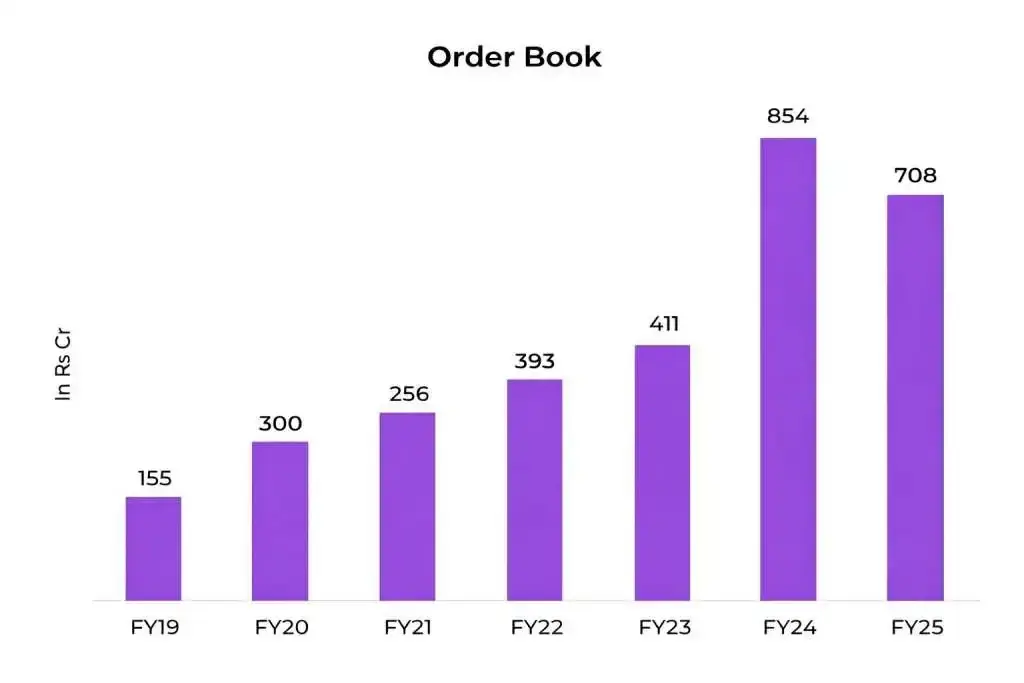
The order book shows a clear step-up in scale over time, rising from ₹155 crore in FY19 to a peak of ₹854 crore in FY24.
Q2FY26 sector wise revenue breakdown
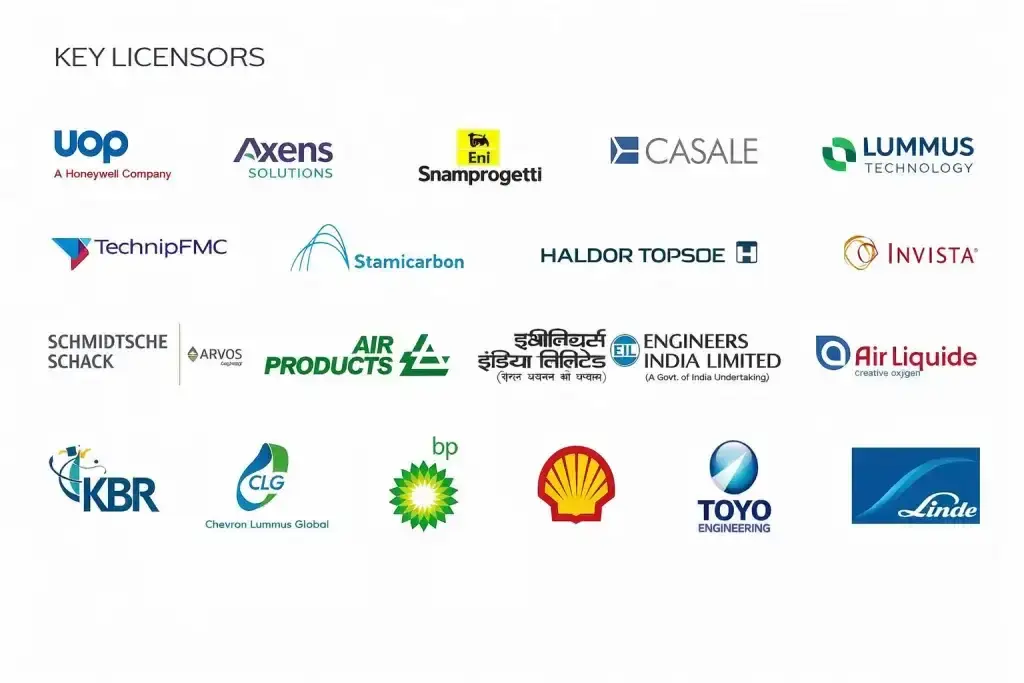
competitors
With this shift, Anup found itself placed among India’s top four players in complex process equipment, standing alongside giants like L&T Heavy Engineering and ISGEC, and also competing with niche heat-exchanger specialists like Tema India and Patel Airtemp. But unlike diversified capital-goods companies, Anup’s strength came from sharp focus. It wasn’t trying to be everything. It was trying to be the best at one thing, and it was succeeding.
This was the phase where Anup stopped looking like a scaled fabricator and started behaving like a precision-engineering partner trusted by global EPCs, licensors and energy players. The evolution was complete.
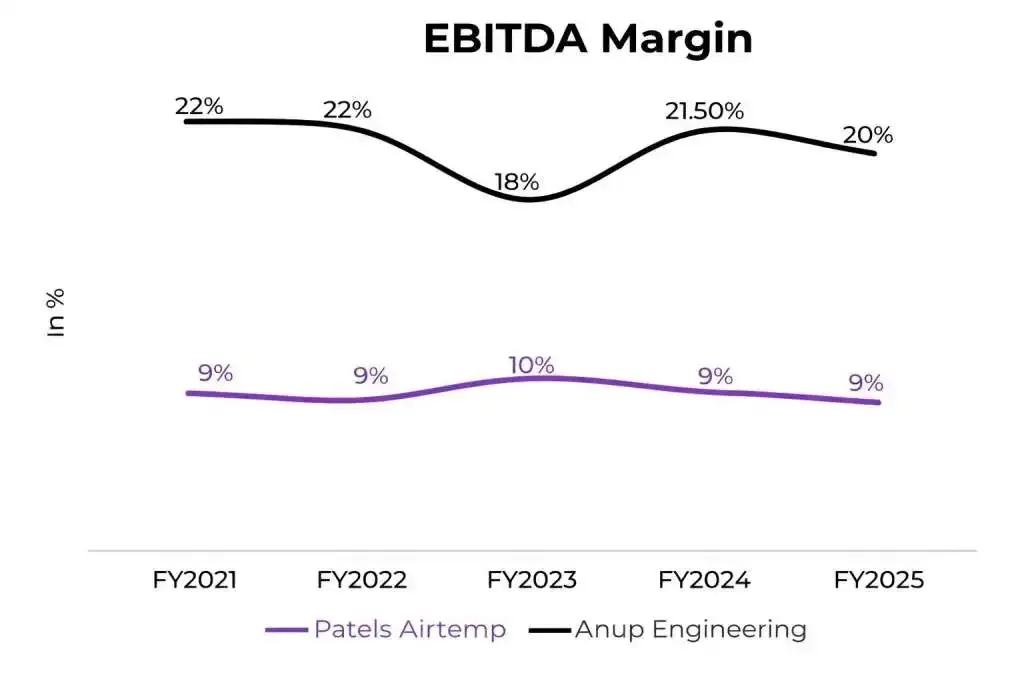
Anup’s EBITDA margins are structurally higher than peers such as Patels Airtemp, consistently remaining in the ~18–22 per cent range compared to ~9–10 per cent for peers. This margin premium reflects Anup’s positioning in high-complexity, engineered equipment rather than commoditised fabrication. The company operates in segments with higher entry barriers, limited qualified vendors, and greater pricing power.
Overall, the sustained margin gap highlights Anup’s stronger value addition, superior execution capability, and disciplined focus on high-specification projects.
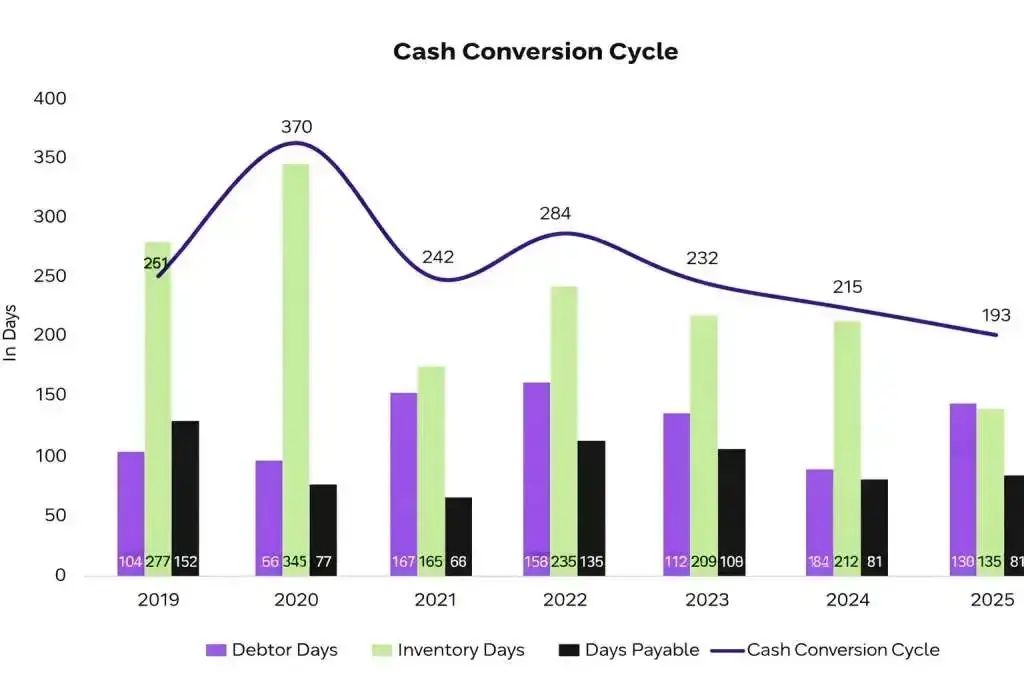
The cash-conversion cycle (CCC) shows a business that became far more efficient as it scaled. Inventory days spiked during the pandemic because material procurement and inspections were delayed, which pushed the CCC to its peak in FY20. As operations normalised and planning improved, both inventory and debtor days steadily tightened.
Payables became more stable, and by FY25 the CCC had dropped to 193 days, its best level in years. This trend reflects stronger execution discipline, smoother project scheduling and a shift toward larger, engineered equipment where customer payments are more structured and predictable. Overall, it shows a business learning to convert orders into cash faster as it matures.
This chart captures Anup’s steady transition from a largely domestic supplier to a company with a meaningful global footprint.
In the early years, domestic sales made up nearly 80–90 per cent of revenue.
As its capabilities in metallurgy, design and execution strengthened, export wins began coming through in sharp, step-like jumps. These weren’t small, incremental orders, but large, lumpy projects from the US, Middle East and Europe — typical of project-driven engineering businesses.
The result is visible in the numbers. Export contribution rose from around 10 per cent in FY13 to about 54 per cent in FY25.
This steady rise in export share aligns closely with management’s long-stated objective of a balanced 50:50 domestic–export mix. Given the trajectory and the nature of the order book, that target no longer looks aspirational — it looks well within reach.
This chart shows how Anup’s business mix has gradually broadened, even though heat exchangers still make up the bulk of revenue.
Earlier, the portfolio was heavily dominated by shell-and-tube exchangers, but over time the share of vessels, reactors and columns has been rising. That slow shift tells you something important: customers are trusting Anup with heavier, more complex, higher-value equipment.
The increasing contribution from other engineered products also reduces dependence on a single category and strengthens margins. The trend is moving in the same direction as the company’s strategy towards a more balanced, capability-led product mix rather than pure fabrication volume.
“You get exceptional results by doing ordinary things for an extraordinary length of time.”- Peter Lynch
1. Capability Compounds Faster Than Capital
Most companies scale by buying more machines.
Anup scaled by learning harder things:
Tougher metals,
Thicker plates,
Cleaner fabrication,
Cryogenic readiness,
Proprietary designs.
Capability is harder to copy than capacity.
That’s why Anup rose while many fabricators stayed stuck.
2. Focus Beats Diversification
Where competitors tried many products, Anup chose one identity:
“Build the most complex, high-pressure, high-thickness equipment.”
That single-minded focus pulled it into the global league.
3. A Clean Balance Sheet Gives You Freedom
While others diluted equity or took loans, Anup built everything through internal accruals.
No debt meant:
- No pressure during slowdowns,
- No compromise on long-term bets,
- Full control over expansion timing.
This is one of the biggest reasons the multibagger story stayed intact for six long years.
4. The Market Rewards Companies That Move Up the Value Chain
Early Anup competed with dozens of Indian fabricators.
Later Anup competed with only a handful globally.
Every step upward reduced competition and improved pricing power.
That’s how margins scale even before revenue scales.
5. Export Success Comes From Capability, Not Cost Advantage
India has many low-cost fabricators.But exports grew for Anup only after it earned global approvals for:
- Titanium,
- Inconel,
- Duplex steels,
- Cryogenic work,
- Thick-wall reactors,
- High-pressure hydrogen equipment.
Capability, not cheap labour - opened the Middle East, US, and Europe.
6. A Multibagger Is Built Long Before Its Stock Starts Running
By the time the market noticed Anup:
- Kheda was already built,
- Clean room was operational,
- Order book was global,
- Hydrogen capabilities were proven,
- Margins were stable,
- The balance sheet was flawless.
Every multibagger has a “quiet compounding phase” where the business transforms before the stock reacts.
Anup followed the same script.
7. Management Quality Matters More Than Narratives
Anup’s leadership:
- Avoided debt,
- Didn’t chase hype,
- Execution
- Focused on engineering depth,
- Built customer trust brick by brick,
- Executed consistently for a decade.
Good management turns a good business into a great one.
Great management turns it into a multibagger.
top-multibagger-stocks-last-10-years
Explore our Products
Research Framework

Emerging Titans
Combination of quantitative analysis, industry tailwinds, and management assessment - SPRINT investment philosophy

Tiny Titans
Heavy emphasis on scuttlebutt research, plant visits, and early on-ground signals
FAQs
What lessons from past multibagger stocks can be used to build a winning stock-picking strategy today?
+How do the patterns seen in past multibaggers guide us in selecting stocks for the next decade?
+Which stocks can be multibagger in the next 10 years?
+How should one study multibagger stocks?
+
High growth stock specialist, Value Educator
Shashank Mahajan is an equity research professional with over 12 years of experience in identifying high-potential SME and micro-cap stocks at an early stage. He follows a rigorous scuttlebutt research–driven approach, combining on-ground insights with deep financial analysis. Shashank specializes in uncovering under-researched and under-owned companies with strong management quality and long-term growth potential. Through disciplined research and early identification, he focuses on spotting tomorrow’s market leaders before they enter the mainstream investor radar.
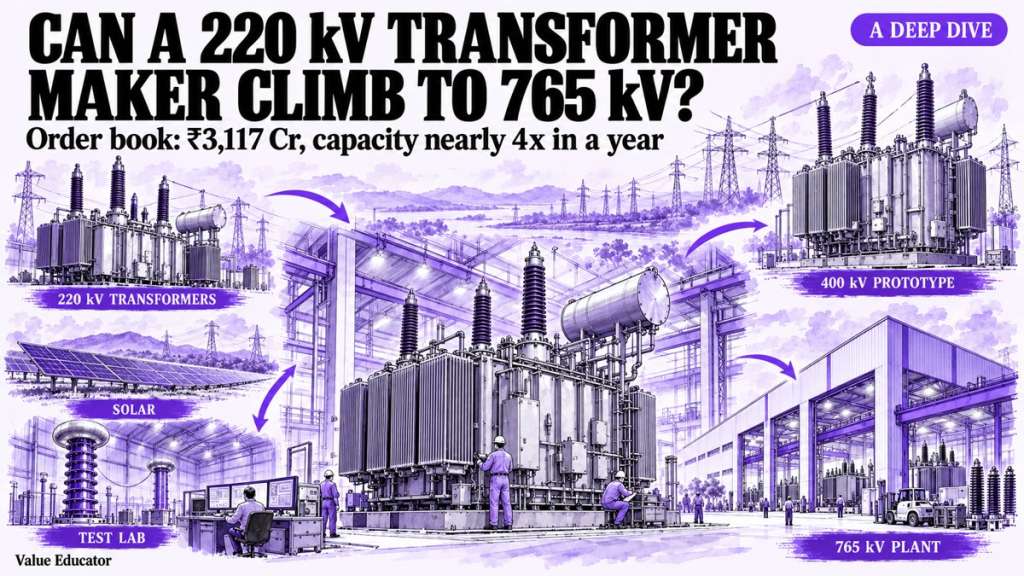
Atlanta Electricals: Capacity Nearly Quadrupled in a Year
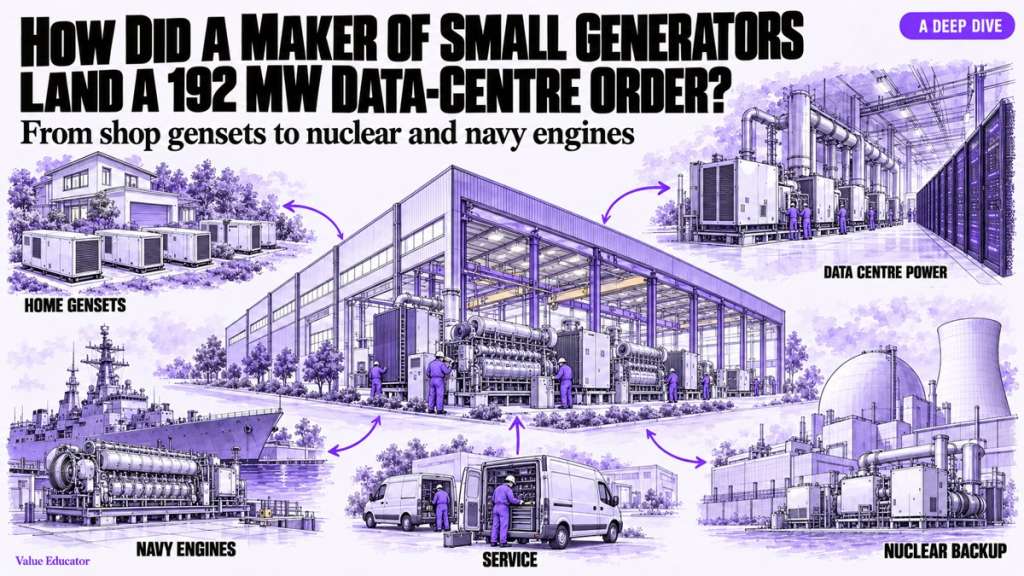
Kirloskar Oil Engines: Data Centres, Nuclear and the Navy
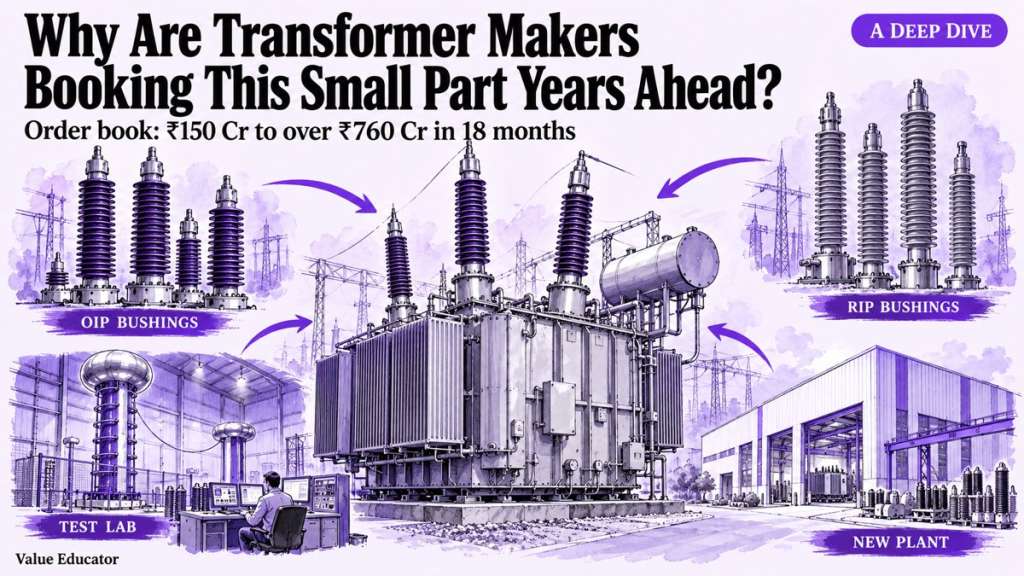
Yash Highvoltage: Bushing Maker With ₹760 Cr of Orders
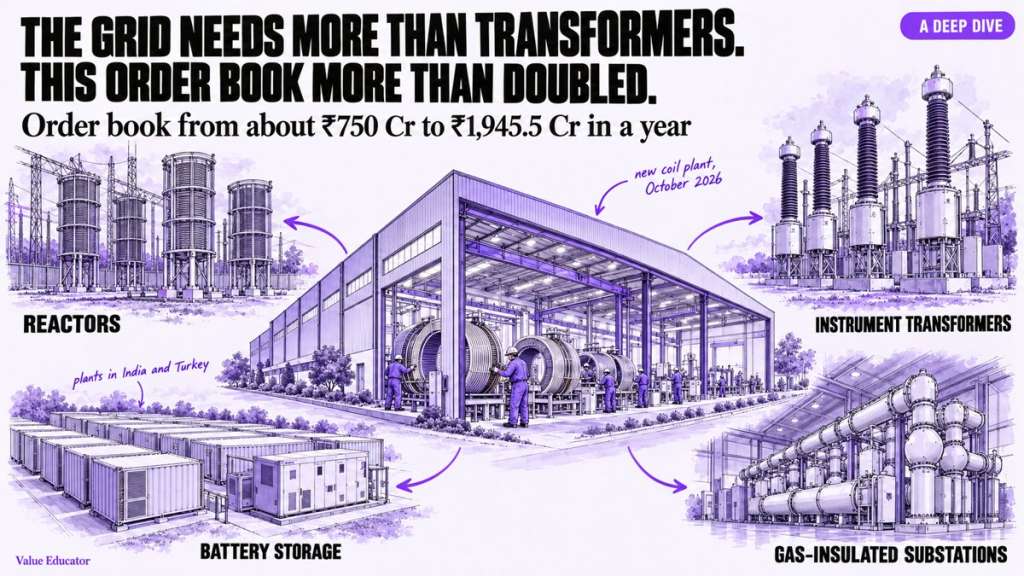
Quality Power: Reactor Maker With a ₹1,945.5 Cr Order Book
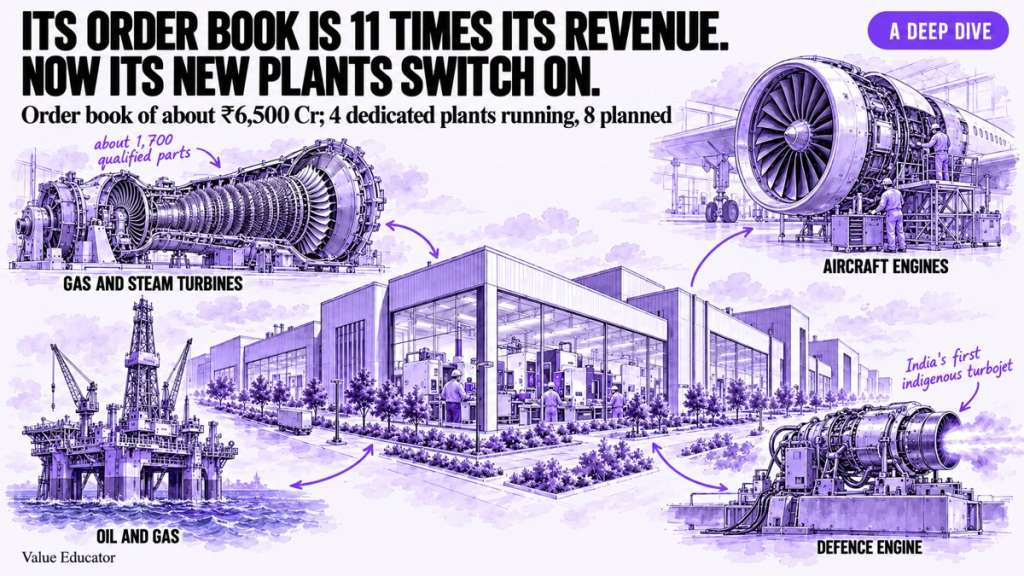
Azad Engineering: Turbine Blades, Jet Engines and Orders
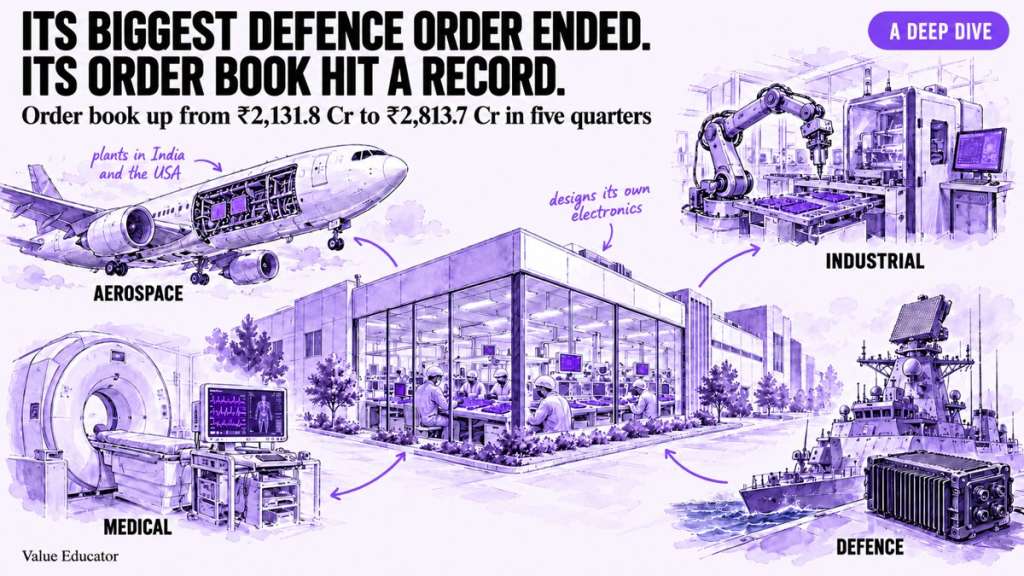
Cyient DLM: Aircraft Electronics and a Record Order Book
Explore our Products
Research Framework
Emerging Titans
Combination of quantitative analysis, industry tailwinds, and management assessment - SPRINT investment philosophy
Tiny Titans
Heavy emphasis on scuttlebutt research, plant visits, and early on-ground signals



Modern Warfare to Multibaggers
Key Trends. Strategic Shifts. Opportunities Ahead.
Don't Miss This Exclusive Webinar!
Join Value Educator to decode the key trends shaping India's defence sector and learn how to identify tomorrow's potential leaders in the space.
- In-depth research on India's defence sector
- Live Q&A session
- Actionable takeaways for long-term investors

 Orders
 Subscription
 Share with friends


Required Details
₹23999.00
(12 month subscription)
As per SEBI regulations, all users are mandated to complete the KYC that is validated for 1 year. Post payment, you will be redirected to the KYC screen


No comments yet. Be the first to comment!